
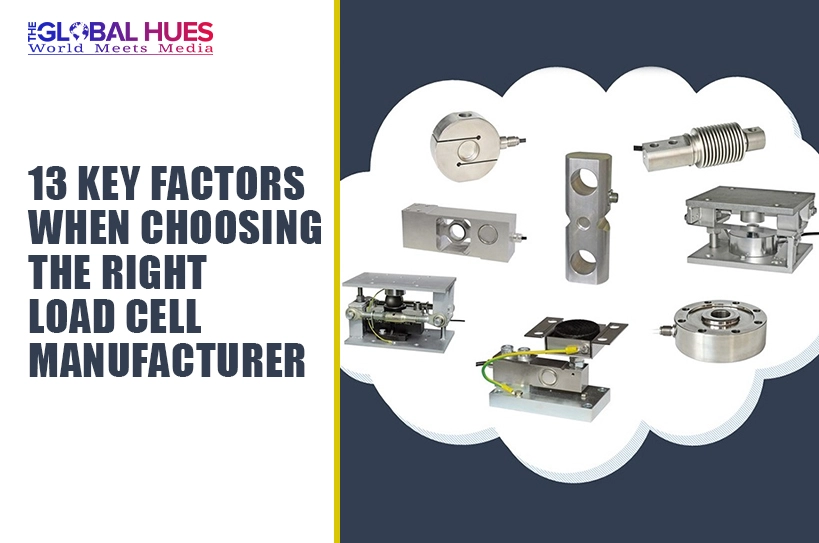
Choosing the right load cell manufacturer requires you to take several factors into account. Load cells are important components in many industries, ensuring that measurements are accurate and that systems perform optimally. Getting a reliable and efficient manufacturer right can be the key to every operation. This article examines 13 key factors to consider when making this decision.
1. Quality and Accuracy
Quality assurance is the most important factor for choosing a manufacturer of load cells. As load cells are the main equipment in the system, their precision and accuracy are crucial and directly related to the system’s reliability. Products manufactured under stringent quality control practices usually yield better results. You should find out which companies test their products consistently and remain certified.
2. Technological Innovation
Load cell performance can greatly benefit from innovative technology. Manufacturers who are dedicated to research and development often start to roll out newer technologies that improve their products. While shopping around, take a look at the level of innovation and solutions that potential vendors offer.
3. Customization Options
Different sectors often need tailor-made solutions for their specific purposes. Manufacturers should offer options to customize load cells to fit specific requirements. Customization allows for variations in size, material, or even special aspects that suit different types of equipment.
4. Experience and Expertise
Long-time players are more knowledgeable about customers’ needs and issues in their industry. They can offer tailored solutions based on their experience and expertise.
5. Reputation and Reliability
A manufacturer’s reputation speaks for itself when it comes to reliability. Looking at customer reviews and testimonials can help you evaluate their track record. Long-standing businesses that receive favorable reviews tend to offer reliable services.
6. Customer Support
Good customer support is important for customer satisfaction. Strong support services from manufacturers, including technical support and troubleshooting guidance, guarantee smooth sailing.
7. Supply Chain and Logistics
Delivering products at the right time and place and in the right quantity requires effective supply chain management. When manufacturers streamline logistics, they can seamlessly meet demand. Make sure you evaluate a company’s distribution network and capacity to handle large orders to avoid hiccups.
8. Cost and Value
While cost is a consideration, value holds greater importance. You should evaluate the total value of the services offered by the manufacturer. Keeping all of these elements in mind, make sure that they offer you optimum quality, features, and after-sales services.
9. Compliance and Standards
Compliance with regulations and industry standards is critically important. Manufacturers should adhere to national and international standards for quality and safety. The data should confirm their compliance and prove that their products meet those specifications.
10. Sustainability Practices
Manufacturing is a sector that is gradually focusing more on sustainability. Eco-friendly brands are those that promote and practice methods that are easier on the environment. You should find out about their initiatives, such as waste reduction, energy efficiency, and minimization of environmental impacts in line with wider sustainable objectives.
11. Innovation in Design
Good design innovation can improve functionality and experience. Manufacturers who prioritize the development of ergonomic and user-friendly products typically offer products that are easier to integrate and maintain.
12. Testing and Calibration
Load cells are tested and calibrated regularly to perform at their best. These testing services are primarily provided by manufacturers that have a full-fledged testing facility where they can test thousands of devices, which ensures accuracy and reliability. Look into their testing, calibration, and maintenance procedures to ensure their consistent performance for an extended period of time.
13. Partnership Opportunities
Looking for a manufacturer who can partner with you can be beneficial. This collaboration could involve sharing product development or new industry insights. Find companies that are willing to establish long-term connections to grow together.
Conclusion
Selecting the right load cell manufacturer requires careful consideration of factors such as quality, innovation, customer support, and sustainability. Evaluating these factors will allow businesses to identify a manufacturer that will best meet their needs while increasing the overall efficiency and reliability of the operation.
(DISCLAIMER: The information in this article does not necessarily reflect the views of The Global Hues. We make no representation or warranty of any kind, express or implied, regarding the accuracy, adequacy, validity, reliability, availability or completeness of any information in this article.)
Must Read:
- Last-Minute Mother’s Day Gifts You Can Order Online
- Creating a Hyper-Personalized Shopping Experience in Luxury Goods with Magento
- Boost Your Online Store with Effective eCommerce Marketing
- Buy Now, Pay Later: The Future of Flexible Shopping
- Taking Control Of Your Spending Habits