
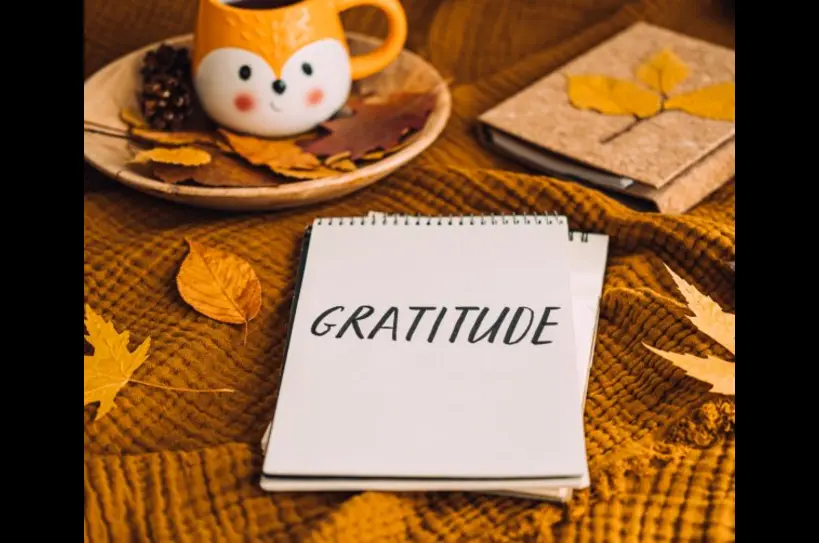
The Transformative Power of Gratitude
Gratitude is more than just saying thank you. It’s a mindset that helps you focus on what’s already good in your life instead of constantly reaching for what’s missing. When practiced consistently, gratitude can lift your mood, reduce stress, and give you a sense of perspective. It can even make challenges feel less overwhelming because it shifts your attention away from what’s lacking and toward what’s already working. Just as people sometimes seek debt relief to regain control and feel lighter about their finances, gratitude is a kind of emotional relief that clears away negativity and makes room for peace.
Start With the Small Things
Practicing gratitude doesn’t have to be grand or complicated. Often the most powerful moments come from appreciating small, everyday blessings. A warm cup of coffee in the morning, a text from a friend, or a walk in fresh air can all be reasons to feel thankful. By noticing and naming these little things, you train your mind to see abundance instead of scarcity. Over time, this habit creates a stronger sense of contentment and joy in daily life.
Journaling as a Gratitude Tool
Writing things down helps make gratitude more intentional. A gratitude journal doesn’t need to be fancy—it could be a simple notebook where you jot down three things you’re grateful for each day. The act of putting pen to paper reinforces positive feelings and provides a record you can revisit on tough days. Journaling makes gratitude less of a fleeting thought and more of a steady practice that grounds you.
Mindfulness in Daily Life
Being present is another way to cultivate gratitude. Often, we rush through the day without noticing the good things happening around us. Mindfulness slows you down so you can fully experience and appreciate them. Eating a meal without distractions, listening deeply to someone speak, or simply noticing the sunshine on your face are moments where gratitude naturally emerges. Mindfulness and gratitude go hand in hand, creating calm and clarity in your everyday routine.
Expressing Gratitude to Others
Gratitude grows stronger when shared. Telling someone you appreciate them not only boosts their mood but also deepens your connection. It doesn’t have to be dramatic—a simple thank you note, text message, or kind word can go a long way. Expressing gratitude outwardly strengthens relationships, reminds others of their value, and builds an atmosphere of kindness. The more you express it, the more it becomes part of your natural way of interacting with others.
Gratitude as a Perspective Shift
Life will always bring challenges, but gratitude offers a way to reframe them. Instead of focusing only on difficulties, gratitude encourages you to find lessons and silver linings. Losing a job, for example, may spark stress and uncertainty, but gratitude can highlight the support of loved ones or the chance to pursue a new direction. This doesn’t mean ignoring hardship—it means acknowledging it while also noticing the good that still exists alongside it.
Building Gratitude Into Habits
To make gratitude stick, it helps to attach it to existing habits. You could take a moment each night before bed to reflect on the day, or start your morning by listing one thing you’re thankful for. Pairing gratitude with routines like brushing your teeth or brewing coffee ensures it becomes a natural part of your life. The consistency transforms gratitude from a nice idea into a core habit that shapes your overall outlook.
The Long Term Benefits of Gratitude
Practicing gratitude daily isn’t just about feeling good in the moment. Over time, it can reduce anxiety, improve sleep, and increase resilience. Studies suggest that grateful people tend to experience greater life satisfaction and stronger relationships. Gratitude also makes it easier to appreciate progress, no matter how small, which fuels motivation for personal growth. The more you practice, the more you realize that gratitude is less about circumstances and more about perspective.
Final Thoughts
Practicing gratitude for what you have doesn’t require wealth, perfect health, or ideal circumstances. It’s a mindset shift that allows you to see value in both the big and small parts of life. By starting with the little things, journaling, being mindful, and expressing thanks to others, you create a daily rhythm of gratitude. Over time, this rhythm strengthens your mental well-being, helps you handle challenges with more grace, and brings deeper joy. Gratitude is not about ignoring what you want—it’s about celebrating what you already have and letting that sense of fullness guide your life.
(DISCLAIMER: The information in this article does not necessarily reflect the views of The Global Hues. We make no representation or warranty of any kind, express or implied, regarding the accuracy, adequacy, validity, reliability, availability or completeness of any information in this article.)
Must Read:
- Pioneering Healthcare Marketing in India with a Prescription-Based Approach
- PUBLIC RELATIONS: ANCHORING YOUR BRAND THROUGH TUMULTUOUS SEAS
- Top Hidden Getaways for a Perfect Work Detox
- Top 10 Herbal Teas for Detoxification
- Top 10 Detox Juices You Must Try in 2025