
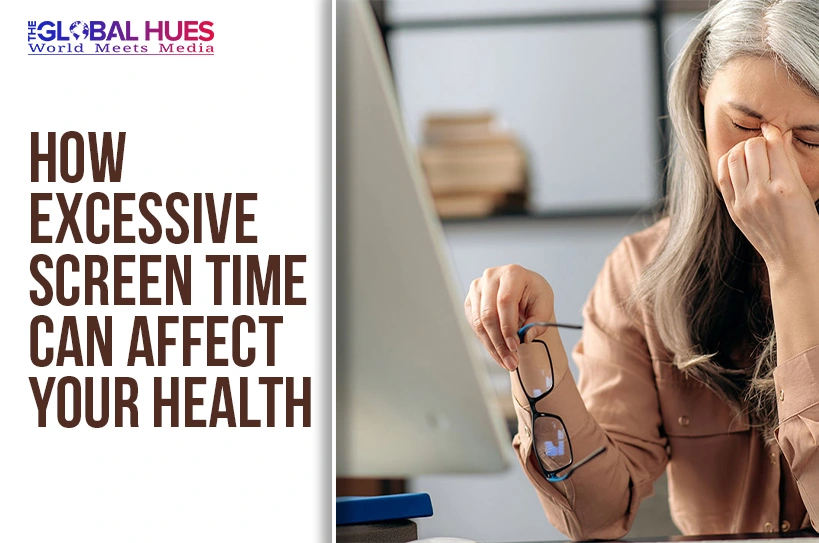
Screens are a regular part of life. People frequently use smartphones, tablets, PC, etc. It’s not simply about wearing a mask.
Health issues can occur when children spend too much time in front of screens, especially when screen time takes the place of physical activity or sleep.
Often sitting for long periods of time in front of screens can cause eye strain, headaches, bad posture, poor sleep, and increase the amount of sitting. Reactions could differ based on the use of gadgets, age, and previous wellness.
What Happens With Excessive Screen Time?
For adults, there is no specific amount of screen time that constitutes too much.
Context matters.
8 hours of work time at a computer is not the same as 8 hours of uninterrupted recreational screen time. Other factors, such as posture, breaks, sleep habits, movement, and viewing distance, can also determine the health effects.
Screen use may deserve attention when it:
- Reduces sleep
- Replaces regular physical activity
- Causes eye discomfort
- Leads to neck or back pain
- Interferes with work or relationships
- Becomes difficult to control
How Can Screen Time Affect Your Eyes?
Long periods of close screen use can contribute to digital eye strain.
Possible symptoms include:
- Dry eyes
- Blurred vision
- Eye fatigue
- Headaches
- Difficulty focusing
- Burning or irritated eyes
How Can You Reduce Digital Eye Strain?
Stretch breaks and periodically look at a distance. The placement of the screen is significant.
| Screen Habit | Better Approach |
| Staring continuously | Take regular visual breaks |
| Working with strong glare | Adjust lighting or screen position |
| Reading very small text | Increase text size |
| Holding a phone very close | Maintain a comfortable viewing distance |
| Using dry indoor environments | Blink regularly and take breaks |
Can Screen Time Affect Sleep?
Screen use late in the evening can interfere with healthy sleep habits for some people.
The issue is not limited to screen light. Engaging content, messages, games, work emails, or social media can keep the brain active when the body should be preparing for sleep.
Screen use can also delay bedtime. A person planning to check their phone for ten minutes may remain online much longer.
Better Night-Time Screen Habits
Try creating a clear period between digital activity and bedtime.
You may:
- Stop work emails before bed
- Don’t use your phone right before you sleep
- Use a consistent bedtime
How Does Screen Time Affect Physical Activity?
Sedentary behaviour is a big issue associated with prolonged screen time. When sitting a lot, it decreases daily physical activity.
A person may exercise for 30 minutes but still spend most of the remaining day seated. Healthier routines include regular movement alongside planned exercise.
| Situation | Simple Change |
| Long office session | Stand or walk briefly at regular intervals |
| Watching television | Move during breaks |
| Long phone calls | Walk when practical |
| Extended gaming | Schedule movement breaks |
| Desk-based workday | Add short walking periods |
Can Screen Use Cause Neck and Back Pain?
Poor posture during device use may contribute to neck and back discomfort.
Phones often encourage people to tilt their heads downward. Laptops may also place the screen too low if used for long periods without a proper workstation.
Common problems include:
- Rounded shoulders
- Forward head posture
- Unsupported lower back
- Bent wrists
- Remaining in one position for too long
How to Improve Your Screen Setup
Adjust the screen so that the neck does not have to constantly bend.
If possible, use a supportive chair. Position the keyboard and mouse at a comfortable height.
It’s also good practice to move about every few positions.
How Can Excessive Screen Time Affect Children?
Children use screens for education and entertainment. Therefore, complete avoidance is usually unrealistic.
Healthy routines should leave enough time for:
- Sleep
- Physical activity
- Schoolwork
- Outdoor play
- Family interaction
- Offline hobbies
Screen rules should also consider age and the purpose of device use.
How Can You Build Healthier Screen Habits?
Start by understanding your current routine.
Most smartphones can show daily screen-use patterns. Review which apps take the most time and when usage is highest.
Then make small changes.
Practical Screen-Time Checklist
- Take regular visual breaks.
- Stand and move during long work sessions.
- Avoid unnecessary screens close to bedtime.
- Turn off non-essential notifications.
- Keep devices away during meals when practical.
- Adjust screen height and text size.
- Set aside time for devices to be off during the day.
- Take time for exercise and hobbies.
No need to eliminate technology that’s useful. The idea is to utilize it without replacing fundamental health needs.
When Should You Seek Medical Advice?
If screen use is associated with ongoing symptoms such as:
- Ongoing headaches
- Significant eye pain
- Noticeable vision changes
- Persistent neck or back pain
- Severe sleep problems
- Symptoms affecting daily functioning
These problems may have causes unrelated to screen use and should not be self-diagnosed.
Final Thoughts
If excessive screen time leads to long periods of eye strain and lack of sleep or other unhealthy digital habits, then it can have an impact on health.
The answer isn’t to ban all screens. Using devices in healthy ways can be achieved in a variety of ways. Rather than just how much time you’re spending on screens, consider how screen time is affecting your body and lifestyle.
FAQs
1. How much screen time is too much for adults?
No one limit is appropriate for all adults. Discuss sleep, activity, work, screen time, symptoms, and impact.
2. Can too much screen time damage your eyes permanently?
A common side effect of spending a long time on the computer is temporary eye strain or dryness. If symptoms don’t go away after a few days or if you notice changes in your vision, the pain doesn’t resolve, or symptoms return, it’s time to seek help from an eye-care professional.
3. Does screen time affect sleep?
Some people stay up late to watch TV or other screens, and this distracts them from going to sleep. A sleep-free area might be helpful for sleep habits.
4. How can office workers reduce the effects of screen time?
Go for visual breaks, move often, sit in a comfortable workstation, adjust screen height, minimize glare, and don’t sit in one position for extended periods of time.
Related Article: