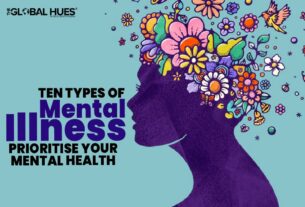

Just like your body, your brain’s health is important too. With global attention now on people’s well-being, health apps help people manage their stress and anxiety levels better. Be it therapy, meditation, or even stress management, these 10 apps for mental health have professionally crafted solutions to make life easier for you.
1. Headspace
Headspace is a mindfulness and meditation mobile app that encourages users to manage their stress and concentration by developing effective daily routines. It offers structured programs for all levels, such as anxiety and productivity courses and even mindful eating. Using science as the base, the app helps improve mental clarity and emotional strength. In addition, the app is equipped with emergency mindfulness exercises for quick relaxation and bite-sized meditations for effortless lunch break de-stressing.
Pros:
- Extensive meditation library for different needs.
- Guided sessions with expert instructors.
- Sleep sounds and bedtime stories for relaxation.
Cons:
- Limited free content.
- Requires consistency for best results.
2. Calm
Calm is an app that assists in alleviating stress and enhancing relaxation, as well as sleep, through meditation, stories, and breathing exercises. There is exclusive audio content provided by experts, which makes this app a premier wellness resource for users wanting to foster mindfulness in their routines. Calm also offers mental fitness training aids and guided breathing exercises that may assist with anxiety management and overall relaxation.
Pros:
- Celebrity-narrated sleep stories.
- Comprehensive guided meditations.
- Customizable background sounds.
Cons:
- High subscription cost.
- Requires practice for noticeable benefits.
3. BetterHelp
This app provides affordable and flexible therapy from licensed therapists with reasonable help using video guidance, as well as voice and text session support. This application is exceptionally fitting for users seeking therapy for a prolonged period without having to take time for regular clinic room visits and there is a weekly session with the therapist to gauge and track progress.
Pros:
- Wide range of therapy specialties.
- Flexible communication methods.
- 24/7 messaging with therapists.
Cons:
- Not covered by some insurance plans.
- Therapist matching may take time.
4. Talkspace
Talkspace is an app that allows users to connect with therapists and psychiatrists of their choice. Users are provided with treatment plans that include therapy and medication for those who require more comprehensive mental health services. The app also allows users to record live sessions and offers AI-guided therapy for detailed, personalized sessions.
Pros:
- Multiple therapist-matching options.
- Secure messaging and video therapy.
- Offers psychiatric services and medication plans.
Cons:
- Can be costly without insurance.
- Less immediate response compared to in-person therapy.
5. MindShift CBT
MindShift CBT enables users to manage their anxiety, worry, and stress through the use of worried-thought reframing strategies. The app incorporates exercises designed to challenge self-destructive beliefs and thoughts. The app has daily challenges that allow users to practice tips and guided exposure therapy to help users face their fears.
Pros:
- Science-backed CBT techniques.
- Personalized goal-setting.
- Free to use with no ads.
Cons:
- Limited therapist interaction.
- Requires self-motivation for progress.
6. Sanvello
Sanvello allows the use of self-help tools, therapy, and peer support all in one application for those tackling stress, anxiety, and depression. It monitors patterns in mood for each day and suggests activities designed to enhance emotional self-control abilities. Users can anonymously join peer communities for extra encouragement and support.
Pros:
- AI-based mood tracking.
- Meditation and guided therapy.
- Community forums for peer support.
Cons:
- Some features require a paid subscription.
- Overwhelming interface for new users.
7. Happify
Happify is a mental wellness app that is gamified and integrates positive psychology to retrain one’s mind from negative thoughts to a happier individual. It provides encouraging activities and challenges that work to improve emotional resilience. With its game-based format, it provides fun yet effective techniques for stress reduction and emotional well-being.
Pros:
- Science-based mental health programs.
- Gamified approach to therapy.
- Encourages positive thinking.
Cons:
- Requires in-app purchases for premium features.
- Some users find the exercises repetitive.
8. Moodfit
Moodfit is a personalized mental wellness app designed to assist users in effectively tracking emotions, easing stress, and building healthy habits via mindfulness, journaling, and exercise-tracking. It also comes with gratitude exercises and personalized coached mental health care.
Pros:
- Customizable mental health exercises.
- Integrates with physical health apps.
- Goal-setting for behavior improvement.
Cons:
- Requires regular input for effective results.
- Free version has limited features.
9. I Am Sober
I Am Sober is a recovery app that helps users track sobriety milestones, stay accountable and connect with a reinforcing ecosystem of individuals overcoming addiction. It provides motivational messages and reflection tools in order to remain committed to the recovery process.
Pros:
- Personalized sobriety tracking.
- Daily motivation and reminders.
- Community support groups.
Cons:
- Limited scope beyond addiction recovery.
- Premium features require a subscription.
10. PTSD Coach
PTSD Coach is an app specifically designed with post-traumatic stress disorder self-help features in mind. With this app, users can receive educational information about PTSD, track their symptoms, and manage their stress. Relaxation exercises, along with stress management plans, are included in the app.
Pros:
- Developed by mental health experts.
- Free access to educational resources.
- Coping tools for PTSD management.
Cons:
- Not a substitute for professional therapy.
- Limited real-time support options.
Conclusion
The use of mental health apps enables individuals to quickly access therapy, emotional support, and mindfulness. For guidance in self-help therapy, meditation, or any other structured therapy, the ten featured mental health apps and their accompanying benefits should make the selection process easier. Determine which app will best fit you and begin your journey towards enhanced mental wellness today.
FAQs
1. Which mental health app is best for meditation?
Headspace and Calm are excellent options for relaxation and meditation.
2. Are mental health apps as effective as therapy?
They are useful, but they cannot offer professional assistance. They make for great supplementary tools.
3. What is the best app for online therapy?
BetterHelp and Talkspace offer online therapy services with fully certified professionals.
4. Which mental health app is best for anxiety?
Both MindShift CBT and Sanvello offer particular strategies to alleviate worry and manage anxiety.
5. Can I use mental health apps for free?
Most have freemium offerings, but special tools and professional assistance come with paid subscriptions.
Must Read:
- Top 10 Meditation Apps For Better Well-Being
- Top Approaches in Comprehensive Mental Health Care
- Hormone Health in High-Stress Jobs: What Every Woman Should Know
- The Mental Health Crisis Among Elite Athletes