This is a digital age in which brand success is often equated with the number of likes you receive, how quickly you go viral, and the loudness of your message. But behind this noisy ecosystem lies a very important question – Is your brand built to last or just built to trend in the market?
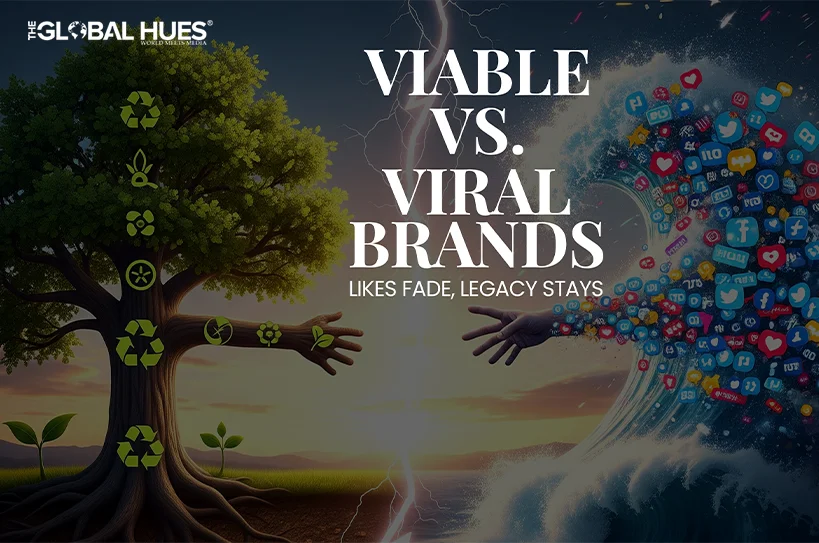
That’s where lies the clash between viable and viral brands.
Viable brands focus on building sustainable business models, long-term customer relationships and the value of their product, while viral brands focus on capitalising on the moment, for instance, a meme, a trend or a controversy, to skyrocket their presence in the market. But does visibility always equate viability?
What’s viable and what’s viral?
Viable brands are those that stand the test of time. They are built on a solid foundation with a loyal customer base, dependable supply chains and a brand message. They grow slowly but strongly. Brands like Amul, Zoho and Tanishq are some brands that have always stood the test of time.
Viral brands rise to fame swiftly, often on the back of a sensational campaign, influencer push, or cultural moment. Brands like Swiggy, WOW Skin Science, and Zomato are such examples. These brands master their marketing game to create the buzz in the market, but may struggle with retention and operational depth.
Foundation vs FOMO: The core difference
Viral brands are often born from marketing and not the product. A trending reel, a challenge or influencer collaboration might put them on the map before they have even figured out logistics. On the other hand, viral brands prioritise product-market fit, profitability and operational efficiency.
For instance, CRED is a viral fintech brand that spent millions on clever advertisements. It’s socially sticky but has long faced criticism over monetisation models. Now, if we compare it with Zerodha, it’s a bootstrapped and viable brand that quietly became India’s largest stockbroker by focusing on reliability, transparency, and product quality. No fluff, just function.
Growth Curves: Spikes vs Steady Climbs
Viral brands experience what marketers call a “hockey stick” growth curve, a sudden spike, followed by a plateau or even a crash. This usually happens due to a lack of depth. They may not have the logistics, team, or retention strategies to handle sudden demand.
Viable brands, on the other hand, scale sustainability. They focus on Customer Lifetime Value (CLTV) instead of cost-per-click. They build on communities, not just audiences.
Case Study 1: Frooti’s comeback vs Paper Boat’s patience
Remember Frooti and those times when people in their 90s used to carry this drink in their lunchboxes? But over time, bigger players like Maaza and Slice also entered the market and took a fair share. Then in 2015, Frooti came roaring back, not with a new formula but with a bold and viral ad campaign. Quirky typography, bright yellow visuals and Shah Rukh Khan as the brand face flooded TV and billboards. The advertisement was nostalgic and playful, which eventually led to a spike in sales.
Paper Boat, on the other hand, entered the market quietly around 2013. No superstars, no loud jingles, just beautifully designed pouches. Their advertisements didn’t try to go viral. They invested in product quality and slow market expansion, entering airports and premium retail before going mass.
Years later, Frooti still relies on big ad spends every season to stay top of mind. Paper Boat, meanwhile, has carved out a loyal niche that keeps growing. How? Through its emotional connection and consistent product value.
IMPLICATION: This implies that a viral comeback can put you back in the game, but viability is what keeps you there without constant re-entry costs.
Case Study 2: CRED’s hype vs PhonePe’s focus
Do you remember those glossy television advertisements starring Rahul Dravid yelling at traffic, Neeraj Chopra tossing javelins in slow motion, and Jim Sarbh delivering witty one-liners to create hype around CRED? The hype was so powerful that people downloaded it just to see what the fuss was about.
PhonePe, in contrast, quietly focused on making digital payments simple for small merchants and everyday users. No big drama and no massive early marketing blitz. Instead, they focused on building a big network, providing cashbacks that mattered and hassle-free UPI transactions.
By 2024, PhonePe had more active users and daily transactions than CRED, despite never achieving CRED-level virality.
IMPLICATION: Virality can win you curiosity. Viability turns that curiosity into loyalty.
Case Study 3: Tesla’s spotlight vs Toyota’s steady wheels
Tesla is, without question, a viral brand in the automotive world. It has Elon Musk’s larger-than-life persona and constant media attention. Tweets from Musk can easily move Tesla’s stock price overnight. However, the brand’s hype cycle often overshadows production delays, quality issues, and missed delivery timelines.
Toyota, on the other hand, rarely makes headlines for its CEO’s tweets or meme-worthy moments. Instead, it quietly sells millions of vehicles every year.
Tesla might grab the flashbulbs, but Toyota keeps cashing in the receipts year after year.
IMPLICATION: Viral gets you attention. Viable keeps you in business for decades.
What goes wrong in chasing virality?
Here’s what brands often miss while following a viral-only strategy:
- Viral campaigns often mean heavy spending without guaranteed returns.
- Your brand may be known but not loved. When the buzz dies, so do the buyers.
- Jumping trends can dilute the brand voice and confuse customers in the long run.
In contrast to this, viable brands always focus on core values. They use data to guide decisions and build resilience, which makes the customers trust the brand.
Can there be a middle path?
Some of the best brands in India have figured out how to blend both virality and viability.
- Lenskart gained early traction through advertisements but cemented trust in customers’ minds through top-notch service and retail expansion.
- Nike goes viral often, but every campaign reinforces its core performance and identity.
- Apple always turns every product launch into a global trending moment. But the excitement is backed by an ecosystem of hardware, software and service integration that makes switching away nearly impossible.
- Tanishq makes waves with emotional advertisements on weddings, social themes and festivals and sparks many conversations online. Yet its viability comes from trusted craftsmanship, product quality and a nationwide retail presence.
How to Build a Viable Brand in a Viral World
Today’s digital world pushes a brand to have its presence online and create a buzz around. The brands that don’t follow this often lag. Here’s a playbook for entrepreneurs, marketers and brand builders to ace the viral game:
-
Define purpose before promotion
Before you spend a rupee on advertisements, you need to ask yourself: Why does this brand exist? Who am I truly serving? A clear purpose is not just about marketing; it’s the compass for every decision you make. Brands like Amul are surviving in the market not just be selling products but by standing for something. If your audience can’t tell what you stand for beyond ‘making sales’, they will forget you the moment the next flashy advertisement comes along.
-
Invest in the product first
Nowadays, many brands put 80% of their budget into marketing a product that’s not ready. The quickest way to kill repeat business is to overpromise and underdeliver. Make something so good that people use it even if it has zero marketing behind it. For instance, Apple’s first iPod didn’t become a hit because of any ad campaign; it was the experience of ‘1000 songs in your pocket’ that sold itself.
-
Build in public but deliver in private
Sharing your journey can create emotional investment from your audience. But when it comes to execution, don’t overexpose the chaos behind the curtain. Brands like Dyson reveal the thinking behind their tech, but never compromise on delivering a flawless product experience.
-
Earn attention, don’t just buy it
Paid ads can bring traffic, but they can’t buy genuine love. That comes from storytelling, solving real problems, and delivering experiences that make people talk. Take Paper Boat’s nostalgic campaign as a reference; the brand spread because people felt something, not because the brand flooded every feed with paid impressions.
-
Think Long-Term
There is one thing constant about trends– they come and go, remember fidget spinners. A strong band identity can weather market shifts. You need to ask, What will my brand be known for in five years? Starbucks still sells coffee, but its real value is being a “third place” between home and work. Keep your long-term positioning in mind, even when chasing short-term opportunities.
The Final Word
We live in an attention economy, but attention without intention is fleeting and leads to nothing. Being viral can undoubtedly bring you fame, but being viable brings you fortune.
In the end, it’s not about how loud your brand speaks, but how long people listen. Build something that matters, something that lasts. Because legacy is not built on likes, it’s built on loyalty.
Must Read:
- 5 Career Steps Every Aspiring Financial Advisor Should Take
- Editing Motivational Career Advice Videos with CapCut Desktop
- Top 10 Certification Exam Dumps Websites for IT Professionals: Boost Your Career in 2025
- 5 Ways to Advance Your Career With an Online Engineering Management Program
- Where Do You Fit in The Generation Timeline