
One of the biggest projects that a property owner can dwell on is a complete gut renovation. This is in contrast to cosmetic upgrades, and in this process a space is stripped to bare structural components and built up nearly in totality. Even though the outcomes may be ground breaking, the process must be planned, followed by rules and regulations and fair expectations regarding timing and cost. Knowing what a gut renovation is, what permits will be needed, and what is the usual schedule will assist the owners in being ready to the difficulties and benefits of such an enormous project.
What a Full Gut Renovation Entails
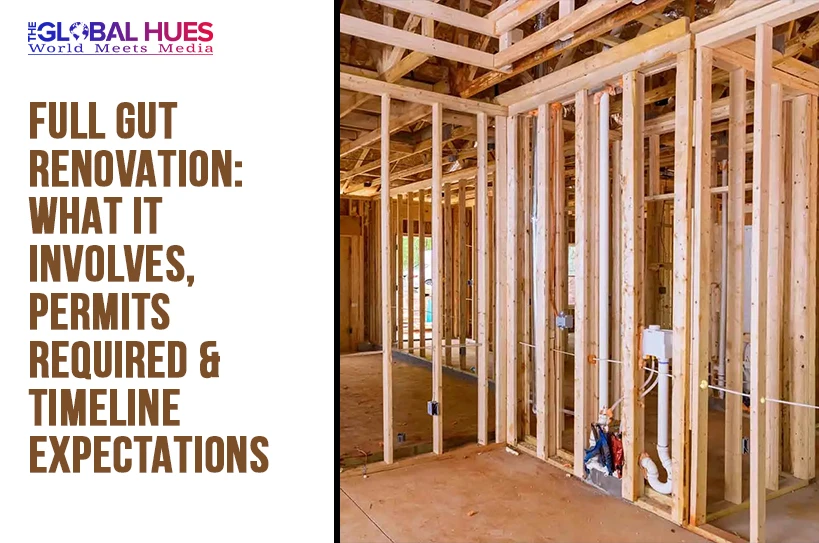
A gut renovation starts with the demolition. The building structure remains after all walls and ceilings and floors and fixtures have been removed. The contractors use this process to fix hidden issues which include outdated electrical systems and plumbing system leaks and insulation problems. After the space is vacated, it is possible to design new layouts and this will provide flexibility to redesign living space, add spaces, or give the flow of the property a modern touch. The project requires installation of new electrical systems and plumbing lines and HVAC units and insulation. The building requires structural reinforcement for its strengthening process. The project reaches its final stage through the installation of flooring and cabinets and lighting and paint that complete the project. Essentially, a gut renovation is an overhaul of a building that is referred to as interior to exterior, such that a building that is initially old is refurbished to look like a fresh one without being demolished.
Gut renovation requires permits
Gut renovations require building work and upgrades of systems, thus permits are nearly always necessary. Demolition and reconstruction is approved by building permits which guarantee that the construction work is made in accordance with safety codes. Electrical permits are required in situations like rewiring or adding new circuits whereas plumbing permits entail replacement or relocation of pipes and fittings. Installation or upgrading of heating and cooling systems is also a requirement in many jurisdictions to obtain HVAC permits. In the event of the renovation touching on the reengineering of load bearing walls or adding square feet, structural permits and structural approvals could be required. The owners will also need to think of zoning rules, in particular, when the remodelling of the property alters the purpose of its use or introduces new units. The inability to receive adequate permits may result in fines, time wastage or even legal prosecution and therefore compliance is one of the most important aspects of the process.
Timeline Expectations
A full gut renovation NYC takes time depending on the property size, the design complexity and the effectiveness of the contractors. The gut renovation of an apartment or a small home has an average of four to six months and bigger houses can take a period of nine months to one year. It starts with planning and permitting which may require several weeks or months by local regulations. The process of demolition can be one or two weeks and system installations and other structural works may take several months. The final stages which involve flooring, cabinetry and painting require other two or three months. The time delay is the norm, with most of the time attributed to permit permission, supply chain, or unforeseen structural issues involved in the demolition. Owners must create flexibility in their schedule and make plans in case of contingencies to handle frustration.
Dealing with Expectancies and Preparations
Gut renovation is a complicated task requiring time and structure. The owners need to work together with architects and contractors and inspectors to ensure all work procedures are properly executed. The budget needs to reflect actual expenses because unexpected issues typically result in higher costs than planned because of unanticipated problems. Any misunderstanding and the project track are avoided with a clear communication with the contractors. Knowing the extent of work, obtaining the required permits, and making the gut renovation a long process, the owners will be able to overcome the difficulties without a sweat.
Conclusion
Complete gut remodel is more than remodel, it is total transformation of property. The demolition process is followed by the process of rebuilding which entails a lot of planning, compliance with the regulations and months of hard work. Safety and legality are guaranteed by having permits and reasonable deadlines are taken to control expectations. Gut renovations are a challenging undertaking but the payoffs are great as one gets a refined, personalized space that suits the present-day standards and their own tastes. To the owners who are willing to invest the process, what they eventually have is a property that is completely new and which will last them through decades to come. Create the home you have always wanted with the professional design and impeccable performance.
(DISCLAIMER: The information in this article does not necessarily reflect the views of The Global Hues. We make no representation or warranty of any kind, express or implied, regarding the accuracy, adequacy, validity, reliability, availability or completeness of any information in this article.)
Must Read:
- S Jaishankar: Meet Veteran Diplomat Shaping India’s Foreign Policy
- Top 10 Forex Traders in India – Updated Ranking & Insights
- Charting the IPO Journey in India: Past, Present, and Beyond
- SHIV NADAR: A PHENOMENAL BUSINESS TYCOON