
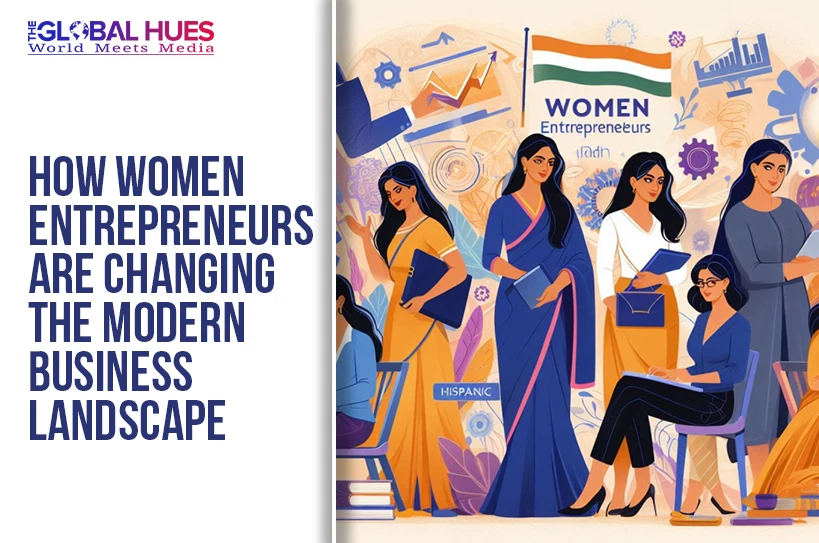
Women entrepreneurs are making their mark in almost every field these days, such as technology, finance, retail, healthcare, education, professional services, manufacturing, and so much more.
Not only are they creating new businesses, but they are also generating new ideas and approaches to existing and changing industries.
Their impact extends beyond the increasing number of women entrepreneurs. As women begin to found businesses, they are bringing their own product development and leadership experiences and perspectives to bear on how businesses approach and solve problems.
Women entrepreneurship is also expanding the definition of entrepreneurship by bringing in a new outlook and coping with the challenges of various arenas in a new way through new business solutions.
Why Are More Women Entering Entrepreneurship?
Entrepreneurship can provide greater freedom, wealth, time, and types of problems people wish to solve in achieving professional goals.
By identifying gaps in the market or customer needs unsatisfied by existing businesses, women can initiate businesses.
Digital tools have also helped to lower some obstacles to business entry for certain categories of businesses.
With them, an entrepreneur can now create an online store, provide professional services, communicate with customers, process payments, and market a business on a smaller team.
Which Industries Are Women Entrepreneurs Building Businesses In?
Women-owned businesses can be found outside of the traditionally female industries.
| Industry | Common Business Opportunities |
| Technology | Software, digital platforms, AI services |
| Healthcare | Wellness services, health technology, and clinics |
| Finance | Advisory services, fintech, financial education |
| Retail | E-commerce, consumer products, specialised brands |
| Education | Online learning, tutoring, and professional training |
| Professional services | Consulting, legal services, marketing |
| Manufacturing | Consumer goods, industrial products |
| Sustainability | Recycling, clean products, and environmental services |
How Are Women Entrepreneurs Identifying New Customer Needs?
Often, founders develop businesses around issues they have first-hand experience with.
This can result in products and services being developed for customer segments that were underserved in the previous markets.
Examples may include:
- Financial products designed around different life stages
- Workplace services supporting parents
- Healthcare products addressing women’s needs
- Flexible education models
- Specialised consumer products
- Services supporting small businesses
The broader effect is a greater variety in how businesses define customer problems.
Turning Personal Experience Into Business Insight
While personal experience can help in the discovery of a problem, business validation is essential to a successful business.
The test is a process of strong founders interviewing customers, using early versions of products, selling products, and soliciting feedback to validate their assumptions.
The lived experience and market evidence can help to build a stronger product.
How Are Women Entrepreneurs Influencing Leadership?
There are various types of leadership styles, and it would be wrong to say that all women lead businesses in the same way.
Yet, increased representation increases the diversity of management and decision-making.
Women entrepreneurs are helping normalise leadership models that may include:
- Flexible working structures
- Transparent communication
- Employee development
- Collaborative problem-solving
- Clear performance expectations
- Greater attention to customer experience
Good leadership depends on execution rather than gender. The business benefit comes through having more people with different experiences able to become founders and decision-makers.
How Do Women-Led Businesses Support Employment?
Entrepreneurship contributes to economic value by creating jobs, purchasing services, and engaging with suppliers and customers.
A growing company may need:
- Sales professionals
- Accountants
- Developers
- Designers
- Operations employees
- Customer support teams
- Marketing professionals
- Contractors
A small founder-led company can eventually support many jobs if demand grows.
What Challenges Do Women Entrepreneurs Face?
Some of the obstacles that small business owners face include financing, competition, hiring, finding customers, and cash flow.
Other challenges can apply to women, depending on their market, location, industry, and situation.
| Challenge | Practical Response |
| Limited professional network | Join the founder and industry communities |
| Funding difficulty | Build clear financial records and study several funding routes |
| Lack of mentors | Seek experienced founders and sector specialists |
| Market credibility | Build case studies and customer proof |
| Time pressure | Create clear priorities and operating systems |
| Hiring limitations | Use contractors before expanding permanent teams |
Not every founder experiences the same barriers. Business support should focus on the specific problem rather than assuming one experience applies to everyone.
How Is Technology Supporting Women Entrepreneurs?
Digital technology can reduce some of the infrastructure needed to start a company.
Online tools can support:
- Ecommerce
- Payments
- Accounting
- Marketing
- Video meetings
- Customer support
- Project management
- Hiring
- Analytics
For a service business, it can operate with customers in multiple cities without having a store in every city.
Founders can also use social platforms to create a direct audience, without being completely dependent on traditional advertising.
Why Does Access to Funding Matter?
Capital can affect how quickly a business develops products, hires employees, expands distribution, or enters a new market.
Women entrepreneurs may use several funding routes:
- Personal savings
- Business revenue
- Bank finance
- Government programs
- Angel investment
- Venture capital
- Grants
- Crowdfunding
The choice of the right depends on the business model. An established and lucrative service firm might want to grow slowly through its own efforts.
If your business is a tech firm that can take years to get the product to market, you might need to seek outside investment.
How Can Businesses Better Support
Women Entrepreneurs
?
Support should be practical rather than symbolic.
Useful actions include:
- Giving founders access to business networks.
- Providing mentorship based on industry experience.
- Improving access to financial education.
- Making funding decisions based on clear business criteria.
- Supporting supplier opportunities for smaller businesses.
What Does the Future Look Like for Women Entrepreneurs?
The participation of more women in entrepreneurship can lead to greater ideas, products, and leadership styles available in the market.
Digital tools will likely further lower barriers to entry in certain industries. Meanwhile, manufacturing, infrastructure, and more advanced technology-based sectors may still need a lot of funding and special help.
Final Verdict
Women entrepreneurs have revolutionized the business world by starting businesses and providing jobs.
It is important not to think about their contribution as one style of entrepreneurship. Women entrepreneurs launch their businesses in a wide variety of sectors and have varying objectives.
A better business climate provides entrepreneurs with access to customers, capital, networks, and opportunities, depending on the quality of their ideas and execution.
FAQs
1. How are women entrepreneurs changing businesses?
The women entrepreneurs are establishing businesses in various sectors, launching new products in the market, providing employment, and adding diversity of experiences in business leadership.
2. Which industries have opportunities for women entrepreneurs?
These can be found in technology, health, education, finance, e-commerce, manufacturing, professional services, sustainability, etc.
3. What challenges can women entrepreneurs face?
Financing, professional networks, mentoring, credibility and hiring, time management, etc., can be limiting factors. Everyone’s journey is unique.
4. How can organisations support women-owned businesses?
They can provide practical mentoring, fair access to finance, supplier opportunities, industry networks, training, and introduce you to potential customers.
Related Article:
- 5 INSPIRING BOOKS FOR WOMEN ENTREPRENEURS
- THE ICONIC WOMEN ENTREPRENEURS OF THE 21ST CENTURY
- Dr. Nancy Juneja: A Global Voice for Women Empowerment and Education
- Hidden Gems: Unsung Heroines of Indian Entrepreneurship