
The history of precious metals as a vehicle for private wealth preservation took a massive leap forward during the middle of the twentieth century. For many decades, the average individual had very limited options if they wanted to own physical gold in a format that was easy to trade. Most available items were either large industrial bars or older historical coins that carried high premiums.
The need for a standardized unit of value that could be marketed to the general public became increasingly apparent as global economies shifted. Financial leaders recognized that a portable and recognizable format would appeal to investors who valued tangible assets over paper currency. This realization set the stage for a revolutionary new product that would eventually define the modern bullion market for everyone.
South Africa took the lead in this movement by introducing a unique legal tender piece that lacked a fixed denomination. This allowed the value of the item to fluctuate directly with the spot price of gold rather than a static face value. The launch of the krugerrand coin changed the landscape of wealth management forever by making high purity gold accessible to the common person across the globe.
Why South Africa Introduced This Coin
South Africa occupied a dominant position in the global gold mining industry during the late nineteen sixties and sought new ways to market its vast reserves. The government realized that traditional sales to central banks were limited and that a retail product could tap into a massive and underserved consumer base. Creating a coin for private ownership was a strategic move to ensure the country remained a leader in the precious metals trade.
The introduction of the first mass produced bullion coin allowed the nation to export its natural wealth in a finished and highly recognizable form. This helped to bypass some of the complexities of the international gold market by putting the metal directly into the hands of private citizens. It was a bold economic experiment that relied on the universal appeal of gold to overcome political and social barriers.
Global markets responded with immediate interest as the coin provided a level of liquidity that had never been seen before in the retail space. It allowed individuals to buy exactly one ounce of gold without the need for complex assays or specialized storage facilities. This accessibility was the primary engine that drove the early success of the program and established a new standard for international bullion products.
Design Features and Metal Content
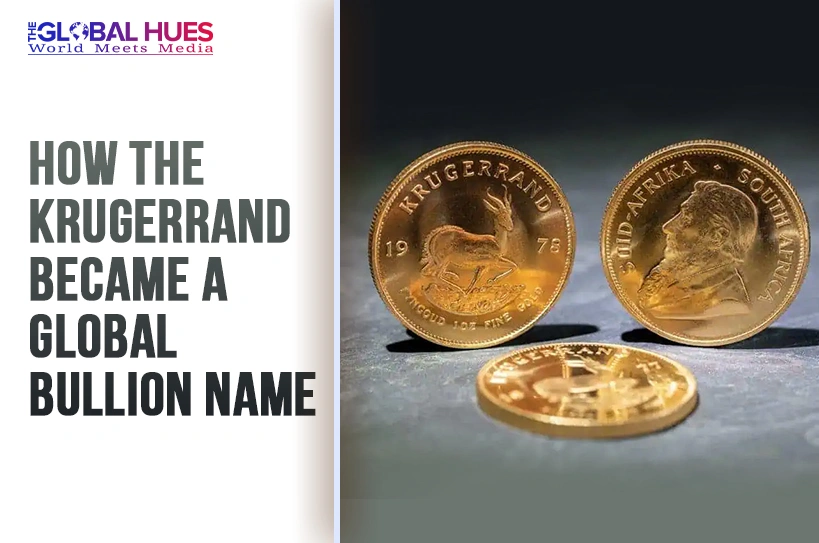
The aesthetic of the coin changed into cautiously chosen to mirror the history and the natural beauty of the South African landscape. On the obverse aspect, the profile of Paul Kruger affords a link to the historic identity of the area and its long status subculture of independence. This portrait remains a consistent feature that helps investors quickly identify the piece in any market around the world today.
The reverse facet features the enduring springbok antelope, which is a countrywide symbol recognised for its grace and resilience within the wild. This layout was created to be each simple and stylish, making it easy for mints to provide at a high extent whilst retaining a expert appearance. The mixture of these snap shots created a visual emblem that became synonymous with the concept of dependable and genuine gold ownership.
Durability was a major technical consideration, which led to the decision to use a twenty two karat gold alloy rather than pure twenty four karat metal. By adding a small amount of copper, the mint created a much harder coin that could resist scratches and wear during handling and transport. This specific metal content gives the coin its unique orange hue and ensures that it remains in good condition for many decades.
How Global Investors and Dealers Spread Demand
The rapid expansion of the bullion market in the nineteen seventies was largely driven by a well coordinated network of international dealers and financial institutions. These professionals recognized the potential of the new coin to attract a diverse range of buyers who were looking for a hedge against inflation. They marketed the product as a stable and liquid alternative to traditional savings accounts and stocks.
Massive advertising campaigns in Europe and North America helped to educate the public on the benefits of owning physical gold in a standardized format. These efforts removed the mystery from the gold trade and made it feel like a normal part of a balanced investment portfolio for the average family. As more people became comfortable with the product, the volume of sales began to skyrocket across every continent.
The coin became the benchmark by which all other subsequent bullion programs were measured as they entered the global stage in later years. Its widespread availability meant that an investor could sell their holdings in almost any major city with absolute confidence in the price. This liquidity is what truly turned a national project into a global household name for the precious metals industry.
Modern Trading and Minting Changes
The landscape of the bullion trade has evolved significantly since the early days, but the primary product remains a staple for collectors and investors alike. The South African Mint has expanded the series to include fractional sizes like half ounce, quarter ounce, and tenth ounce pieces to fit every budget. These smaller options allow for even greater flexibility in how people manage their physical gold reserves today.
In recent years, the program has made a major leap by introducing a silver version of the classic design to meet the growing demand for affordable bullion. This addition has allowed a whole new generation of collectors to engage with the brand without the high cost of entry associated with gold. The silver edition maintains the same high standards of craftsmanship and recognition as the original gold series.
Modern minting technology has also allowed for the creation of proof editions and special anniversary sets that carry a high level of numismatic interest. These restrained releases attract severe collectors who cost rarity and historic significance along the intrinsic metallic content material of the coin. The logo continues to innovate whilst staying genuine to the heritage that made it a global leader fifty years in the past.
Conclusion
The legacy of the first bullion coin is found in its ability to survive through decades of economic shifts and changing market regulations. It set a template that nearly every other major mint in the world has followed in an attempt to capture the same level of trust. History has shown that a simple and recognizable design is the key to lasting relevance in the world of trade.
Market adoption was achieved because the product solved a real problem for individuals who wanted to take control of their own financial security. By providing a portable and divisible unit of gold, the mint created a tool that transcends borders and languages. The long term success of the brand is a testament to the power of a good idea paired with professional execution.
Today, the coin remains one of the most widely traded and respected items in the entire global precious metals marketplace for every generation. It represents a commitment to first-rate and a link to a historical second that modified how the arena perspectives the price of gold. High requirements in production make certain that the emblem will remain a cornerstone of the industry for many years.
(DISCLAIMER: The information in this article does not necessarily reflect the views of The Global Hues. We make no representation or warranty of any kind, express or implied, regarding the accuracy, adequacy, validity, reliability, availability or completeness of any information in this article.)
Must Read:
- S Jaishankar: Meet Veteran Diplomat Shaping India’s Foreign Policy
- Top 10 Forex Traders in India – Updated Ranking & Insights
- Charting the IPO Journey in India: Past, Present, and Beyond
- SHIV NADAR: A PHENOMENAL BUSINESS TYCOON