Competition is really tough in the e-commerce space. This means companies have to invest in logistics and make sure their customers are happy. A lot of companies, small and medium-sized ones, still like to handle their logistics on their own. They think this will help them keep control and save money.
This approach does not work well in the long run. During peak shopping seasons, orders come in fast. This is where third-party logistics or 3PL providers come in. They can help businesses use existing infrastructure, advanced technology and industry expertise without having to handle everything on their own.
In this guide, we will talk about the hidden costs of not using 3PL logistics in a market.
Rising Operational Costs of In-House Logistics
At first, handling logistics on your own might seem like an idea. It might look like it will save you money. When orders start coming in, the costs can add up really fast. You will need to rent storage space, hire more employees and spend money on delivery.
The problem with handling logistics on your own is that your business has to pay for everything. Over time, these costs will start to eat into your profits. This means you will not have much money to spend on other things like marketing, branding and making new products.
Order Fulfillment and Delivery Delays
One of the hidden costs of not using 3PL logistics is that orders are not fulfilled efficiently. It takes time to set up a system for delivering orders. While you are setting this up, you might make mistakes like sending orders to the wrong addresses or delivering them late.
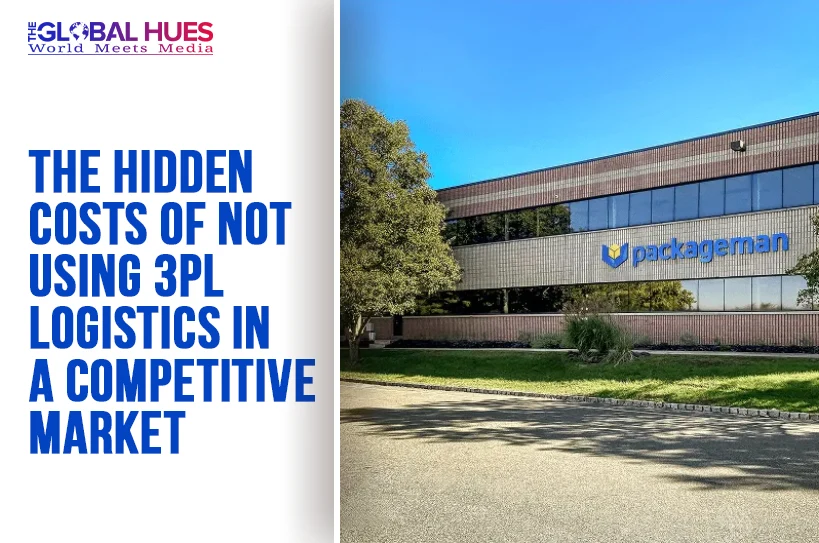
Picking and packing orders can be prone to errors if you do not have the systems and trained personnel. These mistakes can lead to losses when customers return orders or leave reviews. Established 3PL providers like Packageman have systems in place that work well and can handle a lot of orders. This helps you keep up with your competitors and provide shipping experiences.
Scalability Challenges During Demand Fluctuations
Another hidden cost for businesses that do not use 3PL logistics is scaling up or down. During peak shopping seasons, companies might struggle with not having warehouse space, staff or transportation. This can lead to delays and inefficiencies.
When business is slow, companies with their own logistics, they still have to pay for things like rent, salaries and equipment maintenance. This means they are not making as much money as they could be. 3PL providers are designed to handle changes in demand. This flexibility helps businesses respond to changes in the market without wasting resources or sacrificing service quality.
Impact on Customer Satisfaction
Customer satisfaction is one of the areas that is most affected when a business chooses not to use 3PL logistics. In today’s e-commerce space, customers want their orders delivered fast. If you cannot deliver orders within 48 hours, customers will likely shop somewhere else.
Businesses that use 3PL logistics benefit from established systems for delivering orders, optimized routes and professional fulfillment processes. This means fast delivery times, fewer errors and a better overall experience for customers. These are factors that drive loyalty and long-term business growth. 3PL logistics helps businesses make their customers happy, which is really important for 3PL logistics and for the businesses themselves.
(DISCLAIMER: The information in this article does not necessarily reflect the views of The Global Hues. We make no representation or warranty of any kind, express or implied, regarding the accuracy, adequacy, validity, reliability, availability or completeness of any information in this article.)
Must Read:
- S Jaishankar: Meet Veteran Diplomat Shaping India’s Foreign Policy
- Top 10 Forex Traders in India – Updated Ranking & Insights
- The Media Beacon
- SHIV NADAR: A PHENOMENAL BUSINESS TYCOON