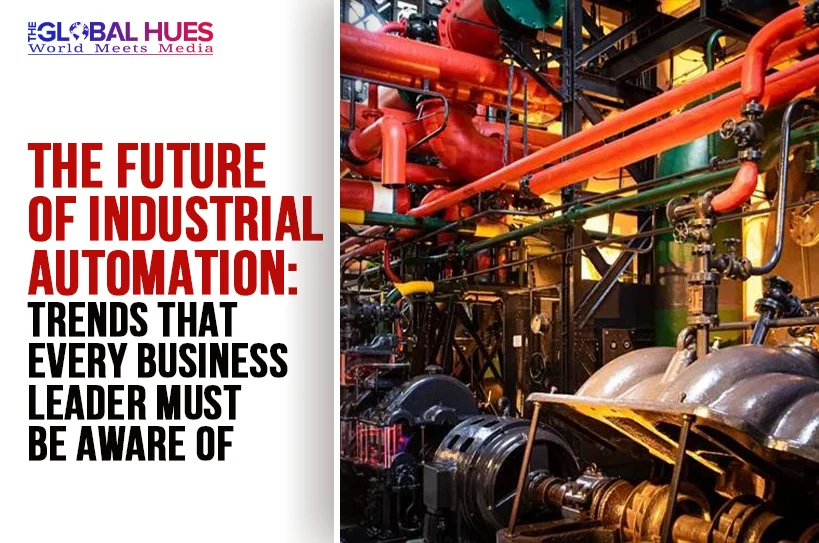
Production is evolving rapidly. Gone are the days when machines were isolated and just humming in some corner of a factory. The emphasis today is all on integrated systems. In the case of a manufacturing business, this shift is one of the significant risks that should not be overlooked. Lagging is typically a direct blow to your bottom line. This is no longer an expensive luxury for huge corporations to upgrade their technology. It has become a necessity to survive, particularly with the increasing demand by customers and the reduction of production cycles each year.
Interpretation of the Data
It is very simple to gather production data, but determining what it is is more difficult. Finding a set of data scientists lurking around most factories to analyze machine metrics is not a common occurrence.
Due to this, you tend to require external assistance to decode whatever is being communicated to you by your sensors. This is where companies such as Atlas Copco ITBA enter. They have developed an extensive international network of intelligent assembly tools and information services. They assist in making sense of your production data in order to identify a machine malfunction before it shuts down your production line. Regardless of whether you employ complicated tightening devices or machine vision, the appropriate technology ensures that the assembly is perfect the first time. This keeps the line moving and significantly reduces the amount of materials wasted. It also makes your team more confident with the decisions they make every day, as they are operating with information that is easy to understand, reliable, and can be acted upon.
Going Green is Green
Sustainability is no longer just a marketing talking point. Customers are concerned about the manufacturing processes of products, and the regulators are listening. Automation is of immense assistance in this regard. Since the current systems are incredibly accurate, you discard many fewer defective parts.
Moreover, the electric and e-mobility solutions are already denting the carbon emissions as the push in this direction goes on. The best part is that it is generally cheaper to operate a leaner/ greener factory because your energy and maintenance costs also go down. It proves to be a good financial decision to do the right thing for the environment, particularly at a time when more companies seek long-term means of stabilizing their operating expenses.
Sustainability attempts also seem to ease the process of attracting new customers as well as attracting better talent, for most manufacturers. Individuals desire to deal with organisations that are responsible. And as soon as teams start considering their environmental impact, they tend to start noticing little changes that can save time and money. They feel non-dramatic at the time, but those little changes accumulate. Soon, they built up to a noticeable, quantifiable change in the running of the entire operation.
Keeping Workers Safe
The fear remains that automation is only to eliminate jobs. At the factory floor, however, the situation is far more cooperative. Automation is to actually replace the hazardous, heavy or very repetitive jobs.
The use of smart workstation setups also helps guide the operators on their daily activities in a manner that safeguards their physical well-being. It proves the process, it makes it much easier to train new hires and it eliminates a lot of daily stress. The team will not be physically drained, which means that they will be able to work on the problems rather than merely survive their shift. This tends to result in superior ideas, easier interaction and a more accommodating work environment, something that all businesses gain in the long term.
In the future, AI and smart analytics will only be more pervasive in the day-to-day operations of manufacturing. It is the leaders who embrace these interconnected technologies today who are positioning themselves to be successful over the long run. It is no longer merely a matter of making things faster. It is a process of making all that is safe, smarter and way less wasteful to everybody involved, building a better future base.
(DISCLAIMER: The information in this article does not necessarily reflect the views of The Global Hues. We make no representation or warranty of any kind, express or implied, regarding the accuracy, adequacy, validity, reliability, availability or completeness of any information in this article.)
Must Read:
- Why do long-term disability claims get denied, and how can a lawyer help?
- How an Injury Lawyer from Calvin Smith Law Ensures You Get the Highest Compensation
- How to Choose the Right Personal Injury Law Firm for Your Case