
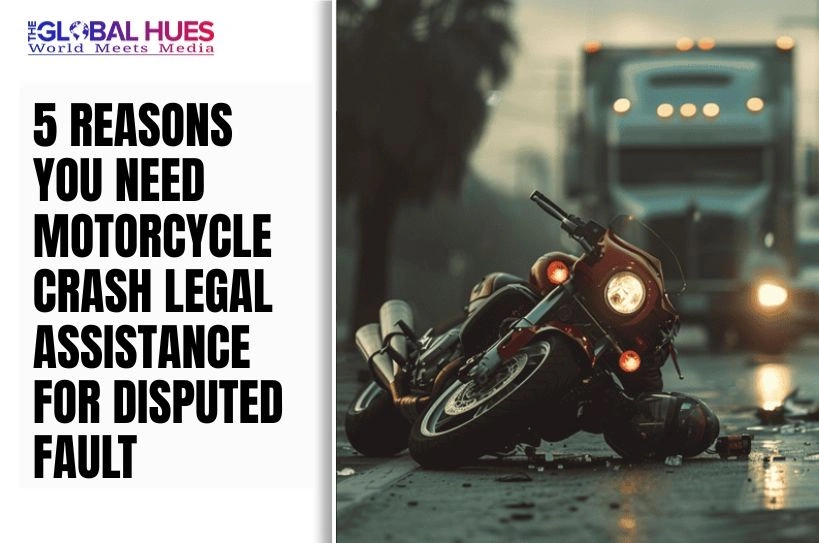
Traffic congestion, fast highway merges, and heavy tourism around Tampa can create dangerous conditions for motorcyclists, especially when drivers fail to notice riders until it is too late. After a serious crash, fault is not always assessed fairly at the scene. Riders may face assumptions about speed, visibility, or risk-taking before medical treatment is even complete.
In disputed Tampa motorcycle accident claims, early legal guidance often becomes essential because preserving evidence, documenting injuries, and correcting inaccurate narratives can directly affect how much financial recovery remains available under Florida law.
Bias Can Shape the First Story
Initial reports often reflect assumptions before all facts are checked. Riders may be labeled careless based on appearance, road position, or vehicle type alone. In that fragile window, photos, witness follow-up, crash mapping, and Tampa motorcycle crash legal assistance can help correct early blame before an insurer fixes on a partial fault theory. Once that version is settled in the file, reversing it usually takes far more work.
Florida Fault Rules Raise the Stakes
Florida uses modified comparative negligence, so compensation falls as a rider’s share of blame rises. If responsibility passes 50 percent, financial recovery may be cut off. That threshold gives unusual weight to details that might seem minor at first. A disputed lane change, rough speed estimate, or claim about visibility can alter the outcome. Legal support helps test those assertions before they harden into accepted fact.
Evidence Disappears Quickly
Crash evidence has a short life. Skid marks fade, debris gets cleared, and nearby businesses may record over camera footage within days. Repair work can also erase useful damage patterns on a motorcycle or another vehicle. Witness memory shifts faster than most people expect, especially after a stressful scene. Legal teams often act early to preserve records, request video footage, and secure a reliable timeline based on verifiable details.
Insurers Look for Partial Blame
Insurance carriers often seek statements that can reduce the claim value. An injured rider who guesses about speed, apologizes reflexively, or speaks while medicated may create lasting problems. Adjusters know that uncertainty can be framed as admission. Legal assistance places structure around those contacts and keeps communication tied to documented facts. That protection matters because one loose remark can affect months of discussion about responsibility and damages.
Serious Injuries Need Strong Damage Proof
Motorcycle crashes often cause fractures, spinal injury, brain trauma, internal bleeding, and extended rehabilitation. When a fault is disputed, insurers may question future care, pain severity, or lost earnings with greater intensity. Medical records alone are rarely enough without a clear bridge between diagnosis and daily limitation. Legal guidance helps organize imaging results, treatment notes, wage-loss data, and recovery projections into a single coherent picture of harm.
Liability May Reach More Than One Party
Some disputed collisions involve several contributing sources rather than a single careless act. Another driver may share blame with a road contractor, parts maker, or public agency responsible for unsafe pavement or poor sightlines. Those additional issues can quickly shift the case. Counsel can review maintenance logs, design records, vehicle defects, and intersection visibility to identify every possible source of legal responsibility before key evidence disappears.
Strong Cases Need Organized Causation
A persuasive fault case usually depends on sequence, timing, and internal consistency. Lawyers often integrate scene images, vehicle damage, medical onset, witness accounts, and expert review into a single clear explanation. That structure matters when the defense argues that the rider caused the impact or worsened the injuries afterward. A claim built on organized causation is harder to dismiss because each fact supports the next without gaps.
Small Gaps Can Hurt Big Claims
Even a minor inconsistency can weaken a substantial injury claim. Missing treatment dates, vague repair figures, or poor scene photos may give the defense room to shift blame. Early legal review helps close those openings before they shape settlement talks.
Conclusion
Disputed fault claims rarely turn on common sense alone. They depend on preserved evidence, disciplined communication, careful medical support, and a clear account of how the crash unfolded. For injured riders, legal assistance has practical value because every percentage point of blame can affect treatment costs, wage loss, and long-term stability. When the facts are contested, strong representation helps protect the record and keeps the case grounded in proof rather than assumption.
(DISCLAIMER: The information in this article does not necessarily reflect the views of The Global Hues. We make no representation or warranty of any kind, express or implied, regarding the accuracy, adequacy, validity, reliability, availability or completeness of any information in this article.)
Must Read:
- Your Custom Home – Careful Considerations
- Innovative Interior Design Trends To Refresh Your Home
- How to Choose Living Room Furniture That Stands Up to Active Lifestyles