
Renting a room can have a major impact on a person’s lifestyle, from the quality of their sleep to their financial state. A well-worded ad can conceal many issues such as loud neighbors, poor air quality, unsafe entryways, or complicated subletting policies. However, asking the right questions can help identify these issues before signing the lease. Additionally, a good screening process helps potential renters feel more confident and comfortable about their decision after the move. As a result, I believe that a proper screening process allows renters to find the most suitable place for them while eliminating some stressors in their daily lives.
What Fits the Budget?
Rent should be judged as a full monthly figure rather than a headline number. Utility charges, internet fees, parking, and cleaning costs can change affordability fast. While comparing listings, many renters review options such as Wangsa Maju room for rent to gauge local pricing, room size, and common extras. That context helps people separate a fair rate from a figure that only looks reasonable at first glance.
Is the Deposit Clearly Explained?
Deposit terms should be clearly spelled out in writing and agreed upon before any money is transferred. Some landlords require their renters to pay the security deposit, utility deposit, and rent in advance simultaneously. All of the amounts should be specified, and the refund conditions – along with details on deductions – should be explained. Otherwise, disputes may arise that will put a strain on the relationship between lessor and lessee.
What Is Included in the Room?
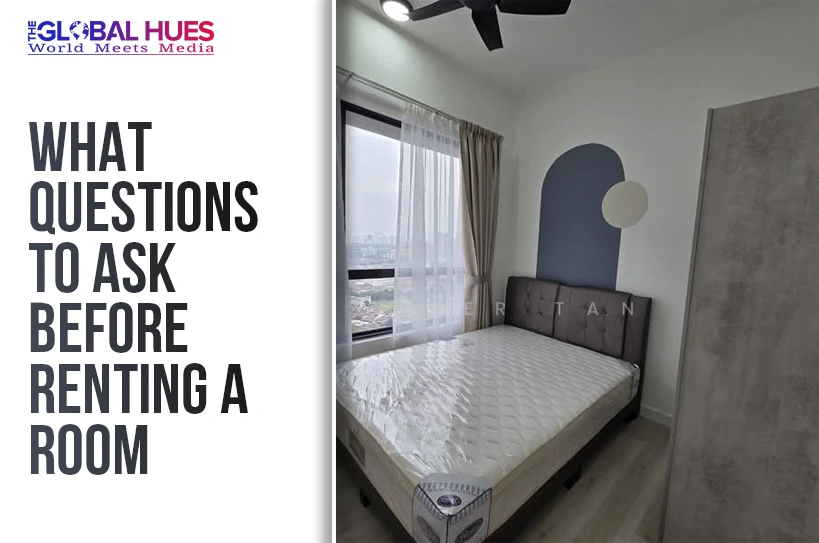
Photos do not show everything, therefore it is important to ask what is not visible when renting an apartment. It is vital to know if the beds, wardrobe, desk, fan, air conditioner, and water heater are provided. It is also crucial to know if the windows have latches for security reasons and a good night’s sleep. Paying attention to detail is vital to ensure comfort, correct sitting posture, and privacy.
Who Else Lives There?
The people who will occupy the home are as important as the location. The renters should think about how many people will be living in the home and how their schedules will conflict with each other. Some people may have jobs that require them to work strange hours or stay up late to study. People who have lots of visitors or who work non-traditional hours could ruin the peace and quiet of the home. The compatibility of the people who live in the home is important, as is their schedule.
Are House Rules Reasonable?
The ambiguity of unarticulated expectations complicates shared housing. To prevent future roommate drama, tenants should cover all bases, discussing such matters as having guests, cooking, laundry, smoking, cleaning, and the use of appliances. A few ground rules are necessary to guarantee privacy, but some can turn out to be deal-breakers. Moreover, the sooner roommates set these rules, the sooner they might realize they have chosen their roommate poorly.
How Safe Is the Property?
The safety questions should not be embarrassing. Renter wants to see if the locks on the doors are safe, windows secured, lighting, and entrances on the street. Moreover, a tenant should ask questions about alarm systems or gates with guards, and what it is like at night. Silence can be a good sign, but a sense of control over one’s safety is a better sign.
What Does the Agreement Say?
A written agreement protects both parties better than a verbal promise. The document should state rent, payment date, notice period, deposit terms, guest rules, and repair responsibility in direct language. Vague clauses create room for disagreement later. Renters should read each line slowly. If one section feels unclear, that point needs explanation before signing anything.
Lease Basics
The lease should also state minimum stay, renewal terms, and any charge for leaving early. Those details affect flexibility, planning, and financial risk more than many first-time renters realize.
Who Handles Repairs?
Maintenance should never be left to guesswork. Renters need to know who pays for plumbing faults, damaged lights, broken fans, or appliance failure. Response time matters as much as responsibility. A leaking pipe or faulty lock can affect hygiene, sleep, and safety within hours. Clear reporting steps usually reduce delay, confusion, and resentment.
How Is Privacy Protected?
Privacy supports emotional ease and a stronger sense of safety at home. Renters should ask whether an owner may enter the room without notice and whether cameras cover shared areas only. Bedroom access rules need firm boundaries. Locks should function properly. Respect for personal space often determines whether a living setup feels calm or intrusive.
Daily Boundaries
Shared shelves, refrigerator space, and quiet hours deserve clear rules as well. Those small boundaries often prevent repeated tension over food, noise, clutter, and uninvited borrowing.
Is the Location Practical?
A low rent figure can lose its appeal if daily travel drains time and energy. Renters should ask about public transport, nearby shops, clinics, traffic flow, and late-night access. Walking routes deserve a close look, especially after rain or after dark. A practical location supports steadier routines, lower transport costs, and less physical strain.
Conclusion
The best rental decisions come from careful questioning, written proof, and honest conversation before move-in. Price matters, yet safety, privacy, compatibility, and repair systems shape daily life just as strongly. Each answer shows whether a room will support rest, routine, and peace of mind. A brief discussion now can prevent months of avoidable stress later. That habit gives renters clearer judgment, stronger control, and a better chance of choosing well.
(DISCLAIMER: The information in this article does not necessarily reflect the views of The Global Hues. We make no representation or warranty of any kind, express or implied, regarding the accuracy, adequacy, validity, reliability, availability or completeness of any information in this article.)
Related Article:
-
Why Chandeliers Look Like They’re Floating in Tall Rooms (And How to Fix It)
- Your Custom Home – Careful Considerations
- Innovative Interior Design Trends To Refresh Your Home
- How to Choose Living Room Furniture That Stands Up to Active Lifestyles