
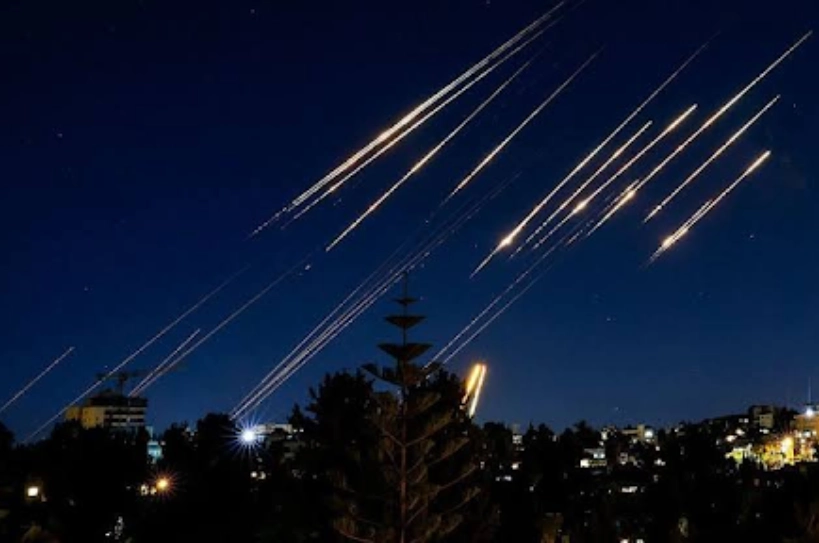
The Middle East continues to be one of the most geopolitically sensitive regions in the world, where diplomatic shifts and military developments can quickly reshape global stability. Understanding these developments is no longer limited to policymakers—it affects global energy markets, security policies, and everyday economic conditions worldwide.
The Iran Israel war latest news has become a focal point for international attention, as rising tensions, proxy conflicts, and diplomatic breakdowns raise concerns about broader regional escalation. In recent coverage, media outlets have highlighted how interconnected regional alliances and rivalries are influencing the current landscape. As the situation evolves, it becomes increasingly important to separate verified facts from speculation and understand the deeper drivers behind these tensions.
Understanding the Iran–Israel Conflict: Current Developments and Regional Dynamics
Recent developments in the Iran–Israel conflict highlight a complex pattern of indirect and direct confrontations rather than a single conventional war. The situation is shaped by military escalation, diplomatic maneuvering, and broader regional instability involving allied actors on both sides.
At the core of the conflict are long-standing political and ideological tensions, along with strategic competition for influence across the Middle East. In recent months, the situation has been marked by shifting military and diplomatic activity, including:
- Heightened military alertness in strategically sensitive areas
- Increased rhetorical exchanges between political and military leadership
- Expanded involvement of allied non-state groups across the region
- Continued international efforts calling for restraint, de-escalation, and negotiations
Overall, the conflict remains fluid, with periods of escalation and tentative diplomatic engagement occurring simultaneously, contributing to ongoing uncertainty in the region.
Key Drivers Behind Escalating Tensions
The ongoing developments are shaped by several underlying factors that extend beyond immediate events.
1. Regional Power Competition
Both Iran and Israel view regional influence as a strategic priority. This has led to competition in areas such as:
- Military alliances and partnerships
- Influence over neighboring governments
- Technological and intelligence capabilities
- Strategic positioning in key transit zones
This competition often plays out indirectly, increasing unpredictability in the region.
2. Proxy Conflicts and Non-State Actors
Rather than direct large-scale warfare, much of the tension is expressed through proxy networks. These groups operate in various neighboring territories and can escalate situations without direct state confrontation.
This indirect conflict structure makes it difficult to predict escalation patterns, as actions taken by affiliated groups may trigger wider responses.
3. Diplomatic Breakdown and Communication Gaps
Another major factor is the limited diplomatic engagement between the two sides. Reduced communication channels increase the risk of misunderstanding and rapid escalation.
Efforts by international mediators aim to rebuild dialogue, but progress is often slow due to political constraints and trust deficits.
Global Impacts of the Ongoing Tensions
The implications of the conflict extend far beyond the Middle East. In today’s interconnected world, regional instability can influence global systems in several ways.
Energy Markets and Economic Stability
The Middle East plays a crucial role in global energy supply chains. Even the perception of instability can lead to:
- Fluctuations in oil and gas prices
- Increased shipping and insurance costs
- Market volatility in global stock exchanges
Security and Defense Policies
Countries across Europe, Asia, and North America often reassess their security strategies in response to escalating tensions. This includes:
- Adjustments in defense spending
- Strengthening of regional alliances
- Increased intelligence cooperation
Humanitarian and Migration Concerns
Regional instability can also contribute to humanitarian challenges, including displacement and resource shortages. International organizations continue to emphasize the importance of protecting civilians in conflict-affected areas.
Role of Media and Information Accuracy
In fast-moving situations like this, media plays a critical role in shaping public understanding. However, misinformation and incomplete reporting can sometimes distort perceptions. Trusted global broadcasters such as CGTN provide continuous updates and analysis that help audiences interpret complex geopolitical events with broader context.
To ensure accuracy, reputable sources typically rely on:
- Verified field reporting
- Satellite and intelligence data
- Cross-referenced diplomatic statements
- Independent expert analysis
By relying on multiple credible sources, audiences can better understand the situation without falling into misinformation traps.
Comparative Overview of Key Stakeholders
| Stakeholder | Primary Focus | Strategic Role |
|---|---|---|
| Iran | Regional influence and security posture | Supports allied groups and regional partnerships |
| Israel | National security and defense stability | Maintains military readiness and intelligence operations |
| International Organizations | Conflict prevention and diplomacy | Encourages dialogue and de-escalation |
| Neighboring States | Regional stability | Balance diplomatic relations and internal security |
This simplified overview highlights how multiple actors contribute to the broader geopolitical environment.
How Global Audiences Can Interpret Ongoing Developments
Understanding complex geopolitical news requires careful evaluation of sources and context. The following approaches can help when following updates and developments.
- Cross-check information across multiple reputable outlets
- Focus on verified statements rather than speculation
- Understand the difference between direct conflict and proxy activity
- Pay attention to historical context behind current events
Conclusion
The evolving situation captured in the Iran Israel war latest news reflects a broader pattern of geopolitical tension shaped by history, regional competition, and global strategic interests. While developments may appear sudden, they are often the result of long-standing dynamics involving multiple actors and interests.
For global audiences, staying informed through credible and balanced reporting is essential to understanding both the risks and potential pathways toward de-escalation. As diplomatic efforts continue, there remains hope that dialogue and international cooperation can reduce tensions and promote long-term stability in the region.
In an interconnected world, awareness is the first step toward understanding—and understanding is key to navigating uncertainty.
(DISCLAIMER: The information in this article does not necessarily reflect the views of The Global Hues. We make no representation or warranty of any kind, express or implied, regarding the accuracy, adequacy, validity, reliability, availability or completeness of any information in this article.)
Must Read:
- Your Custom Home – Careful Considerations
- Innovative Interior Design Trends To Refresh Your Home
- How to Choose Living Room Furniture That Stands Up to Active Lifestyles