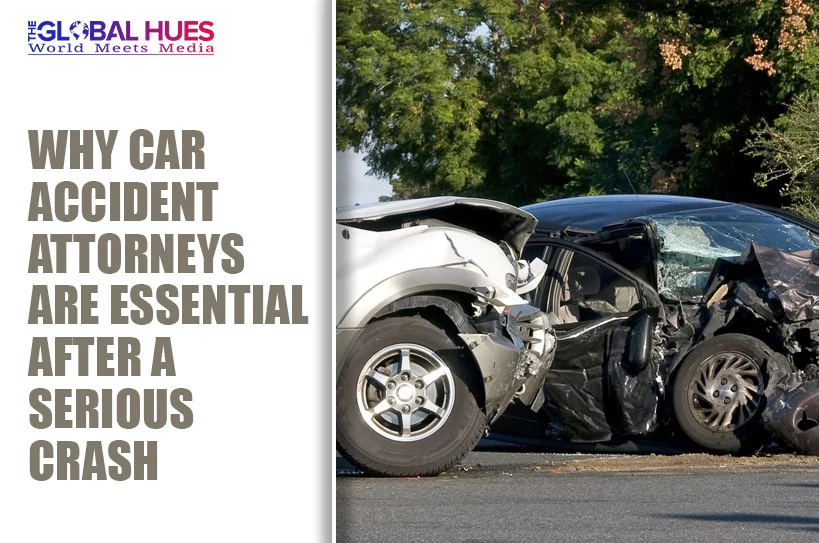
Greenville’s busy streets, growing neighborhoods, and daily commuter routes make driving part of nearly every routine, from work and school drop-offs to errands along familiar roads. When a serious crash happens, that ordinary movement can suddenly become a source of pain, financial strain, and uncertainty about what comes next.
Injured people may need answers about medical care, missed income, vehicle damage, and whether the insurance process will treat them fairly. In a city where traffic patterns and local conditions can shape the story of a wreck, experienced legal guidance can be essential. Car accident attorneys in Greenville help injured residents understand their options and protect the value of their claim. With the right support, crash victims can focus on healing while their legal team works to pursue accountability and fair recovery.
Early Steps Matter
The first week after a wreck often shapes the entire case. Vehicle debris is cleared, bruising changes color, and witness memories lose precision. For that reason, many families seek guidance from car accident attorneys soon after a high-impact collision. Prompt legal help can preserve photographs, crash data, treatment records, and careful timelines before gaps appear and questions become harder to answer.
Liability Is Rarely Simple
What looks obvious at the roadside may not survive close review. One driver may have drifted across a lane, while another was speeding or looking at a phone. Road design, poor lighting, worn tires, or faulty brakes can also shape a fault. Attorneys examine reports, video, black box data, and witness statements. That detailed review shows how the impact occurred and why responsibility may be shared.
Injuries Reach Beyond the Emergency Room
Emergency treatment addresses immediate danger, yet serious injuries often continue long after discharge. A crushed wrist may need surgery, then occupational therapy. Concussions can bring headaches, nausea, light sensitivity, and slowed thinking. Neck trauma may disturb sleep for months. Psychological symptoms also matter, including panic, irritability, and fear during travel. Attorneys work with records that connect those physical and emotional effects to the collision and its lasting cost.
Insurance Companies Protect Their Own Interests
Insurance adjusters may sound helpful, but their job involves limiting payouts. An early call can be used to pin down facts before swelling, nerve pain, or cognitive symptoms fully appear. Fast offers can look appealing when income has stopped and prescriptions are expensive. Attorneys handle those exchanges, review policy language, and challenge weak valuations. That buffer helps injured people avoid decisions made under stress or incomplete medical information.
Damages Must Be Calculated Fully
Serious crashes create losses that extend far past car repairs. Medical expenses may include imaging, orthopedic visits, rehabilitation, medication, mobility equipment, and future procedures. Income loss can involve missed shifts, reduced hours, or permanent work restrictions. Some injuries also reduce endurance, grip strength, concentration, or driving ability. Attorneys assemble those categories into a clear demand so the claim reflects the full effect of the collision.
Cases Need Proof, Not Assumptions
Strong injury claims depend on evidence that holds up under scrutiny. Pain complaints are more credible when imaging, physician notes, pharmacy records, and therapy charts support them. Employment files help show missed wages or reduced capacity. Repair estimates and photographs explain crash force. Attorneys organize those materials into a coherent timeline. That preparation often improves settlement discussions and leaves the case ready if litigation becomes necessary.
Deadlines Can End a Valid Claim
Time limits matter in every injury case. Once a filing deadline passes, even a strong claim can be lost. Delay also weakens proof before any legal cutoff arrives. Surveillance footage gets erased, vehicles are sold, and witness contact information changes. Attorneys track required dates and move the matter forward while medical care continues. That structure is especially useful when pain, appointments, and paperwork already consume a household’s attention.
Serious Crashes Affect Families Too
A major collision rarely harms one person alone. Partners may take unpaid leave to help with bathing, dressing, meals, or transportation. Parents can struggle to lift children or manage school routines after rib, back, or leg injuries. In fatal cases, survivors may face burial costs and the sudden loss of household income. Attorneys help document those wider consequences so the claim reflects the family’s actual burden.
Trial Readiness Changes Negotiations
Many claims settle outside court, yet preparation for trial still matters. Insurers assess risk by looking at evidence quality, witness credibility, and the likelihood that a lawyer will press forward. A well-prepared case can change those calculations. Attorneys who can question experts, challenge defense theories, and present damages clearly often create stronger settlement pressure. Readiness signals that a low offer may not end the dispute.
Conclusion
After a serious crash, legal representation serves a practical medical and financial purpose. Attorneys protect evidence, monitor deadlines, evaluate long-term harm, and manage insurer tactics that can shrink recovery. Their involvement also gives injured people more space for treatment, rest, and family care. In severe cases, that support helps connect the record of injury to the real cost of healing, lost income, and lasting change.
(DISCLAIMER: The information in this article does not necessarily reflect the views of The Global Hues. We make no representation or warranty of any kind, express or implied, regarding the accuracy, adequacy, validity, reliability, availability or completeness of any information in this article.)
Must Read:
- Your Custom Home – Careful Considerations
- Innovative Interior Design Trends To Refresh Your Home
- How to Choose Living Room Furniture That Stands Up to Active Lifestyles