
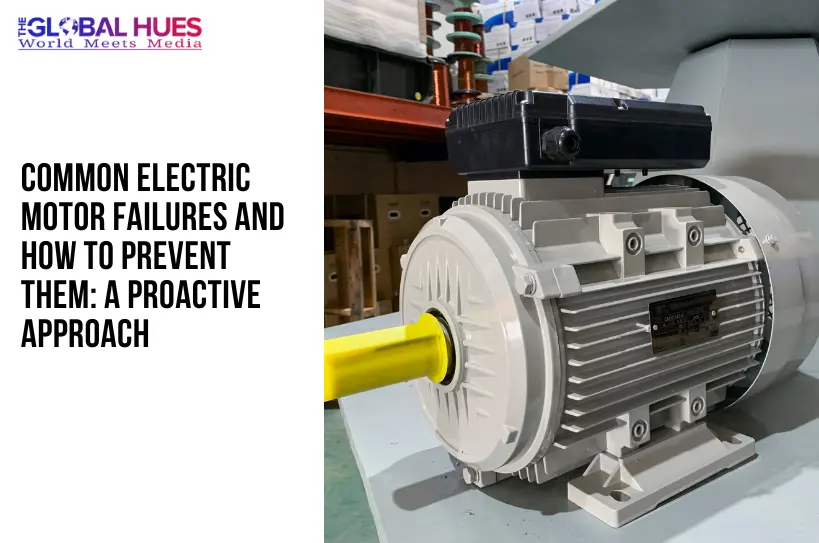
Boat electric motors are reliable and low-maintenance, but still have some limitations. The majority of the problems can be prevented with basic care and attention. You need to understand what can go wrong and how to avoid the situation from becoming serious.
Here are some common issues with boat electric motors and their solutions.
-
Battery connection issues
Battery connection problems are the most common kinds of electric motor issues. Damaged cables, corroded contacts, and loose terminals can hamper power delivery. You will thus have a motor that won’t start or run intermittently.
Start monthly inspections by checking the battery terminals for any build-up. This leads to corrosion forming. Use a wire brush to clean the terminals thoroughly. Try to create a barrier against future corrosion.
Tighten all the connections firmly, but avoid over-tightening. Ensure that the cables have no cuts, fraying, or exposed wiring. If you find that some wires are damaged, replace them without any delay.
-
Corrosion in marine environments
Saltwater speeds up the corrosion process. Freshwater leads to oxidation over time. Electric boat motors are often corroded on exterior surfaces, in internal cooling systems, and at electrical connections. You cannot prevent this completely, but you can reduce its severity.
To save your boat motor, rinse it with fresh water after every use. Make sure you have completely removed debris and salt deposits. For saltwater boaters, use marine-grade anti-corrosion spray on electrical connections and external surfaces.
When not in use, tilt the motor up. When the lower unit remains submerged for a long time, it leads to marine growth and corrosion.
-
Debris and propeller damage
Your boat’s propeller is affected by fishing line, weeds, and underwater debris over the years. A worn-out or damaged propeller reduces performance and puts additional stress on the motor. This leads to mechanical failure or overheating.
During active boating season, remove and inspect the propeller monthly for a better experience. Check for a tangled fishing line around the shaft, or for cracks, bends, and dings in the blades.
While reinstalling the propeller, apply some marine grease to the shaft. This prevents corrosion. See that the alignment pin is straight and secure.
-
Seal and gasket deterioration and overheating problems
Seals and gaskets protect motor components from water intrusion. Check the seals during the monthly propeller inspection and look for cracks, visible deterioration, and hardening. Lubricate the seals and O-rings with silicone-based marine lubricant during maintenance.
When properly maintained, electric motors hardly overheat. Overheating can cause a complete shutdown or automatic power reduction. Ensure the cooling vents are free of marine growth and debris. Experts from companies like furthercustoms.com suggest not running the motor at maximum power continuously. Do not do this in hot weather, as this increases the risk of overheating.
Summing it up
The majority of electric motor failures can be prevented with regular attention and care. Monthly inspections and regular care after each outing can help detect problems early on. This helps prolong the motor lifespan and also reduces repair costs. Make sure that you do all these.
(DISCLAIMER: The information in this article does not necessarily reflect the views of The Global Hues. We make no representation or warranty of any kind, express or implied, regarding the accuracy, adequacy, validity, reliability, availability or completeness of any information in this article.)
Must Read:
- Why AC Motors Are Critical to Your Business: What SMEs Need to Know
- Mary Barra: Driving General Motors into the Future
- AC and DC Electrical: Electrical Mastery Redefined
- Electric Cars: Apple to enter in the race