
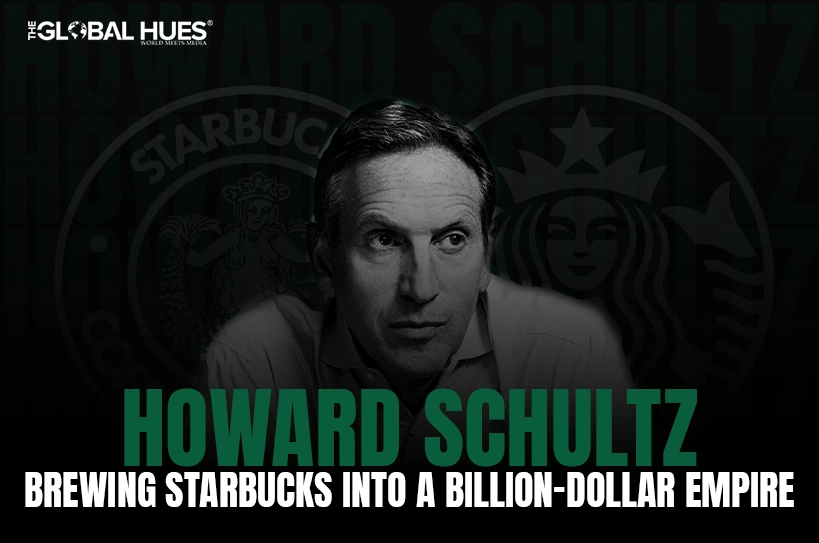
Starbucks is credited as the world’s largest coffeehouse chain and Howard Schultz was the visionary behind turning Starbucks into a multi billion dollar company and leading it as CEO for several years. Schultz was born in Brooklyn, New York, on July 19, 1953.
Schultz first encountered Starbucks in 1982 when he took up the post of director of retail operations and marketing. Howard was fascinated with espresso bars after traveling to Italy, which motivated him to try bringing the culture to the United States.
Introduction to Starbucks
A small company named Starbucks Coffee, Tea and Spice started ordering drip coffee makers from a Seattle based retailer in 1981,which Schultz happened to come across. This retailer used to operate four stores that sold whole bean coffee and coffee equipment. Jerry Baldwin and Gordon Bowker, the owners of the company, were friendly yet astute people, but their vision was limited since they didn’t brew coffee at their stores.
Schultz’s curiosity led him to travel to Seattle to engage in discussions with the owners, which was followed up by him purchasing a large number of coffee makers. Starbucks was interested in it.
Schultz became the head of marketing and operations at Starbucks, which was a lucrative opportunity for his caliber. His primary goal has always been to modernize the operational activities of Starbucks in a way that would be beneficial for their future. During his visits, Schultz developed a deep admiration for the devotion shown by the company towards their services, alongside the service quality they provided.
Inspiration from Italian Coffee Culture
The vibrancy of Italians coffee culture Schultz witnessed when he visited Italy during his business trips in 1983 is where the foundation of Starbucks social cafes began. It was the espresso bars and the Italians themselves who served as a social hub, focused on spending time with one another, that inspired Schultz.
The motivation Schultz had to revolve around changing Starbucks from only a coffee shop to something like a French cafe in America, where people could come,hangout and reorder anything with the word “coffee” in it. However, this vision was quelled by the fact that the owners of Starbucks Coffee refused to move beyond their business model of servicing coffee beans.
Early Years and Vision
Baldwin and Bowker, the owners of Starbucks, did not want to spend the money on an espresso machine and were unfamiliar with espresso. Because of this, Schultz was unable to succeed at selling espresso based drinks at Starbucks. This led Schultz to leave Starbucks and try to turn his vision into a reality on his own.
Founding Il Giornale
In 1986, Schultz began operating what are now referred to as Il Giornale Stores. These were intended to be specialty coffee shops that resembled Italian espresso bars. Despite facing a multitude of investor rejections, Schultz was able to secure the funds. At Il Giornale, Schultz aimed to capture an Italian coffeehouse atmosphere in America with opera music, ice cream and limited seating.
Acquiring Starbucks
Two years after founding Il Giornale, Schultz was able to buy Starbucks from its original proprietors for $3.8 million. He merged Il Giornale with Starbucks and rebranded every location as Starbucks. This marked the start of Starbucks aggressive expansion with Schultz at the helm.
Expansion and Innovation
Schultz’s strategy centered on a tailored approach to customer service around coffee retailing, emphasizing customers enjoyment of quality coffee and a welcoming environment. Starbucks locations were all managed directly to maintain consistency, rather than franchising. The firm, Starbucks, went public, offering an initial public offering (IPO) in 1992, substantially increasing their available capital, which fueled growth.
Global Expansion
Starbucks witnessed rapid expansion through Schultz’s guidance, both within the U.S. and internationally. Schultz was crucial to the development of coffee culture in new regions like China, which had historically been a tea dominant market. In his second term as CEO, starting in 2008, Schultz underwent some strategic reorganization, followed by the firing of digital innovations like the Starbucks Rewards Card.
Leadership and Legacy
Schultz was the Principal Executive Officer of Starbucks from 1986 to 2000 and again from 2008 to 2017. He also served as the acting top manager for a three month period from 2022 to 2023. His leadership practices focused on the satisfaction of employees as well as the experience of the customers, which helped positively impact the long term growth of Starbucks.
Challenges and Future Directions
Although Schultz’s immense impact on these areas and customer loyalty are two most important legacy that Starbucks is known for, every company has areas that pose problems. In relation to Starbucks this comes in the form of stagnant new store sales or remaining number of sales in existing stores, and attempts by workers to set up a strong labor union.
Innovations and Digital Transformation
Under Schultz’s renewed leadership, Starbucks embraced innovation and digital transformation. The company started the Starbucks Rewards loyalty program, which encouraged repeat business and increased customer loyalty. Also, Starbucks worked on mobile technology that enables customers to order and pay through their smartphones, improving efficiency and convenience.
Schultz also led initiatives to improve employee benefits by providing stock options and healthcare plans, even to part time employees. These steps enhanced employee satisfaction and helped shape the company’s image as a socially responsible employer.
Social Responsibility and Ethical Sourcing
Schultz enforced ethical corporate responsibility policies with sustainability practices for sourcing materials used in Starbucks services. He pioneered fair trade coffee sourcing, which permitted coffee farmers to obtain higher wages and improved working conditions. Starbucks also funded community projects that promoted education and healthcare services.
The company focused more on environmental initiatives by encouraging the use of reusable cups and decreasing carbon emissions. Schultz was active in social justice causes supporting discrimination on the basis of race and sex.
Conclusion
Howard Schultz’s vision and leadership made Starbucks a global phenomenon, transformed the coffee industry and turned it into a cultural icon. His relentless desire for quality, customer experience and employee satisfaction has been crucial to the enduring success of Starbucks. As the company continues to grow, Schultz’s legacy will always be the backbone towards future innovations and growth.
Must Read:
- Can Manifestation Turn Your Dreams Into Reality?
- Flexibility at Its Best: Why Readers of Every Age Love E-Libraries
- Top 10 E-Readers: Make Your Reading Sessions Enjoyable