
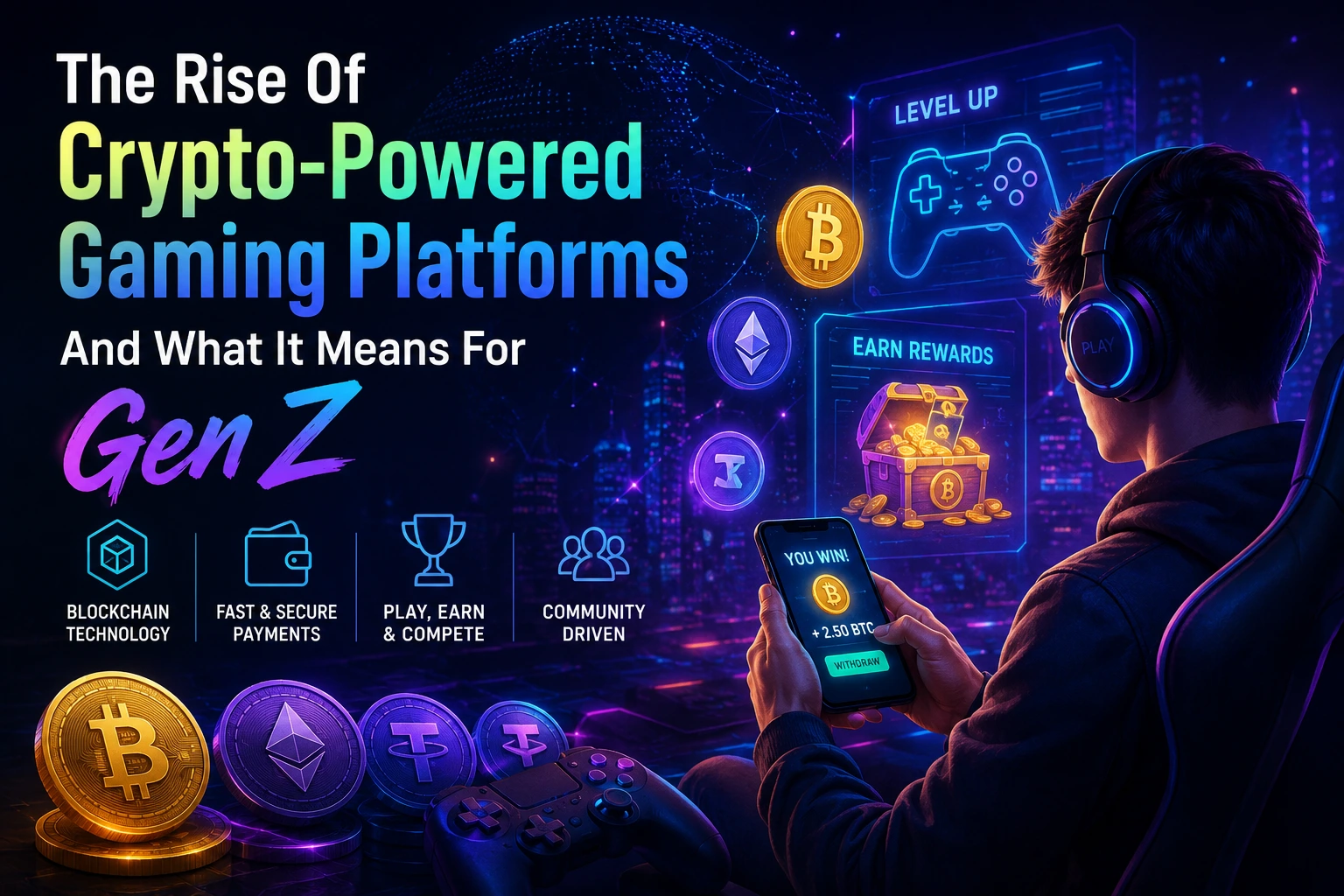
Gen Z grew up with digital money, online games, and instant rewards. Crypto-powered gaming brings those habits into one place.
These platforms do more than host games. They mix play, payments, social features, and rewards. A player can join a game, use crypto, earn perks, and move between features without leaving the platform.
For Gen Z, this feels natural. They already treat the internet like a second home. They stream, trade, chat, shop, and play on the same screen. Crypto gaming fits that pattern.
Platforms such as BC.Game show how this shift works in practice. They combine gaming with crypto tools, fast payments, reward systems, and community features. The result is not just a game site. It is a digital entertainment hub.
This change matters because Gen Z does not want slow systems. They expect speed, choice, and control. Crypto-powered gaming speaks that language.
It also raises new questions. How safe are these platforms? How fair are the games? How should young users think about risk, money, and time online?
To understand the rise of crypto gaming, we need to look at the forces behind it: technology, behavior, trust, and Gen Z’s demand for more interactive digital spaces.
Why Gen Z Is Drawn To Crypto Gaming Platforms
Gen Z does not separate gaming from digital life. For them, games work like social spaces. People meet there, compete there, and spend money there.
Traditional gaming platforms often feel slow and closed. Crypto-powered platforms move faster. They support instant payments, digital assets, and flexible reward systems.
That matters to younger users. Gen Z grew up with one-click purchases and live updates. Waiting days for a withdrawal feels like standing in a long line at a bank while everyone else pays with a phone.
Crypto gaming also adds a sense of ownership. In many traditional games, players spend money but own nothing outside the platform. Crypto changes that model. Digital assets can move between wallets, platforms, or marketplaces.
Community plays a major role as well. Modern gaming platforms act like online cities. Users join tournaments, chat in real time, and compete for rewards. Platforms like bcgame use this model to keep players active through events, crypto features, and community-driven interaction.
Mobile access pushes this growth even further. Gen Z lives on mobile devices. Crypto gaming platforms understand this. They build systems that work fast on phones, with simple interfaces and quick transactions.
The appeal is not just about money. It is about speed, control, and interaction. Crypto gaming gives users an environment that feels alive, responsive, and connected to the wider digital economy.
How Blockchain Technology Changes Online Gaming
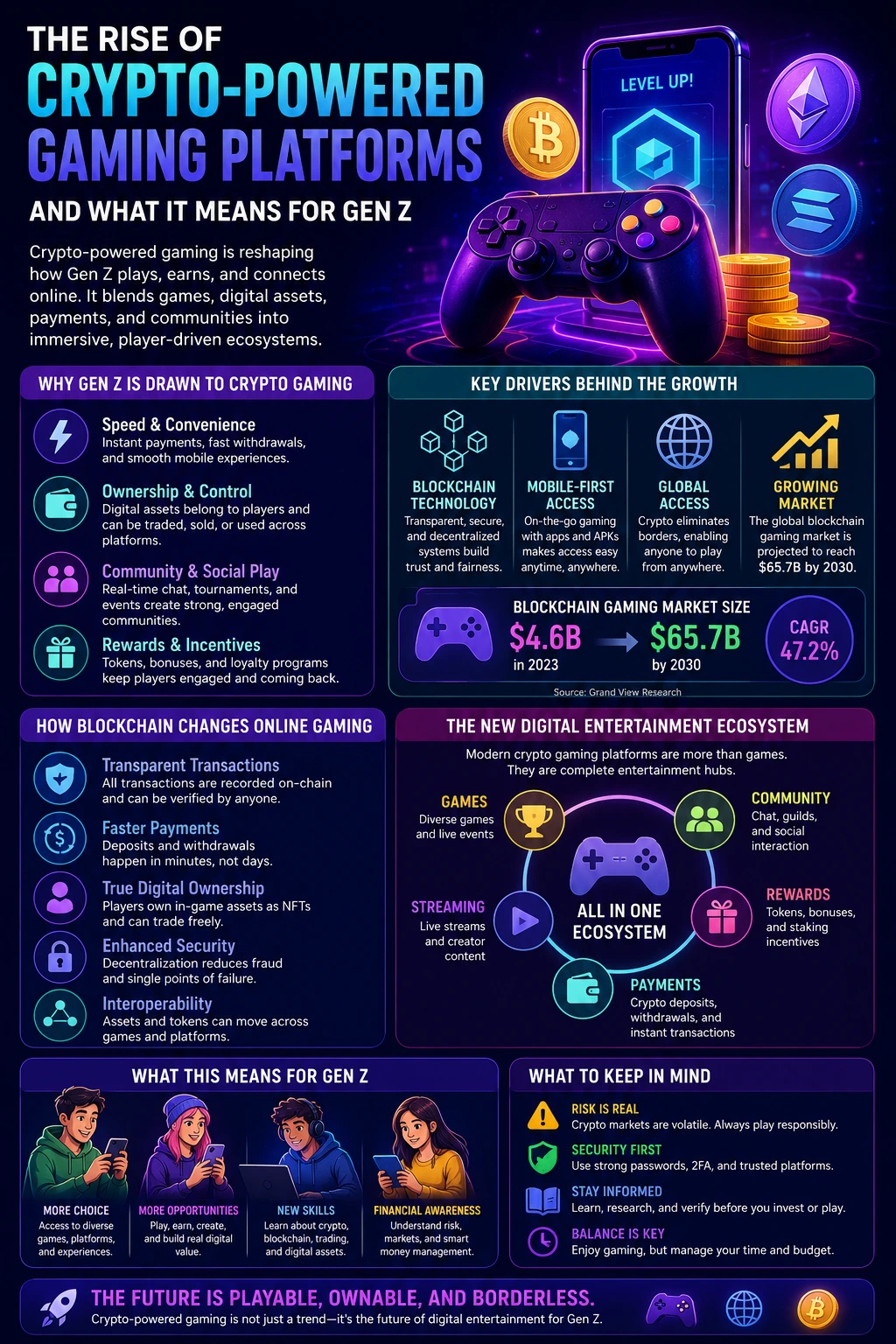
Blockchain changes the structure of online gaming in the same way online banking changed finance. It removes layers, speeds up transactions, and gives users more direct control.
In traditional gaming systems, the platform controls almost everything. Payments pass through banks. Rewards stay locked inside the platform. Transaction records often remain hidden from users.
Crypto-powered gaming works differently. Blockchain records transactions on a public ledger. This creates a system that users can verify instead of simply trusting.
For Gen Z, transparency matters. They grew up checking reviews, ratings, and live feedback before making decisions. Blockchain fits that mindset because it leaves a visible trail.
Crypto gaming platforms use blockchain technology in several practical ways:
- Fast Deposits And Withdrawals
Crypto payments can move in minutes instead of days. - Transparent Transaction Records
Users can verify transfers and wallet activity on-chain. - Global Access
Players from different countries can use the same digital currency system. - Digital Asset Ownership
Certain platforms allow users to control in-game assets through crypto wallets. - Reward Systems
Platforms can distribute bonuses, tokens, or incentives directly to users.
This technology also changes trust. In older systems, trust worked like a sealed black box. Users pressed buttons and hoped the system worked fairly. Blockchain opens parts of that box.
That does not remove risk. Crypto markets still move fast. Security still matters. Scams still exist. But the technology gives users more visibility into how platforms operate.
For gaming companies, blockchain creates new business models. They can build ecosystems instead of simple game libraries. Payments, rewards, tournaments, and community activity can all connect through one digital infrastructure.
That shift explains why crypto-powered gaming continues to grow among younger users who already think in digital-first terms.
The Shift From Games To Digital Entertainment Ecosystems
Online gaming platforms no longer focus only on games. They now compete to hold attention for hours at a time. That changes the entire business model.
A modern crypto gaming platform works more like a shopping mall than a single store. Users move between games, chats, events, rewards, livestreams, and promotions without leaving the ecosystem.
This model fits Gen Z behavior. Younger users rarely use the internet in a straight line. They jump between entertainment, messaging, video, and payments within seconds.
Crypto platforms build around that habit. They combine gaming with social interaction and digital finance in one environment.
Industry analyst Matthew Ball described this broader shift clearly:
“The next era of the internet will be more persistent, interconnected, and user-driven.”
That idea explains why crypto gaming feels larger than traditional online casinos or gaming websites. These platforms aim to create digital spaces where users stay active, connected, and financially engaged.
Reward systems play a major role in this strategy. Daily bonuses, loyalty programs, tournaments, and token-based incentives keep users returning. The structure works like a fitness app counting steps. Small rewards create habits over time.
Streaming culture also pushes growth. Many Gen Z users discover gaming platforms through creators, influencers, and online communities rather than direct advertising.
This creates a feedback loop:
- Streamers attract attention.
- Communities form around games.
- Platforms reward activity.
- Users invite other users.
- The ecosystem grows stronger.
Crypto adds another layer because users can move value quickly inside the system. A reward is no longer just points on a screen. It can become a transferable digital asset.
That shift turns gaming platforms into broader digital economies built around participation, speed, and constant interaction.
Mobile Access Is Driving The Next Wave Of Growth

Mobile devices sit at the center of Gen Z’s digital habits. Most users no longer wait to reach a desktop computer. They expect entertainment to move with them at all times.
Crypto-powered gaming platforms understand this shift. They design systems for fast loading, quick payments, and smooth navigation on smaller screens.
This matters because attention works like flowing water online. If a platform feels slow or confusing, users leave within seconds.
Mobile apps and APK versions help reduce friction. Users can access games, wallets, rewards, and live events directly from a phone without relying on a browser experience.
Platforms such as bcgame apk reflect this mobile-first strategy. They allow users to enter the platform quickly, manage crypto transactions, and interact with gaming features from almost anywhere.
Push notifications strengthen engagement even further. A tournament alert or bonus reminder can pull users back into the platform within seconds. Social media apps use the same mechanism every day.
Convenience also shapes trust. Younger users often judge a platform by how smooth the experience feels:
- Does the app load fast?
- Are payments simple?
- Can users switch between features easily?
- Does the interface feel modern?
- Are rewards visible and easy to track?
When these elements work together, the platform feels active and reliable.
Mobile access also expands the global reach of crypto gaming. In many regions, users may not own powerful computers, but they do own smartphones. That lowers the barrier to entry and brings more users into the crypto gaming economy.
For Gen Z, mobile gaming is not a side activity. It is the main gateway into digital entertainment.
Conclusion
Crypto-powered gaming platforms grew because they match the habits of a digital-first generation. Gen Z expects speed, interaction, and constant access. Traditional systems often struggle to deliver that experience.
Blockchain technology changed the structure behind online gaming. It introduced faster payments, visible transaction records, and new forms of digital ownership. Mobile access pushed this trend even further by making platforms available at any moment.
At the same time, gaming platforms evolved into larger entertainment ecosystems. They now combine gaming, social interaction, rewards, streaming culture, and digital finance in one place.
For companies in this space, the challenge is no longer just attracting users. The real challenge is holding attention in an internet economy built around endless choice.
Platforms that succeed will likely focus on three things:
- Fast And Simple User Experience
- Strong Community Features
- Transparent And Flexible Digital Systems
Gen Z responds to platforms that feel active, responsive, and easy to navigate. They value convenience, but they also notice friction quickly.
Crypto gaming still faces questions around regulation, security, and long-term sustainability. The industry continues to evolve at high speed. Some platforms will disappear. Others will adapt and expand.
What remains clear is this: crypto-powered gaming is no longer a niche trend. It has become part of a broader shift in how younger users spend time, move money, and interact online.
For Gen Z, digital entertainment is not separate from daily life. It is woven into it.
(DISCLAIMER: The information in this article does not necessarily reflect the views of The Global Hues. We make no representation or warranty of any kind, express or implied, regarding the accuracy, adequacy, validity, reliability, availability or completeness of any information in this article.)
Must Read:
- Your Custom Home – Careful Considerations
- Innovative Interior Design Trends To Refresh Your Home
- How to Choose Living Room Furniture That Stands Up to Active Lifestyles