
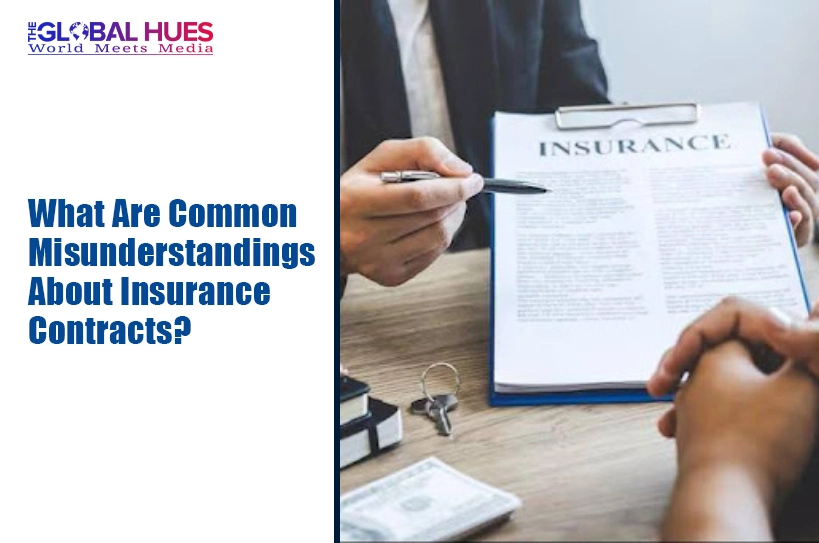
Insurance contracts are agreements between a person and an insurance company. They promise to help pay money if something bad happens, like a car accident or damage to a house. These contracts can be difficult to understand because they contain complicated words and rules.
To understand insurance better, it helps to know the principles of insurance. These are important rules that guide how insurance works, like sharing risks and telling the truth. Knowing these principles can help you avoid mistakes and understand what your contract really means.
What Is an Insurance Contract?
An insurance contract is a written agreement between you and the insurance company. You pay the company a set amount of money, called a premium, and in return, the company promises to help pay for certain types of loss or damage, depending on your plan.
Common Misunderstandings About Insurance
Insurance Covers Everything
Many think insurance will pay for every problem that comes up. This is not true. Every insurance policy has rules called exclusions. These are things your plan will not pay for. For example, homeowners’ insurance might not pay for damage caused by certain natural disasters like floods. Always read what is included and what is not.
My Claim Will Always Be Paid
Some people are surprised when the insurance company rejects or denies their claim. Claims can be denied if the problem is not covered by your plan or if you did not follow the rules in your contract. For instance, if you wait too long to report damage, your claim could be turned down.
My Insurance Rate Will Never Change
A lot of people think their premiums will always stay the same. But insurance costs can go up or down every year. This might happen if you have made several claims, have changed your coverage, or if the insurance company changes its prices for everyone in your area.
I Don’t Need Insurance Because I’m Healthy or Young
Many young or healthy people skip buying insurance, thinking nothing bad will happen to them. But accidents and illnesses can happen to anyone, anytime. Having insurance protects you from high bills and unexpected costs if something happens.
Insurance Is Too Expensive and Not Worth It
Some individuals believe that paying for insurance is pointless if they never have to make a claim. However, the purpose of insurance is to provide financial protection in emergencies. Think of it like wearing a seatbelt in a car: you hope you never get into an accident, but if you do, you’ll be glad you had the seat belt on to keep you safe. Insurance works in the same way; it offers peace of mind and support when unexpected situations arise.
I Can Cancel Anytime and Get All My Money Back
People often believe they will get a full refund if they cancel a policy midway through the year. In truth, you might not get all your money back. Insurance usually works every year, and there can be penalties or reduced refunds for canceling early because the company has already offered protection for part of the year.
My Employer’s Insurance Is Always Enough
Relying only on group insurance from work may not give you all the protection you need. Group policies may not include all aspects of coverage and could become invalid if you switch jobs. It’s a good idea to look at what you have and ask if it is enough for you and your family.
Key Takeaways
- An insurance contract does not cover everything.
- Not all claims are accepted; follow the rules set in your plan.
- Premium rates can change each year depending on different factors.
- Even young and healthy people need some form of insurance.
- Insurance is protection for what might happen, not just for what is happening now.
- Canceling early does not always mean getting all your money back.
- Employer insurance might not be enough coverage for your needs.
(The information in this article does not necessarily reflect the views of The Global Hues. We make no representation or warranty of any kind, express or implied, regarding the accuracy, adequacy, validity, reliability, availability or completeness of any information in this article.)
Must Read:
- Kansas City Pedestrian Rights: When to Call a Personal Injury Lawyer
- Why an Experienced Personal Injury Lawyer is Essential for Your Queens PI Case
- How to File a Claim for a Whiplash Injury
- Why Having an Experienced NJ Car Accident Lawyer Can Make a Difference
- Why do long-term disability claims get denied, and how can a lawyer help?