
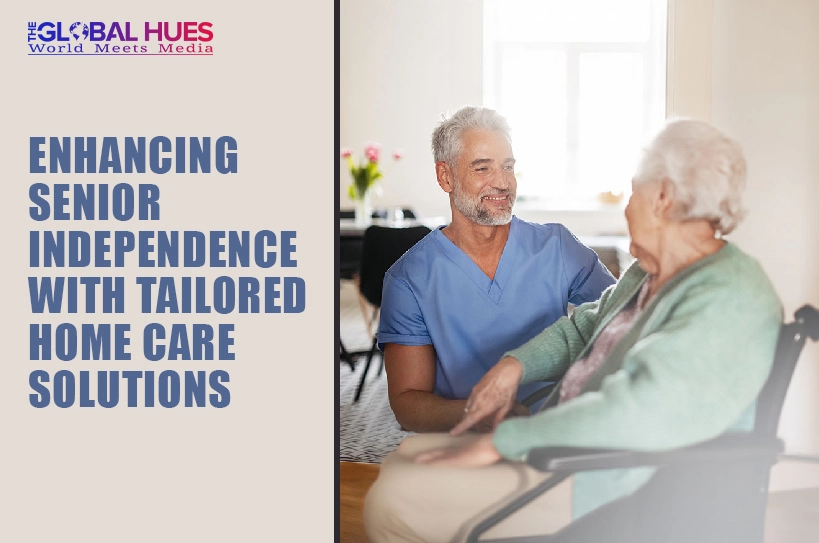
Aging well is not about surrendering autonomy to a system or facility. It’s about carving out the freedom to live on your own terms, with a safety net woven precisely to fit your life. Studies show that more than 75% of seniors prefer to remain in their homes, and those given personalized support are far more likely to achieve it. This is not a matter of sentimentality. It is survival with dignity. In the following sections, expect concrete insights, industry-backed intelligence, and zero fluff.
The Impact of Tailored Home Care Solutions on Senior Autonomy
Generic care plans flatten individuality. Tailored ones preserve it. When a senior’s needs are addressed through personalized methods, routine stays intact, dignity is protected, and life feels less interrupted. A targeted home care solution can stabilize emotional well-being, reduce hospital readmissions by up to 25% according to recent healthcare data, and keep the mind sharp through consistent engagement. Measurable outcomes matter here. Emotional stability means fewer anxiety spikes. Lower readmissions save thousands in medical bills. Continued independence leads to stronger community ties and deeper purpose. This is what makes the difference between simply surviving and truly living.
Assessing In-Home Care Services: Key Criteria to Prioritize
Not all in-home care services are created equal. Four criteria rise above the rest. First, certifications — verify them and demand proof of ongoing training from every care provider. Second, scheduling flexibility — rigid schedules create stress, while adaptable ones cater to unexpected changes in health or lifestyle. Third, cost transparency — hidden fees are a red flag, so examine every line of a proposed agreement. Fourth, cultural fit — communication styles, values, and routines should align to avoid friction. Always compare at least two providers to expose hidden weaknesses and uncover strengths that marketing can’t disguise.
Crafting a Comprehensive Home Care Plan with Collaborative Input
A truly successful home care plan begins with every stakeholder in the room. The care recipient sets personal goals, family members offer support boundaries, and medical professionals define clinical needs. When these voices align, progress becomes inevitable. Picture this: a senior recovering from knee surgery has a plan that includes twice-daily mobility exercises, weekly telehealth check-ins, and pre-scheduled grocery deliveries. The family tracks milestones on a simple template with goals, tasks, and checkpoints clearly defined. Communication channels stay open, with regular plan reviews adapted to changing needs. It’s efficient, predictable, and deeply personal.
Leveraging Home Care Technology to Enhance Daily Support
Home care technology is only as good as its integration into daily life. Telehealth consultations offer rapid access to medical expertise but can lack the personal touch of in-person visits. Medication reminders keep adherence rates high, yet alarms too frequent can become background noise. Remote monitoring sensors can detect falls or unusual patterns, though they raise privacy questions. The key is deploying each in moderation. Install only what fits the senior’s comfort level. Keep interfaces simple. Make every tool a genuine aid, not an intrusive presence. Technology should serve the person, not dominate them.
Recognizing Quality in Home Caregiver Expertise and Communication
Finding the right home caregiver is part skill, part intuition. A licensed nurse brings advanced medical capability, while a certified aide might offer unmatched consistency in daily routines. Soft skills like empathy and active listening can turn a functional arrangement into a genuinely supportive one. Don’t accept vague claims. Ask direct interview questions about handling emergencies, adapting to mood changes, or supporting mental engagement. Check references rigorously. Observe a trial visit to watch how natural — or forced — the interaction appears. In this space, competence without compassion is not enough.
Actionable Next Steps for Partnering with a Trusted Home Care Provider
Strong outcomes demand decisive moves. First, commit to thorough research using credible sources. Dive into provider track records and match them against your priorities. Next, conduct pointed interviews with potential partners, testing both their expertise and their adaptability. Finally, implement a short trial engagement to measure compatibility before locking in long term.
If you are evaluating providers locally, you can explore home care Charleston SC for a benchmark in trained personnel and client-focused service. Regardless of location, credentials must be verified, past client feedback should be dissected for patterns, and a review timeline should be established to refine the care plan over time. Independence is sustained not by chance but through deliberate, strategic partnerships. Build a network that can evolve alongside your needs and you will preserve control over life’s trajectory long after others expect you to concede it.
(DISCLAIMER: The information in this article does not necessarily reflect the views of The Global Hues. We make no representation or warranty of any kind, express or implied, regarding the accuracy, adequacy, validity, reliability, availability or completeness of any information in this article.)
Must Read:
- How Senior Assistance Programs Help Aging Adults Thrive
- Elderly Living Communities: What You Need to Know First
- Top Hidden Getaways for a Perfect Work Detox
- Top 10 Herbal Teas for Detoxification
- Top 10 Detox Juices You Must Try in 2025