Modern enterprises are undergoing a profound operational evolution, actively pivoting away from the single-minded pursuit of short-term quarterly yields to embrace a broader philosophy of corporate responsibility. Executives and institutional investors are increasingly recognizing that long-term enterprise viability requires a steadfast commitment to radical transparency, rigorous environmental stewardship, and proactive consumer wellness. Within the global home goods and decor sector, this macro trend is manifesting as an aggressive re-evaluation of legacy procurement and manufacturing methodologies. Corporate buyers and everyday conscious consumers are no longer willing to accept opaque supply chains that rely on hidden synthetic additives, petrochemicals, and unsustainable material streams. Instead, they are utilizing their purchasing power to demand absolute supply chain integrity from the brands they support. This market pressure is forcing traditional manufacturers to abandon historical shortcuts and fundamentally redesign their operational infrastructure to meet elevated ethical standards. Companies that fail to disclose their sourcing origins or operational impacts are rapidly losing market share to agile, mission-driven enterprises. This transition represents a permanent structural shift in conscious commerce, establishing a new baseline where ecological health and commercial viability are inextricably linked across every single market segment we serve today. Ultimately, the evolution of consumer awareness demands that businesses act as stewards of the planet. Conscious consumerism is permanently reshaping market dynamics, ensuring that sustainability remains the core pillar of future enterprise strategy across all international borders without any exceptions forever right now today.
Redefining Industry Standards through Supply-Chain Transparency
The economic and ethical liabilities of legacy manufacturing frameworks have become impossible for modern stakeholders to ignore. Historically, mass produced home goods relied heavily on cheap, undisclosed industrial fillers and hazardous chemical plasticizers designed to cut production costs at the expense of end user health. These conventional supply chains operate through disjointed, opaque networks that obscure the true environmental and human toll of mass manufacturing. In sharp contrast, independent, mission driven workshops are aggressively disrupting this stagnant market by proving that scaling production does not necessitate sacrificing material integrity or ethical responsibility. These forward thinking operations maintain absolute oversight over every stage of development, ensuring that raw material inputs are ethically harvested, fully disclosed, and rigorously tested for safety. By establishing direct, collaborative relationships with primary agricultural producers and botanical processors, these ethical workshops eliminate the risks associated with third party vendor ambiguity. Furthermore, corporate purchasers are actively integrating eco-friendly home fragrance options into their procurement strategies, establishing a progressive benchmark for sustainable living spaces and eco conscious workspaces that favorably elevate indoor air quality. This uncompromising dedication to operational visibility holds the entire manufacturing sector accountable, encouraging traditional legacy corporations to re engineer their supply networks and embrace an era of genuine corporate transparency across the board. True market leadership requires courage, conviction, and an unwavering commitment to doing what is right for both people and the environment. The modern consumer rewards authenticity with long term loyalty every single time now forever.
Setting New Benchmarks for Ingredient Literacy
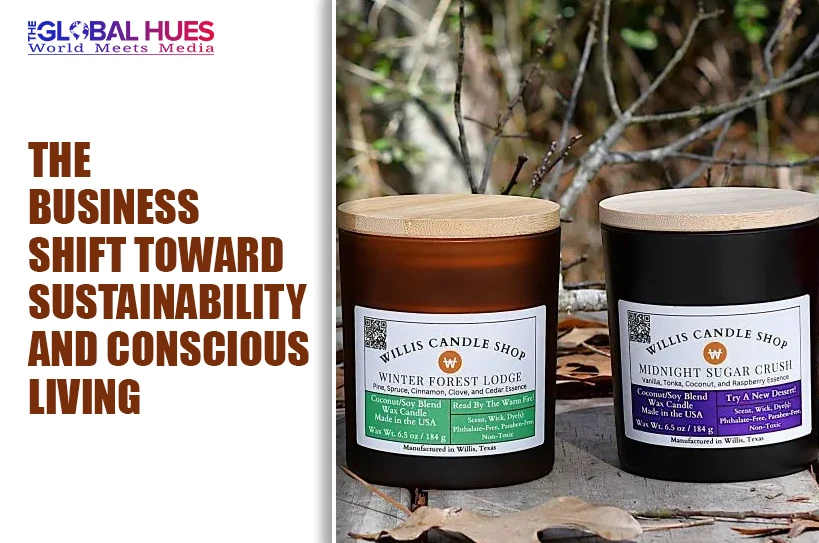
Achieving true sustainability at scale requires uncompromising technical oversight, particularly within the home goods and lifestyle manufacturing sector. Manufacturing high caliber consumer goods necessitates a reliable 79/19/2 wax matrix composed of sustainable American soy, premium coconut wax, and natural beeswax, entirely enforcing strict non-toxic production and zero paraffin parameters throughout the facility. This rigorous material science standard ensures that manufacturing operations completely bypass petroleum byproducts, thereby safeguarding indoor air quality across commercial offices and residential living environments alike. Traditional commercial operations frequently rely on unrefined paraffin and artificial chemical stabilizers, which release heavy carbonaceous soot and volatile organic compounds directly into enclosed spaces when burned. Such emissions present severe respiratory hazards and undermine the fundamental objectives of workplace wellness and domestic health. To counter this industrial negligence, discerning corporate buyers and procurement managers are explicitly sourcing non-toxic candles to ensure complete ingredient literacy and chemical safety for their employees and clientele. By requiring full disclosure of all botanical components and wicking materials, these organizations establish an elite regulatory benchmark for indoor atmospheric purity. This disciplined approach to material composition fundamentally redefines corporate integrity, proving that commercial scale manufacturing can coexist harmoniously with uncompromising environmental science, consumer safety, and modern regulatory compliance protocols. Ingredient literacy empowers individuals to make informed choices that directly support their personal health and safety. We must continue to educate the broader public on the hidden dangers of petrochemicals in everyday household products within our modern society right now forever.
Scaling Ethical Production for the Modern Market
The long term economic outlook for sustainable manufacturing clearly indicates that ethical production is no longer a peripheral corporate initiative; it is the primary driver of competitive advantage. Market data demonstrates that modern purchasing decisions are increasingly governed by stringent ecological criteria, brand authenticity, and clear supply chain accountability. Independent operations that apply disciplined, military level precision to their procurement logistics and quality control protocols are capturing substantial market share from legacy incumbents. These agile enterprises recognize that scaling ethical production requires continuous investment in technological innovation, rigorous auditing mechanisms, and genuine stakeholder engagement. By maintaining complete transparency regarding their manufacturing processes, they build enduring brand loyalty among an increasingly discerning demographic of conscious consumers and enterprise buyers. Looking ahead, the commercial landscape will belong exclusively to organizations that refuse to compromise on environmental health, social equity, or operational precision today. These industry leaders understand that profitability and sustainability are not mutually exclusive concepts, but rather mutually reinforcing pillars of modern corporate strategy. Ultimately, the systematic integration of ethical manufacturing principles across the home goods sector guarantees a more resilient, accountable, and prosperous future for the global economy, setting a permanent new standard for enterprise innovation worldwide. This transition toward conscious commerce will inevitably foster a more equitable and sustainable global ecosystem for all upcoming generations. We stand firmly at the dawn of a new industrial renaissance driven by integrity, transparency, and an absolute dedication to sustainable manufacturing excellence moving forward today.
(DISCLAIMER: The information in this article does not necessarily reflect the views of The Global Hues. We make no representation or warranty of any kind, express or implied, regarding the accuracy, adequacy, validity, reliability, availability or completeness of any information in this article.)
Must Read:
- Your Custom Home – Careful Considerations
- Innovative Interior Design Trends To Refresh Your Home
- How to Choose Living Room Furniture That Stands Up to Active Lifestyles