
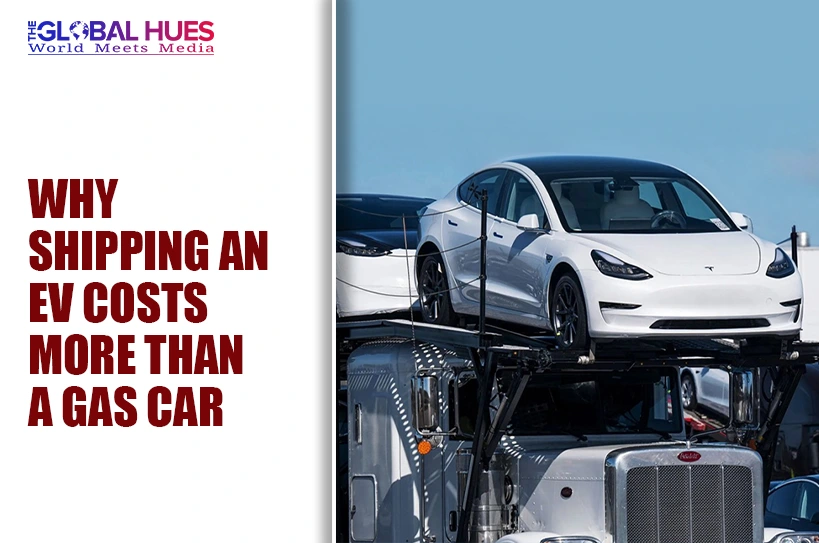
Nearly every aspect of the automotive business, particularly auto transportation, is changing due to the swift expansion of electric vehicles (EVs) in the United States. Shipping firms are adjusting to the particular needs that EVs bring to the transportation process as more customers, dealerships, auctions, and fleet operators shift to electric mobility.
Customers are increasingly asking the straightforward question, “Why is shipping an electric vehicle more expensive than shipping a conventional gasoline-powered car?”
The solution might not appear clear at first. Many EVs resemble gas-powered sedans and SUVs in terms of size. But beyond the surface, shipping costs are directly impacted by logistical, operational, safety, and equipment-related issues that electric vehicles bring.
Transporting EVs is more complicated than various people anticipate, from larger car weights and unique handling requirements to restricted charging infrastructure and insurance considerations. Car owners can make better judgments and get ready for interstate auto transportation by being aware of these factors.
This article examines the main reasons why EV shipping is frequently more expensive than gas car transportation in the US market, and the implications of this trend for auto logistics going forward.
The Growth of EV Shipping in the United States
The use of electric vehicles is still growing in the United States. EV registrations have dramatically increased over the past several years as manufacturers boost production and consumers seek lower running costs and decreased pollution, according to reports from the automobile industry and the U.S. Department of Energy.
Due to this increase, there is now a greater need for car transportation services, particularly for:
- Interstate EV purchases
- Online dealership sales
- Auto auctions
- Fleet relocations
- Seasonal relocations
- Military and corporate moves
Transport providers must take into consideration battery systems, charging levels, extra weight, and manufacturer handling guidelines when transporting EVs, in contrast to conventional automobiles. These factors affect total operating expenses, routing efficiency, and carrier availability.
To properly handle electric vehicles over long distances, shipping companies are investing in updated protocols, driver training, and specialized equipment as the EV market develops.
EVs Are Significantly Heavier Than Gas Cars
Vehicle weight is one of the main causes of higher EV transport expenses.
Large lithium-ion battery packs seen in electric vehicles can weigh hundreds or even thousands of pounds more than those found in vehicles with internal combustion engines.
For example:
- A midsize gas-powered sedan may weigh around 3,300 pounds
- A comparable EV may weigh 4,500 to 5,000 pounds
Electric trucks and SUVs can weigh even more.
This added weight affects auto transport in several ways:
Reduced Carrier Capacity
The U.S. Department of Transportation enforces stringent federal weight restrictions on auto carriers. There is a maximum combined weight that a fully loaded transport truck can carry before going above the permitted highway limits.
Carriers may need to transport fewer autos per trip because EVs are heavier.
For example:
- A carrier that normally hauls 8–9 gas vehicles may only safely haul 6–7 EVs
- Fewer vehicles per load means lower revenue efficiency for carriers
- Transportation companies compensate by charging higher rates per vehicle
This is one of the most direct contributors to increased EV shipping costs.
Increased Fuel Consumption
Heavier cargo requires more fuel during transport.
Auto carriers moving EVs often experience:
- Lower fuel efficiency
- Higher diesel costs
- Increased strain on transport equipment
Shipping rates reflect these higher costs because gasoline is a significant operating expense in the transportation sector.
The U.S. Energy Information Administration claims that diesel fuel prices continue to have a significant impact on freight transportation costs across the country.
Battery Safety Concerns Require Additional Precautions
Although lithium-ion batteries are essential to EV performance, they also raise special safety issues when being transported.
Even though EV battery fires are comparatively uncommon, they can be quite challenging to put out. Transport companies are therefore required to adhere to increased handling protocols.
Specialized Loading Procedures
Drivers may need to:
- Inspect battery condition before pickup
- Verify charge levels
- Follow manufacturer-specific loading instructions
- Avoid improper tie-down placement near battery structures
These extra steps increase labor time and operational complexity.
Emergency Response Preparedness
Some carriers now train drivers specifically for EV incident response, including procedures related to:
- Thermal runaway risks
- Battery damage identification
- Fire suppression protocols
- Emergency isolation procedures
Transportation providers incur additional operational costs due to training programs and compliance requirements.
Both the Federal Motor Carrier Safety Administration and the National Transportation Safety Board have released guidelines on emergency preparedness and the safety of transporting lithium batteries.
Charging Requirements Create Logistical Challenges
In contrast to gas-powered cars, EVs cannot be easily refueled while in transit.
In many US transportation corridors, charging access is still inconsistent, especially in rural areas and less-developed freight lines.
Maintaining Safe Battery Levels
EVs must arrive with a partial battery charge, usually between 20% and 50%, according to the majority of carriers.
However, in a few circumstances, recharging might be necessary while in transit:
- Delays caused by the weather
- Long-distance interstate routes
- Auction storage delays
- Port or rail terminal transfers
Locating charging stations that work with different EV brands can cause delays and inefficiencies in the journey.
Longer Downtime
Charging takes substantially longer than refueling a gas vehicle.
Even fast charging may require:
- 30 minutes to over an hour
- Waiting time at occupied stations
- Route deviations from highways
Downtime has a direct influence on scheduling efficiency and revenue for transport companies with strict delivery timetables.
Because of this, carriers frequently factor these possible delays into the cost of EV travel.
EV Transport May Require Specialized Equipment
Not all transport equipment is optimized for electric vehicles.
Certain EVs feature:
- Low ground clearance
- Unique weight distribution
- Sensitive underbody battery placement
Improper loading can damage battery systems or vehicle components.
Lift Gates and Soft Straps
Some EV shipments require specialized loading tools, such as:
- Lift gates
- Extended ramps
- Soft-tie securement systems
- Wheel straps designed for heavier vehicles
These tools reduce the risk of damage but increase operational expenses.
Enclosed Transport Demand
Many EV owners prefer enclosed shipping for high-value electric vehicles due to:
- Battery protection concerns
- Premium vehicle value
- Protection from road debris and weather
Because carriers need specialized trailers and move fewer automobiles, enclosed transport is far more expensive than open transport.
The need for enclosed shipping within the EV market is still growing since EV pricing is still comparatively high when compared to typical gas vehicles.
Insurance Costs Are Higher for EV Shipments
Repairs for electric cars are usually more expensive than those for conventional cars.
Higher repair costs following collisions or shipping damage are a result of battery systems, sensors, electronics, and specialist components.
As a result, EV shipments are frequently considered higher-risk cargo by insurers.
Higher Vehicle Values
Many EVs still carry premium price tags compared to gas-powered equivalents.
Higher vehicle values increase:
- Cargo insurance exposure
- Carrier liability risks
- Claim payout potential
Transport companies factor these risks into pricing structures.
Battery Repair Complexity
Costly battery examinations or replacements may result from even slight underbody damage.
Studies conducted by the car repair industry show that because EV repairs require specialized personnel and parts, they can be significantly more expensive than repairs for internal combustion vehicles.
The industry-wide cost of transport insurance is affected by this increased financial risk.
Limited EV-Ready Carrier Networks Affect Pricing
Not every carrier accepts electric vehicle shipments.
Some smaller operators avoid EV transport because they lack:
- Proper training
- Insurance coverage
- Equipment compatibility
- EV handling experience
This reduces the number of available carriers for electric vehicle routes.
Supply and Demand Dynamics
In transportation, limited carrier availability naturally increases prices.
Popular EV shipping corridors, such as:
- California to Texas
- Florida to New York
- Washington to Arizona
frequently encounter higher prices as a result of limited specialized capacity and focused demand.
Carrier networks are gradually adjusting as EV usage grows, and experienced auto shipping companies like car shipping providers are expanding their EV-ready carrier networks to meet rising transportation demand.

Weather Impacts EV Shipping More Than Many Realize
The performance of EV batteries in transit can be impacted by extreme temperatures.
While extreme heat can raise issues with thermal management, cold weather may lower battery efficiency.
During severe weather, transportation companies may take extra safety measures, such as:
- More frequent inspections
- Adjusted delivery timelines
- Climate-aware routing decisions
Transportation costs may occasionally rise as a result of weather-related operational changes.
Due to decreased battery efficiency and charging restrictions in cold weather, winter transportation in northern regions can be particularly difficult for EV logistics.
Port, Rail, and Storage Facilities Are Still Adapting
EV logistics extend beyond highway transportation.
Many electric vehicles move through:
- Rail terminals
- Ports
- Distribution hubs
- Auction facilities
However, not all facilities are fully equipped for EV handling.
Charging Infrastructure Gaps
Storage lots and transfer terminals may lack:
- Sufficient charging stations
- High-capacity electrical systems
- EV-compatible maintenance equipment
This creates operational inefficiencies during transfers or storage periods.
Additional Handling Procedures
Facilities increasingly implement EV-specific protocols involving:
- Battery monitoring
- Fire safety zones
- Isolation areas for damaged vehicles
These added requirements increase operational overhead throughout the supply chain.
Consumer Expectations Are Higher With EV Shipping
EV owners often expect a higher level of care during transport.
Many electric vehicles include advanced technologies, premium finishes, and high-end interiors that lead owners to request:
- Real-time tracking
- Faster delivery windows
- Enclosed transport
- Lower-risk carrier options
The total cost of shipping may rise as a result of these high service standards.
Additionally, first-time EV buyers could choose premium transport services over economy shipping choices since they are more wary of transportation-related battery issues.
Government Regulations Continue to Evolve
Federal and state agencies are still refining transportation standards for electric vehicles and lithium-ion batteries.
Potential future regulations may involve:
- Battery incident reporting
- Additional carrier certifications
- Specialized hazmat guidelines
- Enhanced emergency response procedures
Transport providers may incur higher operating costs as a result of complying with changing rules.
Electric vehicles often cost more to ship than traditional gas-powered cars due to battery safety regulations, specialized handling requirements, and stricter international transport rules. Businesses looking for international vehicle logistics and China freight forwarding solutions need reliable partners to manage compliance, documentation, and secure shipment coordination. SA TRADING Co Ltd supports global importers with end-to-end sourcing and logistics services from China, helping ensure safe, efficient, and cost-effective international freight movement.
Best practices for securely transporting cars powered by lithium batteries are still being researched by the U.S. Department of Transportation and the Pipeline and Hazardous Materials Safety Administration.
Pricing structures in the EV transport business may continue to change as rules do.
Will EV Shipping Costs Decrease in the Future?
Possibly, but several factors will determine how quickly costs stabilize.
As EV adoption grows, the industry will likely see:
- Larger EV-capable carrier networks
- Better nationwide charging infrastructure
- Improved transport equipment
- More standardized safety procedures
- Increased operational efficiency
These improvements could reduce some transportation costs over time.
However, several long-term realities may continue keeping EV shipping slightly more expensive than gas car transport:
- Heavier vehicle weights
- Premium insurance exposure
- Battery-related safety procedures
- Specialized equipment requirements
In other words, the pricing gap may narrow, but it may not disappear entirely.
How EV Owners Can Reduce Shipping Costs
Although EV transport often costs more, vehicle owners can still take steps to manage expenses.
-
Choose Flexible Pickup Dates
Flexible scheduling gives carriers more time to optimize routes and consolidate shipments.
-
Use Open Transport When Appropriate
Open carriers remain the most affordable option for most EV shipments.
-
Ship During Off-Peak Seasons
Summer and snowbird seasons often create higher demand and pricing.
-
Compare Carrier Experience
Selecting carriers experienced with EV transport may reduce risks of delays or handling issues.
-
Maintain Recommended Charge Levels
Following carrier recommendations for battery charge levels can help streamline loading and delivery.
Proper preparation improves transport efficiency and reduces the likelihood of operational complications.
The Bigger Picture: EVs Are Reshaping Auto Transport
Electric vehicles are not simply replacing gas cars — they are reshaping transportation logistics itself.
For auto transport providers, EV growth means adapting to:
- New safety standards
- Heavier freight loads
- Infrastructure challenges
- Evolving insurance models
- Specialized handling requirements
Understanding these factors might help businesses and consumers understand why EV shipment bids are frequently more expensive than anticipated.
Transport providers will be essential in developing the operational systems and infrastructure required to support the next generation of vehicle logistics as the U.S. automobile sector continues to move toward electrification.
Conclusion
Because EVs create additional operational, safety, and logistical challenges during the transportation process, shipping an EV usually costs more than shipping a gas-powered vehicle.
Transport costs are raised by many factors, including heavier vehicle weights, battery safety regulations, infrastructure constraints for charging, the requirement for specialized equipment, and increased insurance exposure. Even though the industry is still developing to meet the increasing demand for EVs, many of these issues continue to be major cost factors.
Both consumers and transportation companies are learning how to negotiate a fast-evolving logistical environment as the use of electric vehicles spreads throughout the United States. Vehicle owners, dealerships, and logistics experts can make smarter transport decisions by being aware of the variables influencing EV shipping prices.
(DISCLAIMER: The information in this article does not necessarily reflect the views of The Global Hues. We make no representation or warranty of any kind, express or implied, regarding the accuracy, adequacy, validity, reliability, availability or completeness of any information in this article.)
Must Read:
- Your Custom Home – Careful Considerations
- Innovative Interior Design Trends To Refresh Your Home
- How to Choose Living Room Furniture That Stands Up to Active Lifestyles