
These days, we are all handling a lot of financial documents, and staying organized is always going to be quite the hassle. However, it’s extremely important to maintain a high level of organization. In order to do that, you need to create an adequate plan and make sure that all your financial details are in order. That’s why we made a quick list you should follow.
Understand what documents you need to keep
That’s the thing, you don’t always need every financial document. But there are some that you will be requested to share, more often than not. For example, there are bank statements, as well as pay slips, tax returns, utility bills, insurance policies, investment statements, loan agreements or receipts for major purchases that you should always have stored safely. Granted, you don’t have to store these forever, but keeping them for a reasonable timespan is a very good idea.
Pick the right system
Once you know what documents you have to keep, it’s important to decide the storage medium. That means, you either go the digital route or keep documents in a physical system. Digital organization means you will need to use your phone, computer or cloud storage to keep all these items and access them. It can be great because you have easy access at any time, you can search this stuff with ease and there is no physical clutter.
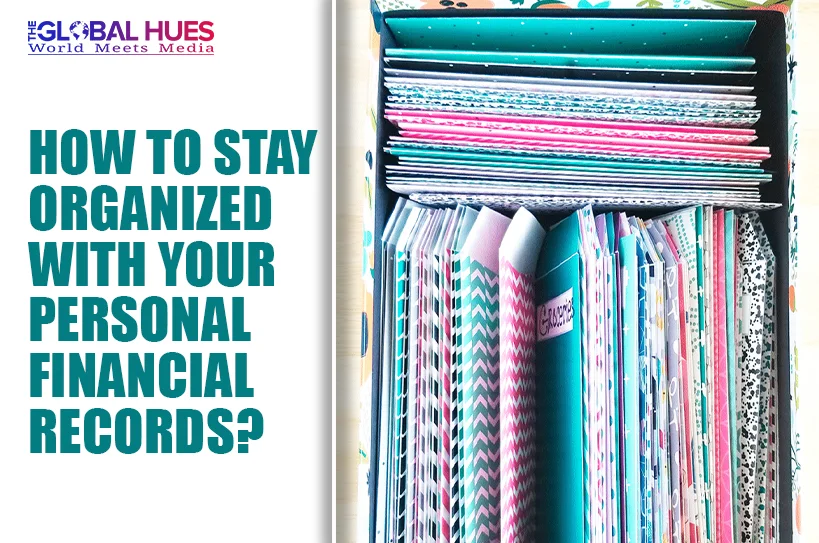
If you choose to go the physical route, that means getting a filing cabinet, binders and folders. It’s a good way to organize original documents, and you never have to rely on technology. With that in mind, having a hybrid system is usually better. With physical copies, you always get to have the original version of crucial documents, and then you have digital copies for your convenience, which is always extremely useful.
Establish categories
The idea here is to have categories or folders that make it easy to manage everything. That’s the problem, most of the time you will have issues managing everything. Ideally, you want to create folders for stuff related to income, banking statements, taxes, bills and utilities, investments, loans and debt, insurance and so on. In doing so, you get to better organize every single item, and not worry about losing anything.
Keep a proper naming system
You can choose the naming system, but ideally, you want to stick with it as much as possible. In order to keep things simple, you can have the date, name and then format at the end of the document so it’s easier to track everything. Then, you keep everything in year-related folders and categories to narrow down what you need.
Go paperless when you can
These days, banks and companies will offer digital statements and documents. It makes sense to go paperless because you can have multiple copies of these documents spread locally, in the cloud and in many other spots. Going paperless will help reduce clutter, it will make storage easier and it also gives you quicker access to what you need.
Do some regular maintenance
The idea here is to try and file the new documents, as well as organize them properly to avoid any issues. And not only that, but you also want to delete any unnecessary files and update folders, too. It might not seem like much at first, but keeping everything in order does feel like a full-time job.
Understand for how long you need to keep documents
Most people think that you need to store documents forever. The truth is that you don’t need to keep them forever. Instead, tax documents are needed for 5-7 years, bank statements for 1-3 years, and utility bills for up to 2 years. Loan documents should be kept until you pay the loan off and insurance policies you should keep them up to a few years after the policy is finished. In general, you keep documents in the long run if they are major contracts, property records or things that are of the utmost importance.
Keep the important documents safe
Usually, financial records contain sensitive information, so it’s important to store these documents safely. For digital documents, you want to have 2 factor authentication, passwords and backup files to cloud storage. And for physical documents, keep a locked drawer or a filing cabinet, and also store important papers in a safe.
Be prepared for any emergencies
In some cases, you will need quick access to all this info. That’s why you want to have a simple list of the key documents, important contracts, insurance details and bank accounts. It will help you save time, and if someone else is going to need access to that info, you will offer it and that will be more than enough. In the end, that’s the crucial thing, to prepare for emergencies and to also have someone you trust know how to access your files.
Declutter often
That’s the problem, if you don’t cleverly manage documents, you will have to deal with a whole lot of clutter. It’s because overtime, things tend to get quite messy if you don’t store and organize your files properly. And that’s why the best idea is to try and declutter as often as you can. A good rule of thumb is to review the old documents, shred unnecessary paper and delete outdated digital files. Keep everything under control and manage it with ease, because that’s what will make things easier.
What mistakes should you avoid?
- Stay away from keeping too many unnecessary documents
- Not naming your digital files properly will lead to clutter
- Ignoring regular maintenance is also an issue
- Don’t mix personal and business records, if you have any
Conclusion
It comes as highly recommended to continually organize and manage your financial documents properly. That’s the thing, you always want to focus on results and optimize your organizational system. Keeping it simple and easily accessible is very important, and it will help streamline things in a much better fashion than expected.
(DISCLAIMER: The information in this article does not necessarily reflect the views of The Global Hues. We make no representation or warranty of any kind, express or implied, regarding the accuracy, adequacy, validity, reliability, availability or completeness of any information in this article.)
Must Read:
- Your Custom Home – Careful Considerations
- Innovative Interior Design Trends To Refresh Your Home
- How to Choose Living Room Furniture That Stands Up to Active Lifestyles