

I used to think black coffee was supposed to taste intensely bitter. But once I started using freshly ground Arabica beans and paying attention to the brewing time, I realised that a good cup can be smooth, aromatic and naturally flavourful even without milk or sugar.
In this guide, I’ll show you exactly how I make black coffee at home using a simple French press method. I’m using Urbana Superfoods’ medium-roast Arabica coffee beans from Coorg because their caramel sweetness, cocoa depth and gentle fruity notes come through beautifully when the coffee is served black.
I’ll also share an easy no-machine method, my practical brewing tips and a few flavour variations for days when you want something beyond a plain cup.
What Is Black Coffee?
Black coffee is coffee brewed with water and served without milk or cream. Although it is usually enjoyed without sugar, I think the real difference comes from the beans and brewing method rather than what you leave out.
When I use freshly ground medium-roast Arabica beans, I can taste the coffee’s natural aroma, gentle sweetness and flavour notes more clearly. A properly brewed cup may have some pleasant bitterness, but it should not taste burnt, harsh or unpleasantly sharp.

Why I Prefer Medium-Roast Arabica Beans
Since black coffee has no milk or sugar to hide its flavour, the quality of the beans matters even more. I prefer 100% Arabica medium-roast beans because they produce a smoother, more balanced cup while preserving the coffee’s natural aroma.
For this recipe, I use Urbana Superfoods’ Arabica Medium Roast Coffee Beans, grown in Coorg. Their caramel sweetness, cocoa depth and subtle fruity notes make the coffee enjoyable on its own without tasting overly dark or burnt.
I also prefer whole beans because I can grind them immediately before brewing. This keeps more of their aroma intact and gives my black coffee a fresher, fuller flavour.
What You Need
You do not need expensive equipment. Here is everything for a great French press black coffee at home:
| Ingredient / Equipment | Amount / Notes |
| Whole coffee beans or coarse ground coffee | 15–18 g (about 2 heaped tablespoons) |
| Hot water | 250–300 ml (90–95°C — not boiling) |
| French press | Or a pour-over dripper, or a saucepan |
| Coffee grinder | Only if using whole beans (highly recommended) |
| Electric kettle or stovetop pan | To heat the water |
How to Make Black Coffee at Home — Step by Step
We are covering the French press method as the main guide, it gives the richest, most cafe-quality black coffee with zero special skill required. Two other methods follow at the end.
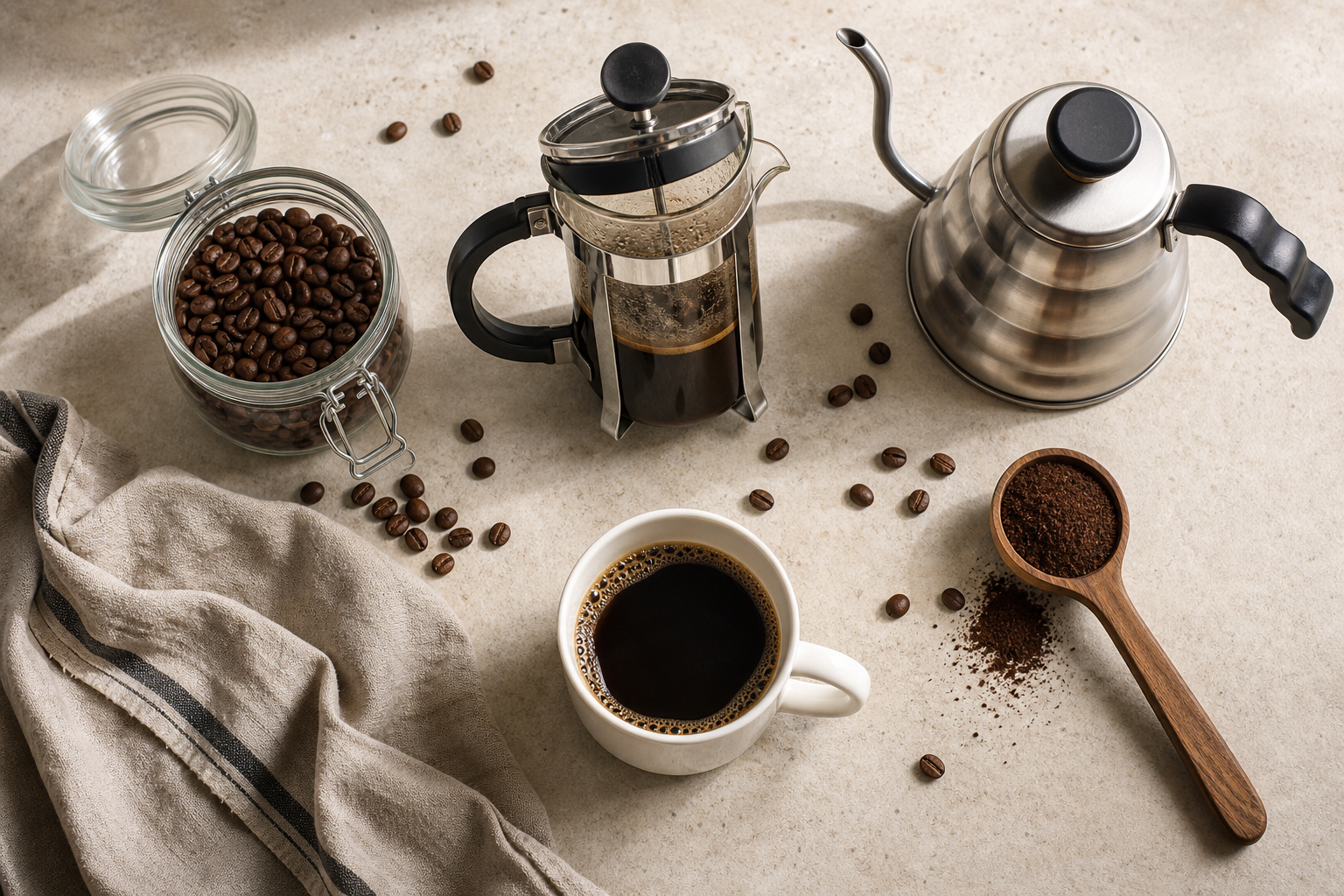
Method 1: French Press (Best for Whole Beans)
Step 1: Measure and Grind the Beans
Start with 15–18 grams of whole coffee beans, or roughly 2 heaped tablespoons. Grind them to a coarse texture resembling rough breadcrumbs or raw sugar.
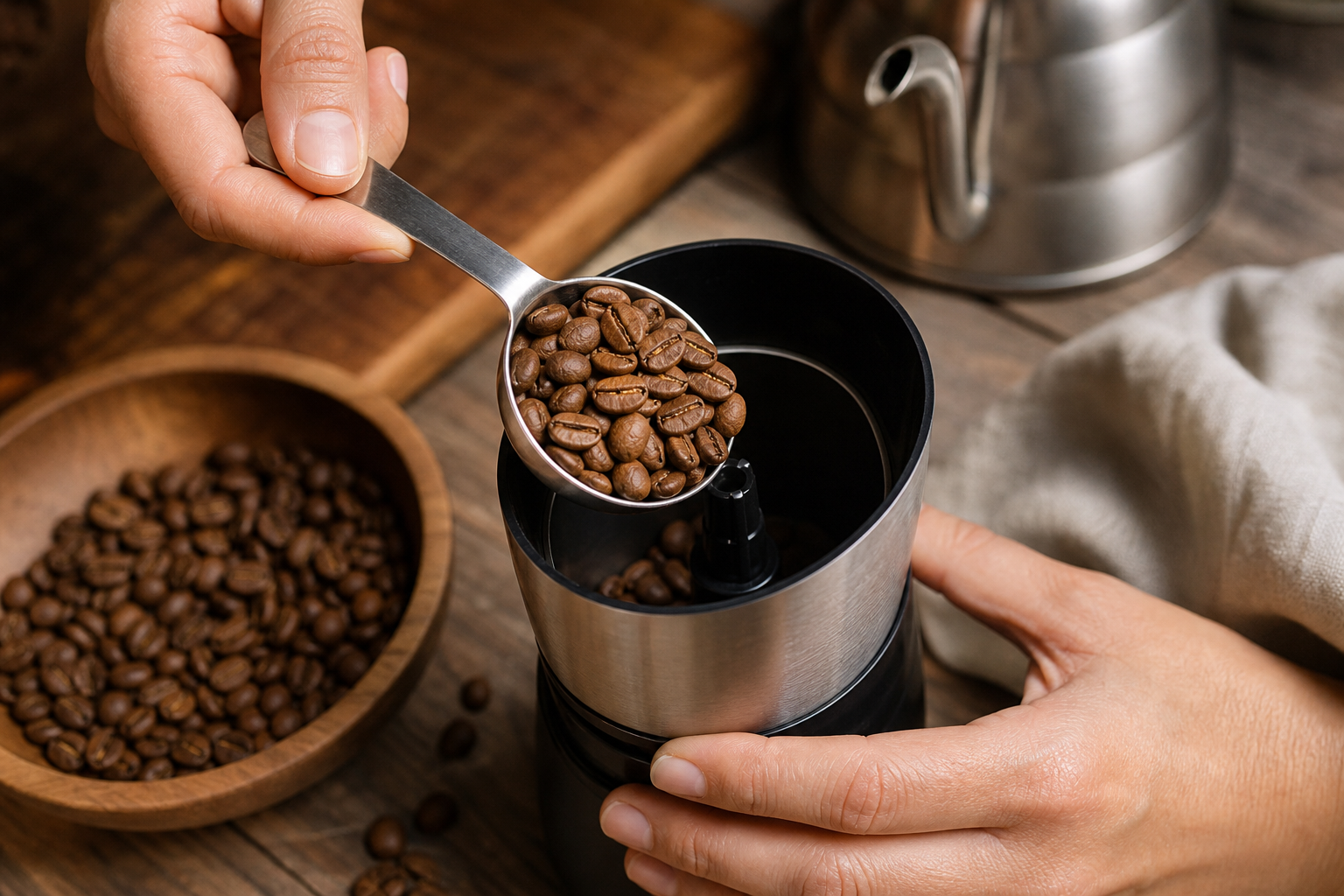
Grounds that are too fine can produce a bitter, muddy cup, while an excessively coarse grind may leave the coffee weak and under-extracted. When using pre-ground coffee, choose one specifically labelled for a French press.
Pro tip: Grind the beans immediately before brewing to preserve their aroma and flavour. For a stronger cup, increase the quantity of coffee rather than extending the brewing time.
Step 2: Heat the Water to the Right Temperature
Bring the water to a boil, then remove it from the heat and let it rest for 30–45 seconds. The ideal temperature for brewing black coffee is around 90–95°C. Water that is too hot can over-extract the coffee and make it taste bitter.
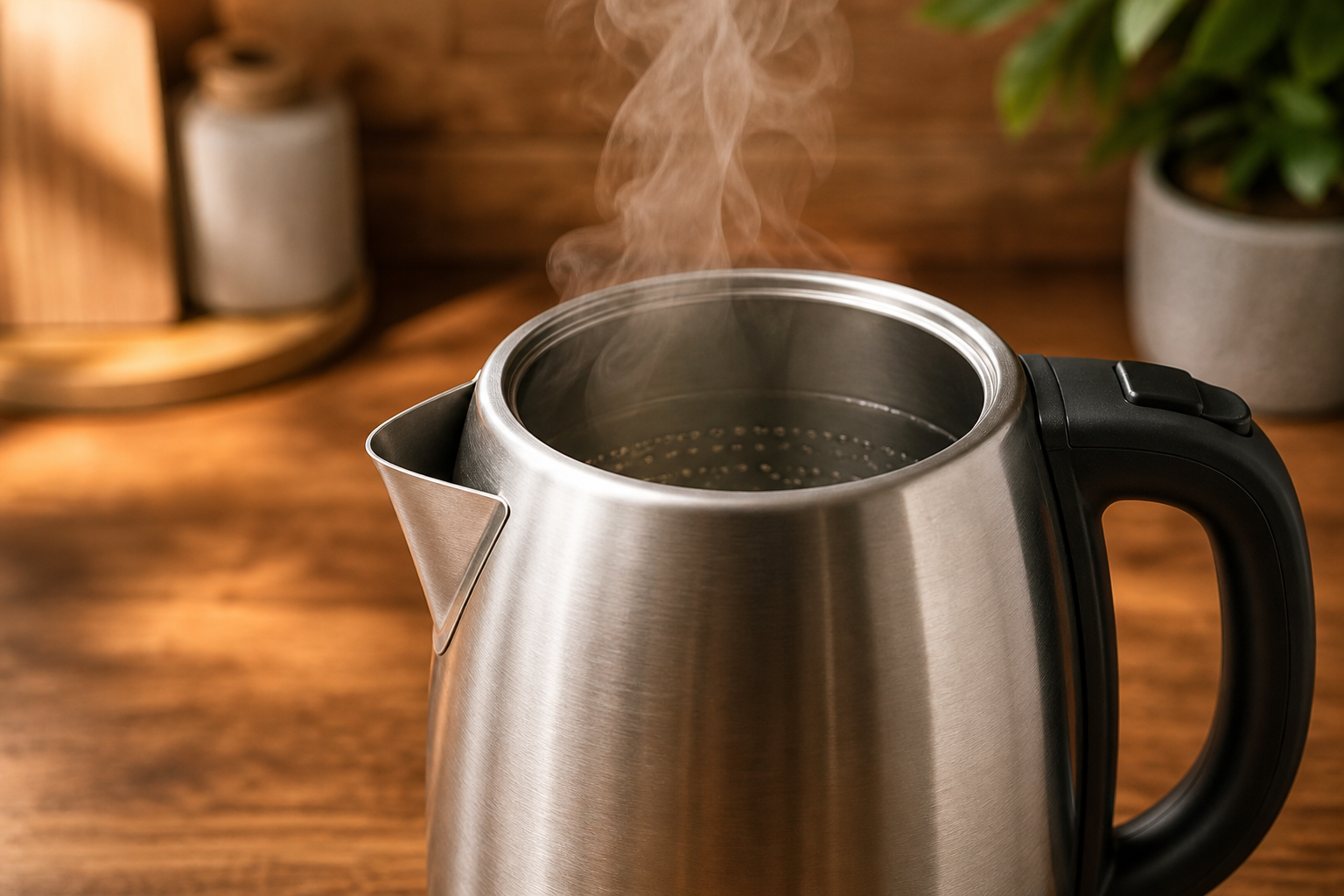
If using a temperature-controlled kettle, set it to approximately 93°C.
Pro Tip: Boil, wait 30 seconds, then pour. That’s all there is to it.
Step 3: Add Grounds to the French Press
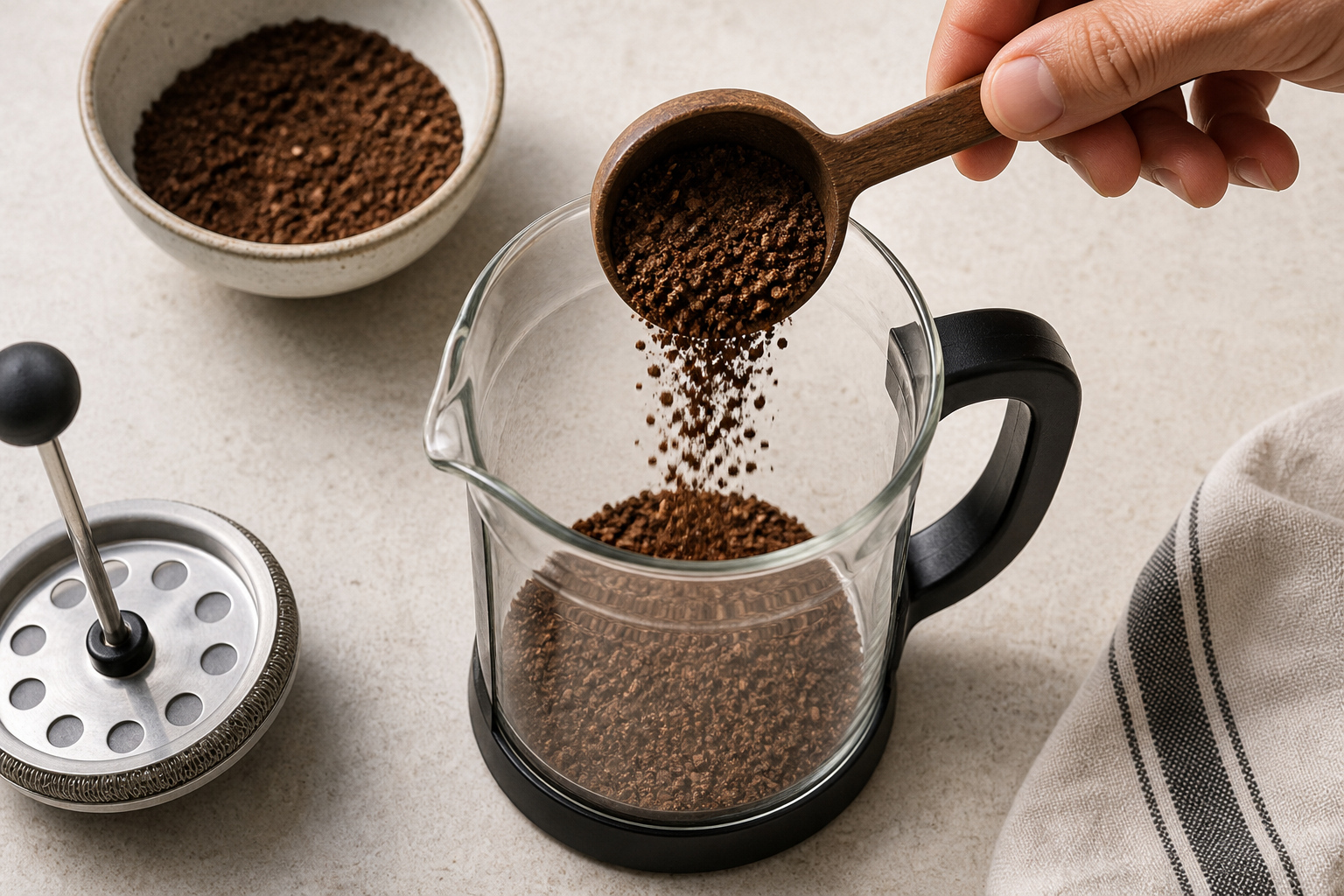
Add the ground coffee to your French press. For a 300 ml cup, use around 18–20 grams of coffee, giving you a ratio of roughly 1:15 coffee to water. This produces a strong, full-bodied and smooth cup.
Prefer a lighter cup? Use 15 grams. Want it stronger? Increase it to 22 grams. Start with 18 grams and adjust according to your taste.
Step 4: Pour Water and Bloom the Coffee
Pour about 50 ml of hot water over the coffee grounds and wait for 30 seconds. This stage is known as the bloom, when freshly ground coffee releases trapped carbon dioxide and begins to bubble on the surface.
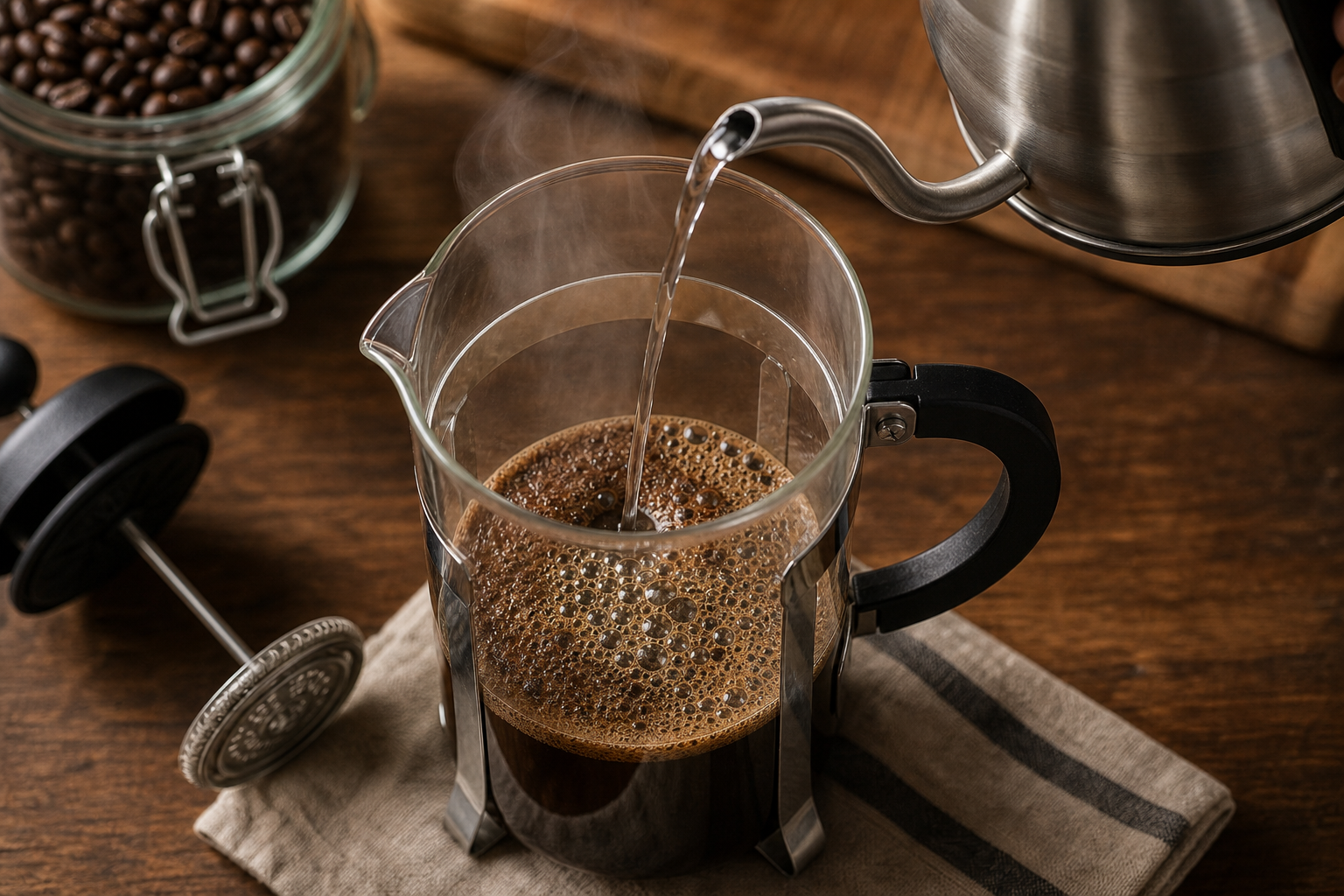
After 30 seconds, slowly pour in the remaining water until the French press reaches the 300 ml mark. Give the mixture a gentle stir to ensure all the grounds are evenly saturated.
Pro Tip: Bubbling and light foam during the bloom are signs of freshly roasted coffee. Medium-roast Coorg Arabica beans bloom beautifully and release their caramel, cocoa and subtle fruity aromas.
Step 5: Steep for 4 Minutes
Place the lid on the French press with the plunger pulled all the way up. Let the coffee steep for 4 minutes. Steeping for too little time can produce weak, under-extracted coffee, while leaving it for over 5 minutes may make the brew bitter.
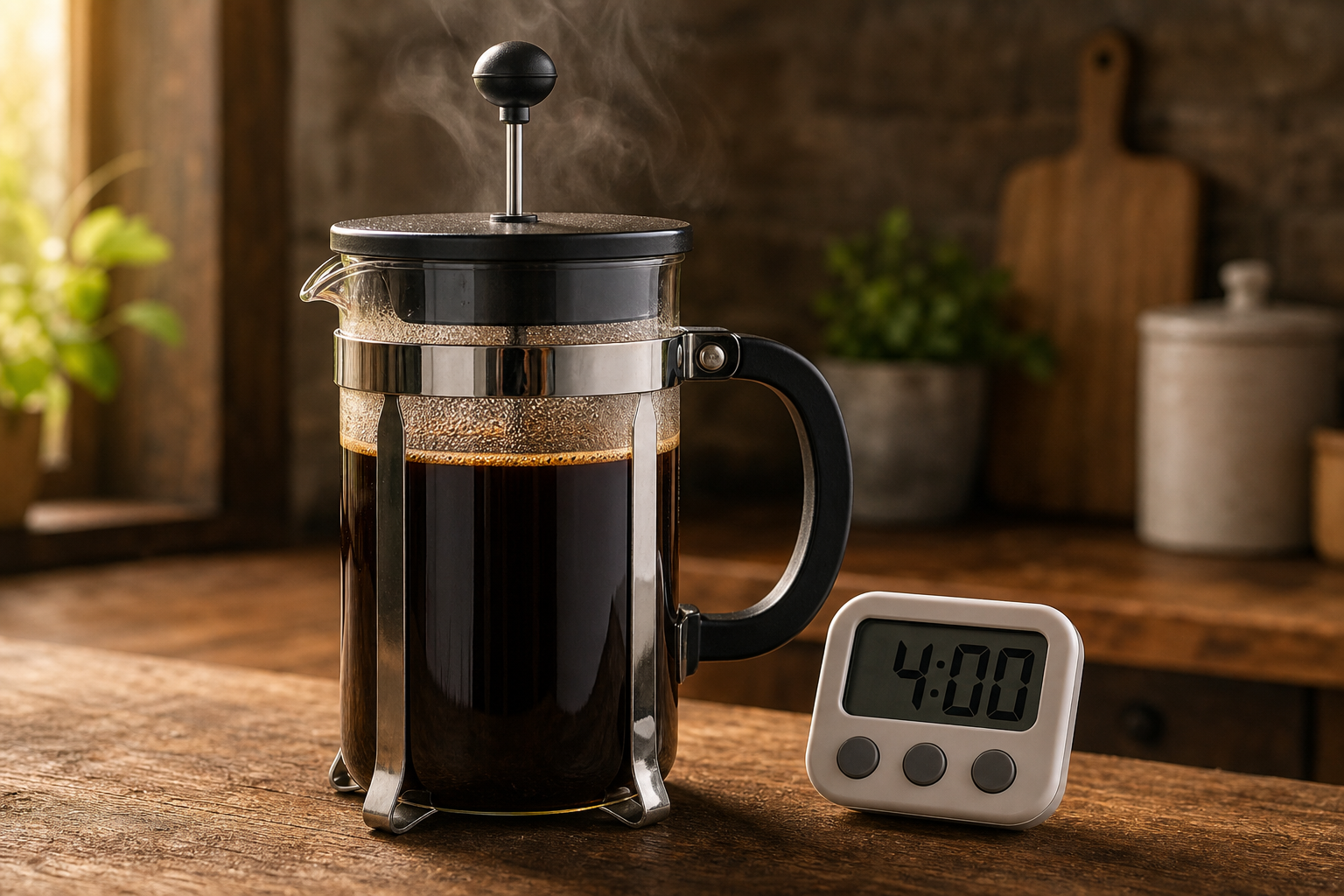
Set a timer and allow the coffee to brew undisturbed.
Pro Tip: Keep the brewing time consistent and adjust the amount of coffee when you want a lighter or stronger cup.
Step 6: Press and Pour
Press the plunger down slowly and steadily over 20–30 seconds. Avoid pressing too quickly or forcefully, as this can push fine coffee particles through the filter and into the brew. Strong resistance usually means the grind is too fine.
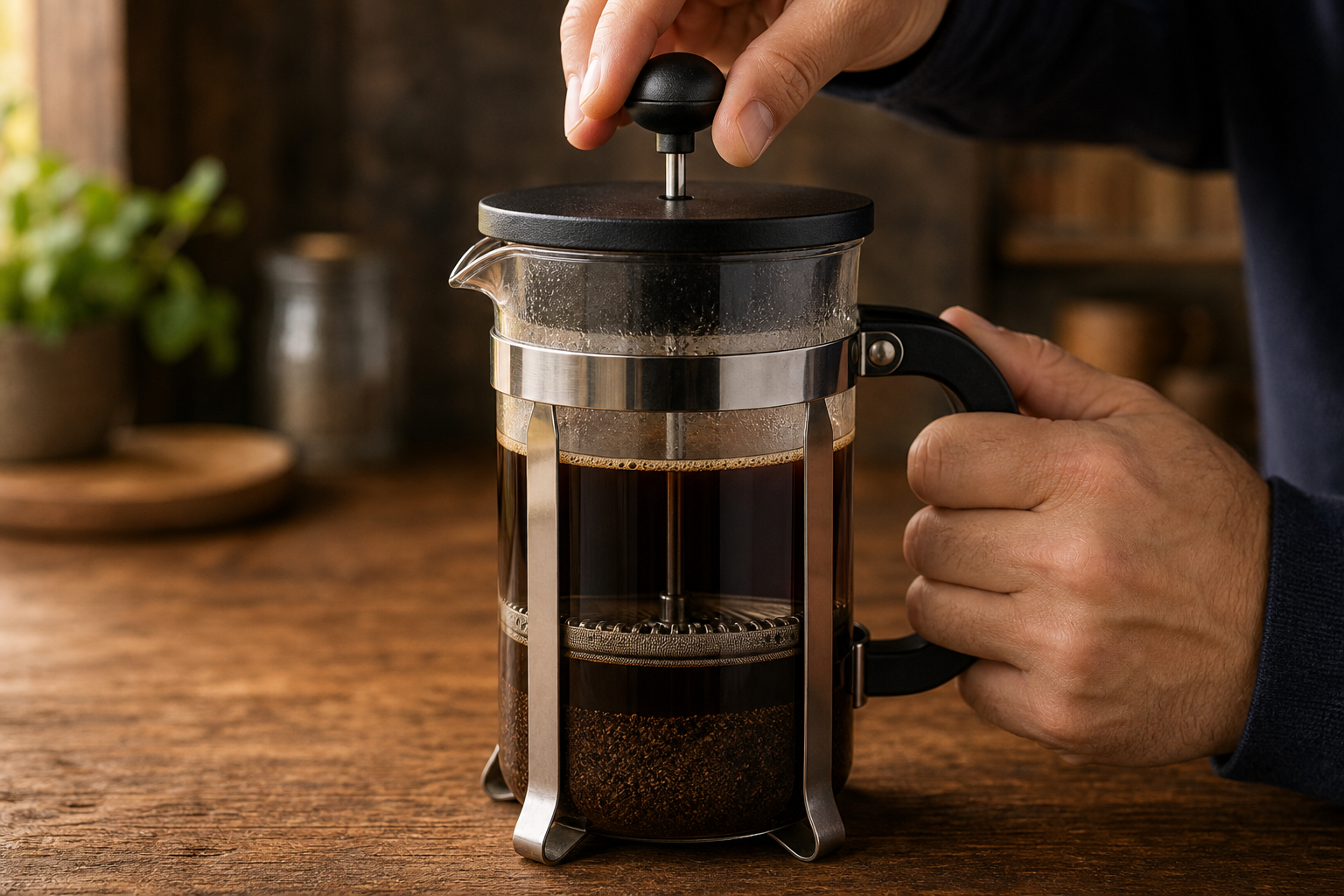
Pour the coffee into your mug immediately. Leaving it in the French press allows the grounds to continue extracting, which can make the coffee bitter.
Pro Tip: Warm the mug with hot water before pouring to keep your black coffee hotter for longer.
Step 7: Serve and Enjoy
Your black coffee is now ready. Before taking the first sip, pause to notice its aroma. Medium-roasted Coorg Arabica offers a smooth combination of caramel sweetness, cocoa depth and subtle fruity notes.

Taste the coffee without sugar first. A well-brewed cup should be balanced and pleasantly bold rather than harsh or burnt.
Pro Tip: Let the coffee cool for a minute before tasting. Its natural flavours become easier to notice as the temperature drops slightly.
Method 2: How to Make Black Coffee Without a French Press
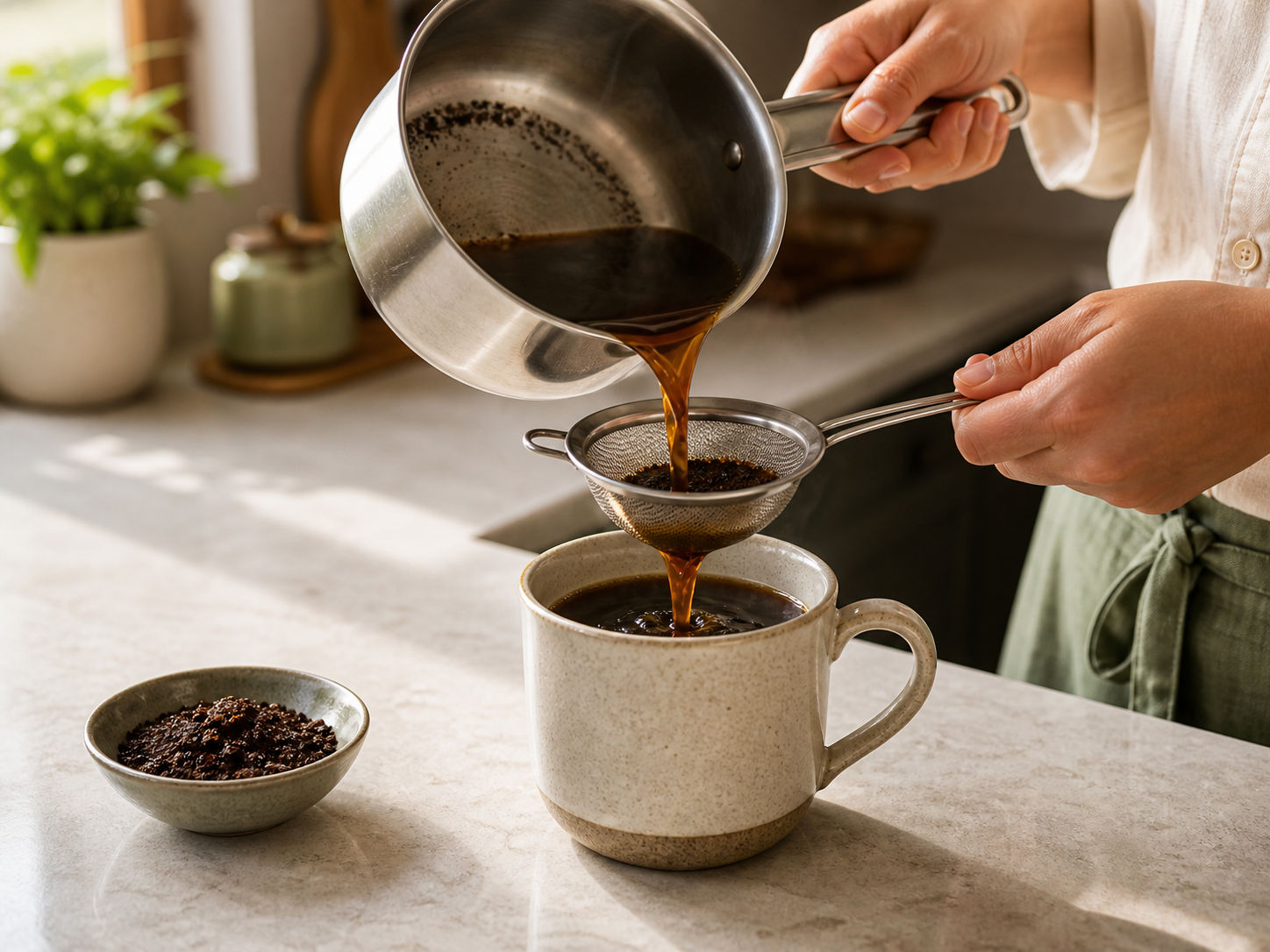
No French press? A saucepan and fine-mesh strainer work well too.
- Heat 300 ml of water and remove it just before a rolling boil.
- Add 18–20 grams of coarsely ground coffee.
- Stir gently, cover and let it steep for 4 minutes.
- Strain the coffee into a mug without pressing the grounds.
- Serve immediately.
Pro Tip: Avoid boiling the coffee grounds. Prolonged heat can over-extract the coffee and create a harsh, bitter taste.
Other Methods at a Glance
Instant Coffee
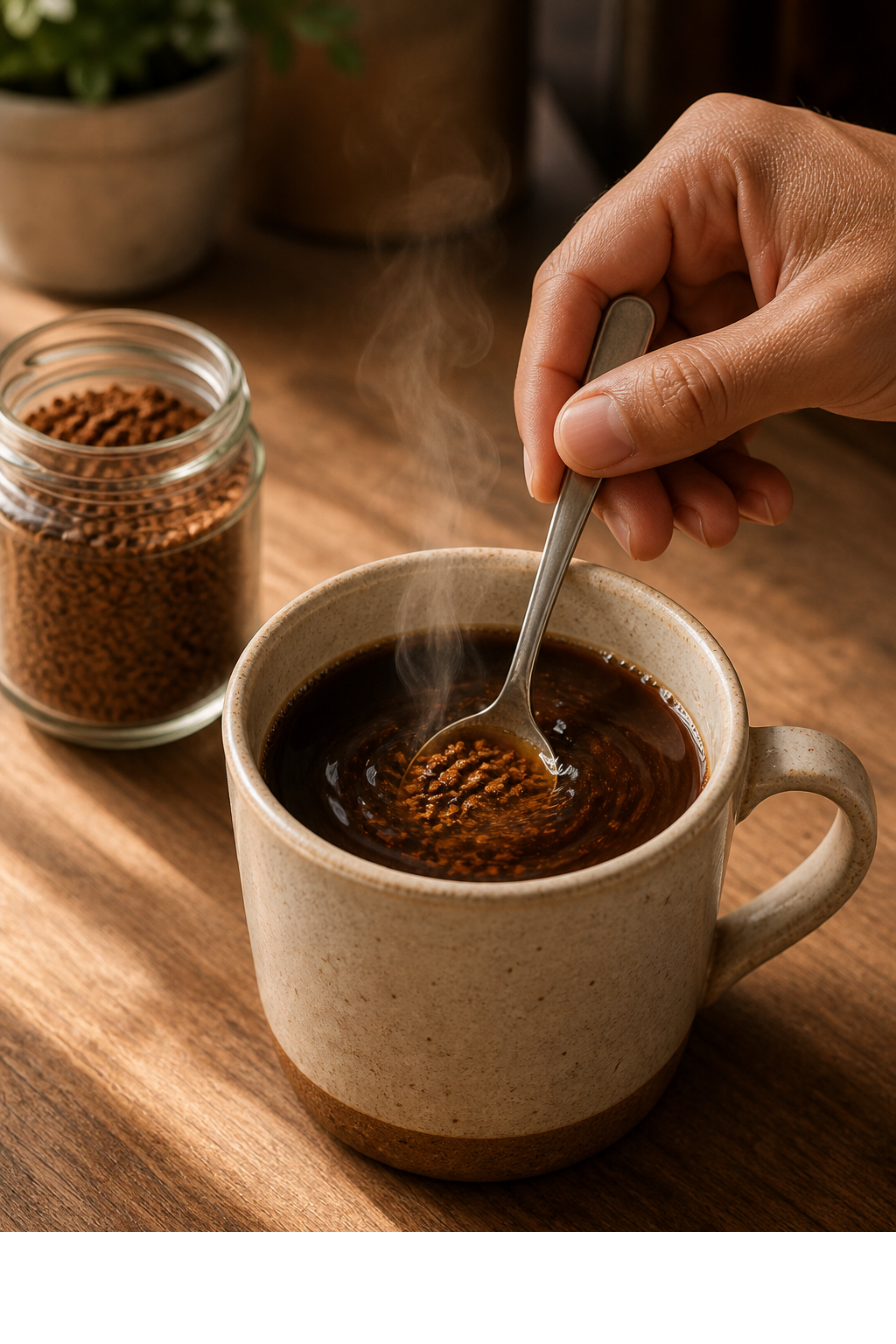
Add 1–1½ teaspoons of instant coffee to 200 ml of hot water and stir well. It is the quickest option for busy mornings, although the flavour differs from freshly brewed beans.
Pour-Over
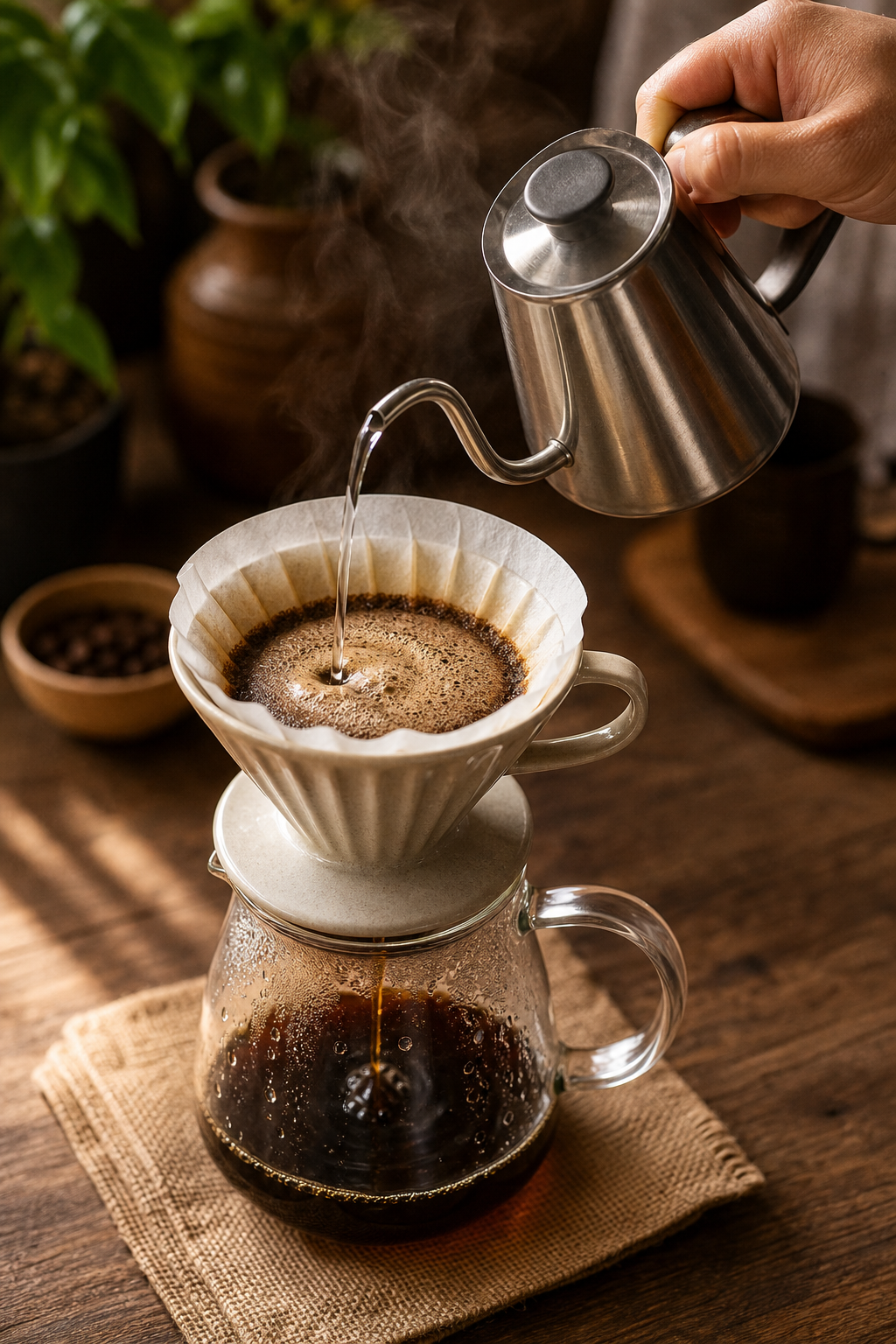
Use a medium-fine grind and slowly pour water heated to around 93°C over the grounds in circular motions. Brew for 2–3 minutes for a clean, bright cup that suits medium-roast Arabica beans.
Cold Brew

Combine coarsely ground beans with cold water and refrigerate for 12–18 hours. Strain and serve over ice. This method brings out the smoother, naturally sweet side of Coorg Arabica.
South Indian Filter
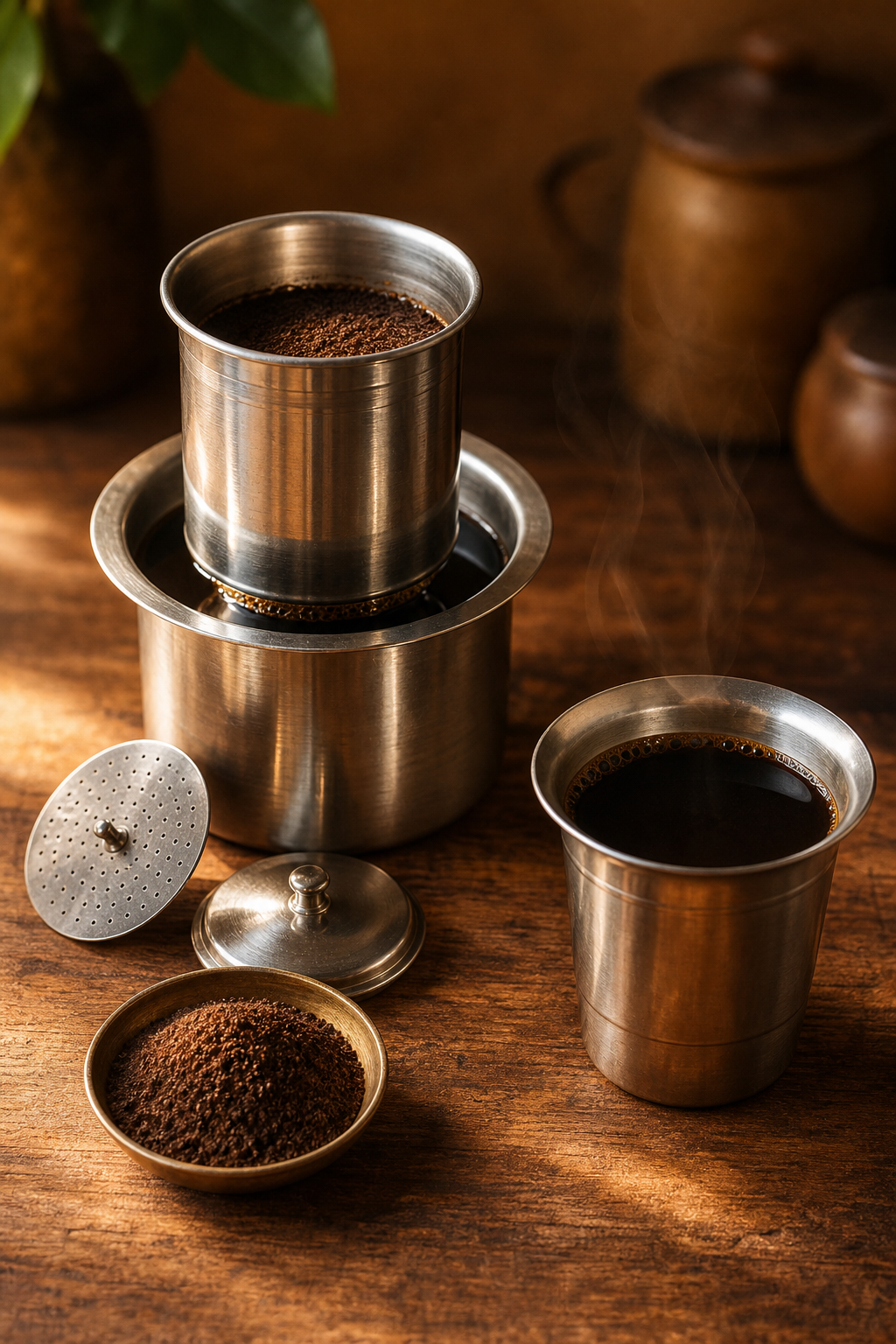
Add ground coffee to a traditional filter and allow the decoction to drip for 15–20 minutes. For black coffee, dilute the concentrated decoction with hot water according to your preferred strength.
Flavour Variations: How to Enhance Your Black Coffee
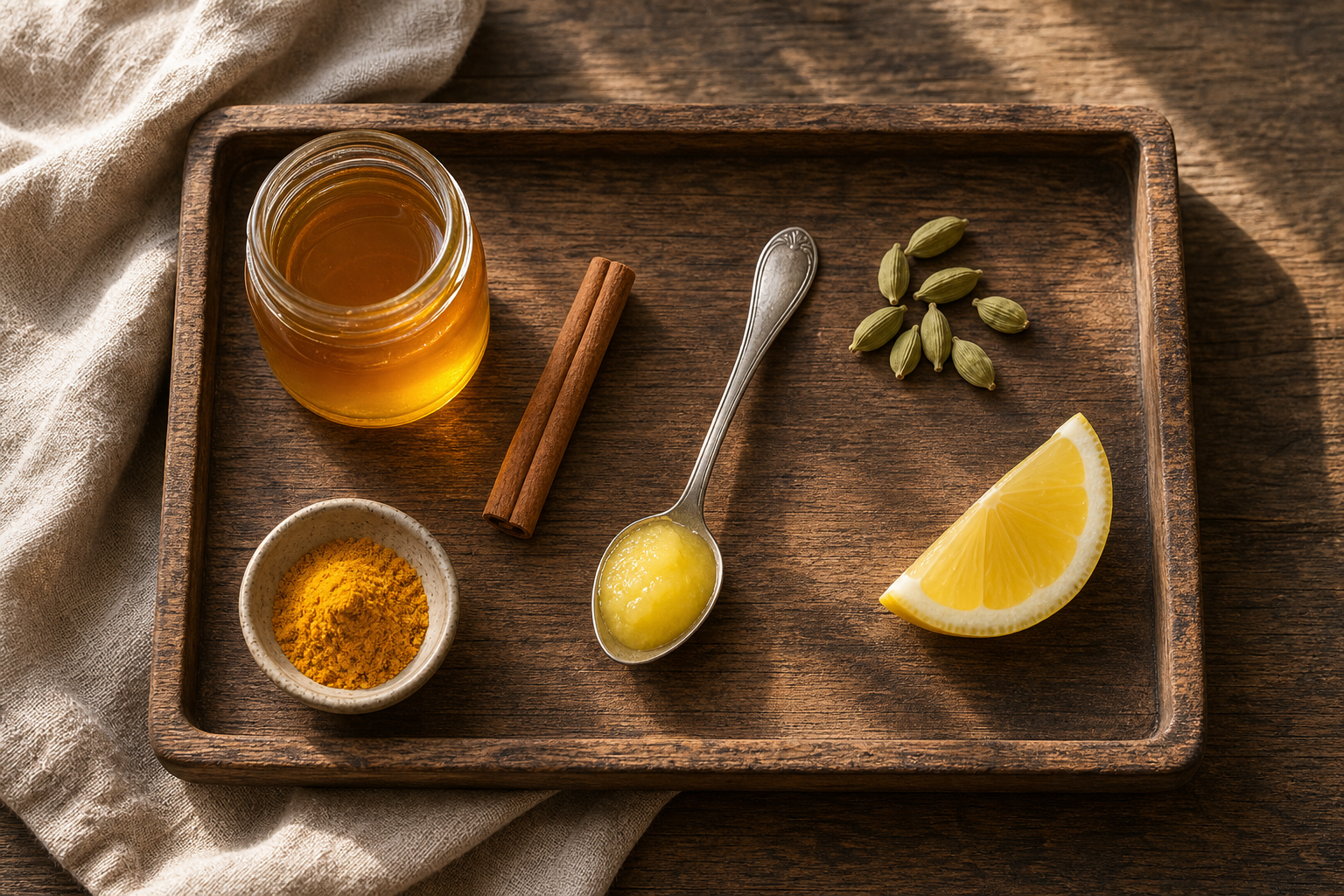
Once the basic brew is right, black coffee can be adapted with spices, natural sweetness or richer ingredients. I prefer additions that complement the caramel, cocoa and gentle fruity notes of medium-roast Arabica instead of covering them completely.
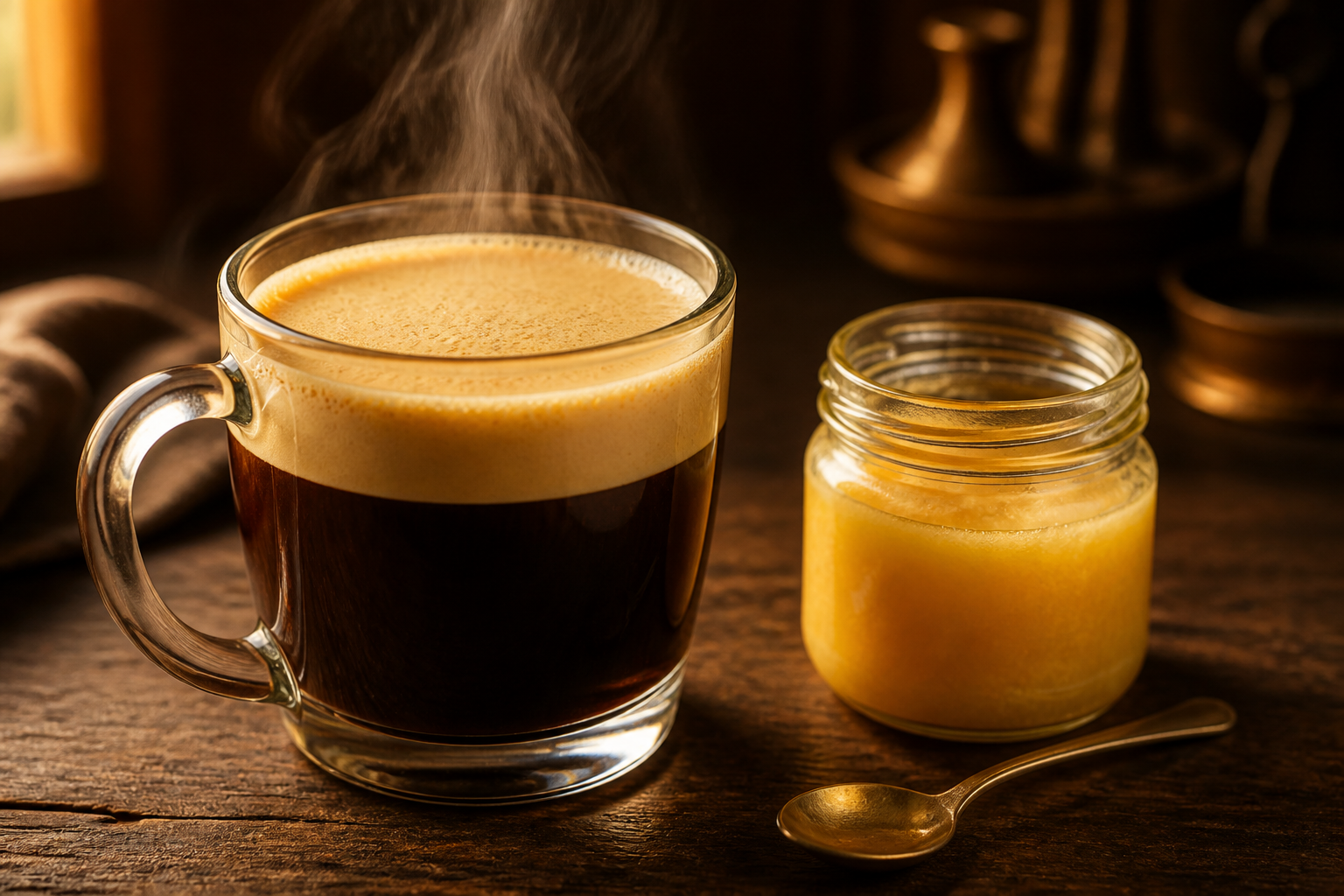
Ghee Coffee
Brew the coffee as usual and add 1 teaspoon of A2 ghee while it is still hot. Blend for 20–30 seconds using a milk frother or hand blender until the drink becomes creamy and lightly foamy.
Stirring alone leaves a layer of fat on top, while blending emulsifies the ghee into the coffee and creates a smoother texture.
For this variation, I use Urbana Superfoods A2 Bilona Cow Ghee. Its subtle nutty flavour pairs well with the cocoa notes of Coorg Arabica without overpowering the coffee.
Flavour: Rich, creamy and lightly nutty
Honey Coffee
Allow the freshly brewed coffee to cool slightly before stirring in ½–1 teaspoon of raw honey. Begin with a small amount so that the coffee’s original flavour remains noticeable.
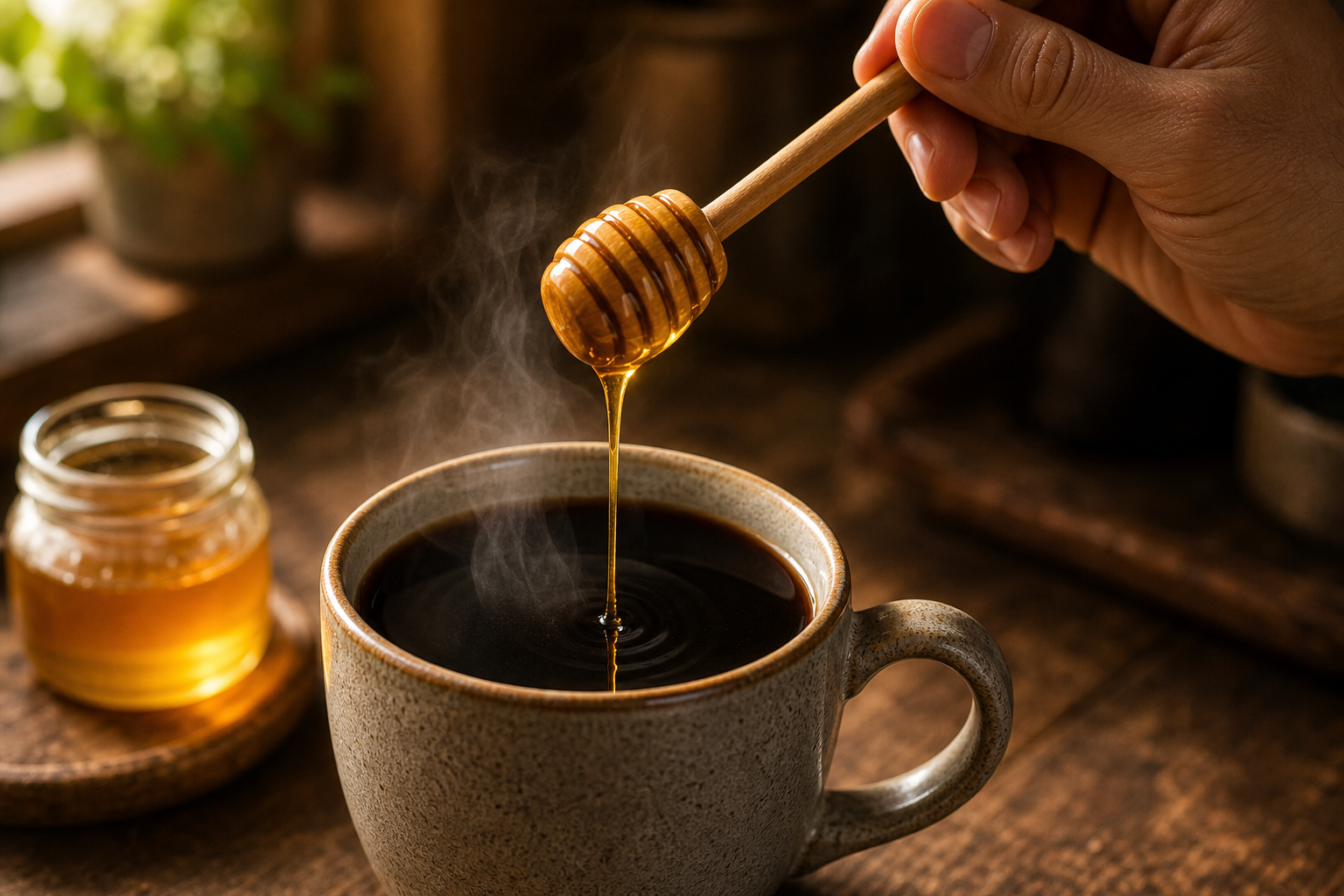
Forest or wildflower honey adds a mild floral sweetness that complements the caramel notes of medium-roast Arabica.
Best for: Anyone gradually replacing refined sugar
Flavour: Floral and gently sweet
Cinnamon Coffee
Add ¼ teaspoon of ground cinnamon to the coffee grounds before brewing. Alternatively, place a cinnamon stick in the French press while the coffee steeps for a milder infusion.
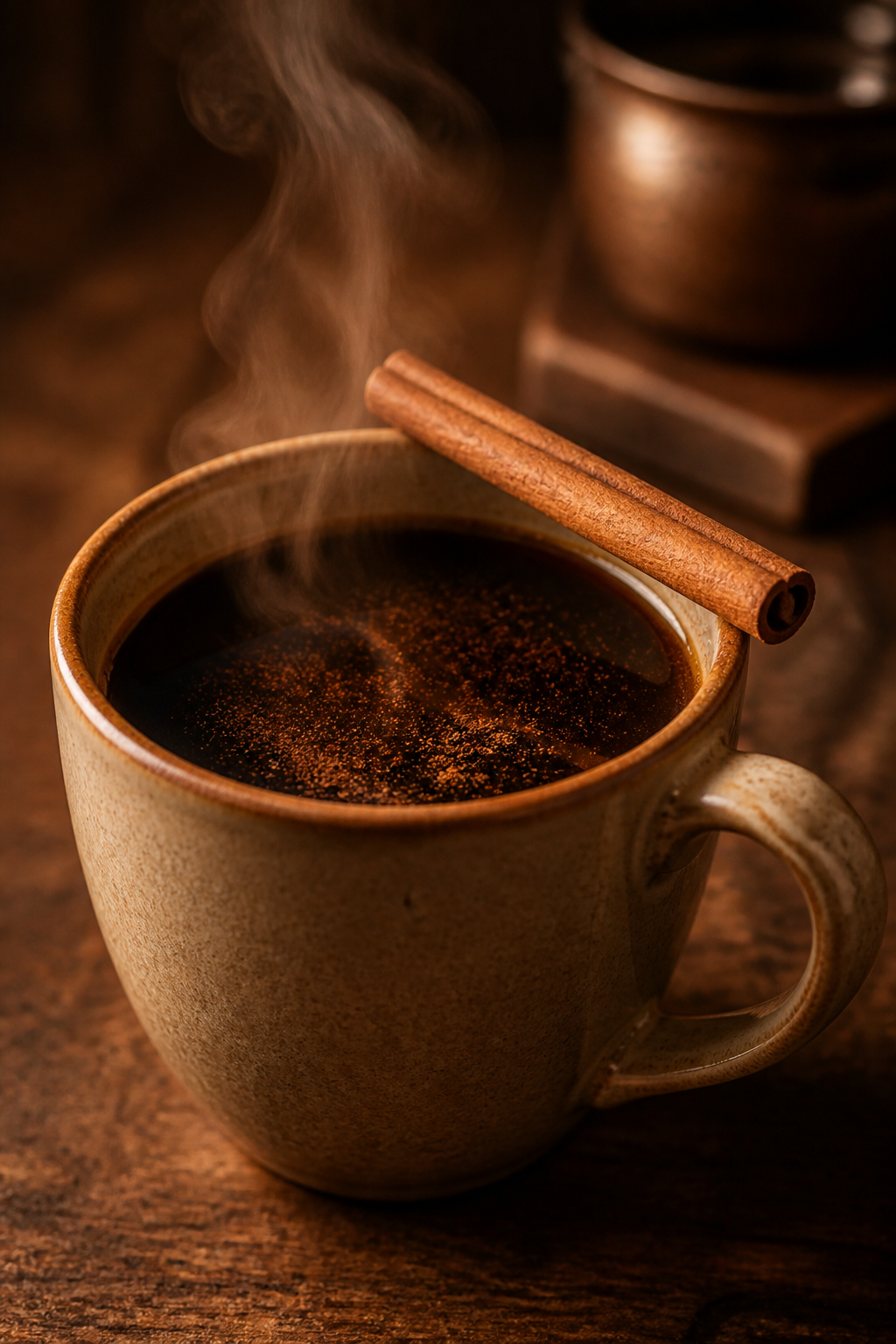
Cinnamon adds natural warmth and makes the coffee taste sweeter without adding sugar. It works particularly well with the caramel and cocoa notes of medium-roast beans.
Flavour: Warm, spiced and subtly sweet
Cardamom Coffee
Lightly crush 1–2 green cardamom pods and add them to the French press or saucepan before brewing. Strain them out with the coffee grounds before serving.

For a stronger flavour, grind half a pod with the coffee beans. Cardamom adds floral and citrusy notes, so use it sparingly to avoid overpowering the Arabica.
Flavour: Floral, citrusy and distinctly aromatic
Lemon Iced Coffee
Prepare black coffee and allow it to cool. Pour it over ice and add a small squeeze of fresh lemon juice. Start with 1–2 teaspoons, taste, and add more only if needed.

A full half-lemon can dominate the coffee and make it excessively acidic. A smaller quantity adds enough brightness while allowing the coffee’s fruity notes to remain noticeable.
Best served: Chilled on warm days
Flavour: Bright, sharp and refreshing
Golden Coffee With Turmeric
Whisk a small pinch of turmeric and an even smaller pinch of black pepper into freshly brewed coffee. Add a little honey if the turmeric tastes too earthy.

I would begin with ⅛ teaspoon of turmeric, rather than ¼ teaspoon, because its flavour can quickly overwhelm the coffee. Urbana Superfoods Pahadi Haldi can be used here for a warm, earthy variation.
Flavour: Earthy, peppery and warming
Quick Reference: All Flavour Variations
| Add-In | Amount | Best For | Flavour Profile |
| A2 Ghee | 1 tsp, blended in | Sustained energy, keto, Ayurveda | Rich, creamy, velvety |
| Raw Honey | ½–1 tsp, stirred | Natural sweetness, gut health | Floral, mildly sweet |
| Cinnamon | ¼ tsp ground | Blood sugar, anti-inflammatory | Warm, spiced, slightly sweet |
| Cardamom | 1–2 pods, crushed | Digestion, Indian flavour | Floral, citrusy, aromatic |
| Lemon | ½ lemon squeezed | Vitamin C, iced coffee | Bright, citrusy, refreshing |
| Turmeric + Pepper | ¼ tsp + small pinch | Immunity, anti-inflammation | Earthy, warm, golden |
Tips for a Better Cup Every Time
- Buy whole beans and grind fresh.Pre-ground coffee loses its aromatics within days. Whole beans stay fresh for 3–4 weeks after roasting.
- Store beans in an airtight container away from light and heat — not in the fridge. Moisture and fridge odours damage the flavour.
- Never use boiling water. Let it cool 30 seconds after boiling. 90–95°C is your sweet spot for the best extraction without bitterness.
- Use filtered water where possible. Hard tap water dulls the taste of good beans. Even a basic Brita filter makes a noticeable difference.
- Clean your equipment after each use. Stale coffee oils build up and make new coffee taste rancid. Rinse your French press with hot water every time.
- Start without sugar. Good Arabica beans, especially medium roast, are naturally sweet. Give it three tries before reaching for sugar, you may not need it.
- Ratio is your friend. 1 g of coffee per 15 ml of water is the baseline. Write it down and adjust from there until you find your perfect cup.
Health Benefits of Black Coffee
- Clean, steady energy: without a sugar crash , moderate caffeine from Arabica is gentler than Robusta
- Improved focus: caffeine stimulates the central nervous system, sharpening alertness and concentration
- Heart health support: moderate consumption linked to reduced risk of heart disease in several studies
- Metabolism boost: aids in weight management — popular as a pre-workout drink for this reason
- Rich in antioxidants: fights cellular damage; coffee is one of the top sources of antioxidants in the Indian diet
- Magnesium & potassium: naturally present in Arabica beans — support muscle and heart function
Note: Benefits apply to moderate consumption (1–3 cups per day). People with acid sensitivity, heart conditions, or caffeine sensitivity should consult a doctor.
Final Thoughts
Making black coffee at home is genuinely simple once you understand the two variables that matter most , bean quality and water temperature. With the right Arabica beans and a four-minute French press brew, you will have a cup that rivals your favourite café, made in your own kitchen for a fraction of the cost.
If you are ready to upgrade your morning routine, start with what goes into the cup. Beans grown with care, roasted in small batches, packed fresh. That is exactly what Coorg-grown Arabica from Urbana Superfoods delivers.
Frequently Asked Questions
Q: What is the best coffee bean for making black coffee at home in India?
A: 100% Arabica beans from South Indian regions like Coorg or Chikmagalur are ideal. They have natural sweetness, low bitterness, and caramel-cocoa notes that taste excellent without milk or sugar. Medium roast is the most beginner-friendly.
Q: How much coffee should I use per cup?
A: A good starting ratio is 1:15 , 1 gram of coffee for every 15 ml of water. For a 250 ml cup, use around 15–18 grams (about 2 heaped tablespoons). Adjust based on how strong you prefer it.
Q: Is black coffee good for weight loss?
A: Black coffee contains almost no calories (about 2 kcal per cup) and can mildly boost metabolism. It also reduces appetite temporarily. It is not a substitute for a balanced diet, but it is a very low-calorie way to get a clean energy boost.
Q: Why does my black coffee taste bitter?
A: Bitterness usually comes from one of three things: water that is too hot (above 96°C), grind size that is too fine for your brewing method, or steeping too long. Switching to fresh, medium-roast Arabica beans and following the temperature and timing guidelines in this post usually solves it completely.
Q: Can I make black coffee without a French press?
A: Absolutely. Use a saucepan: bring water and coffee grounds to a near-boil, steep 3–4 minutes off heat, then strain through a fine-mesh sieve or cloth. The instant method (just hot water + instant powder) takes under 2 minutes. The French press simply gives more flavour and control.
Q: Can I add ghee, honey, or spices to black coffee?
A: Yes, and it can make it significantly more interesting and healthy. A teaspoon of A2 ghee blended in gives a creamy, sustained-energy cup. Honey is a great natural sweetener that complements Arabica. Cardamom, cinnamon, and turmeric are all excellent additions with their own health benefits. See the Flavour Variations section above for full how-to guides on each.
Q: How do I store coffee beans to keep them fresh?
A: Store in an airtight container at room temperature, away from direct sunlight and heat. Do not refrigerate , moisture and fridge odours damage the flavour. Whole beans stay fresh for 3–4 weeks after roasting; ground coffee goes stale in 5–7 days, which is why grinding fresh makes such a big difference.
(DISCLAIMER: The information in this article does not necessarily reflect the views of The Global Hues. We make no representation or warranty of any kind, express or implied, regarding the accuracy, adequacy, validity, reliability, availability or completeness of any information in this article.)
Must Read:
- Your Custom Home – Careful Considerations
- Innovative Interior Design Trends To Refresh Your Home
- How to Choose Living Room Furniture That Stands Up to Active Lifestyles