
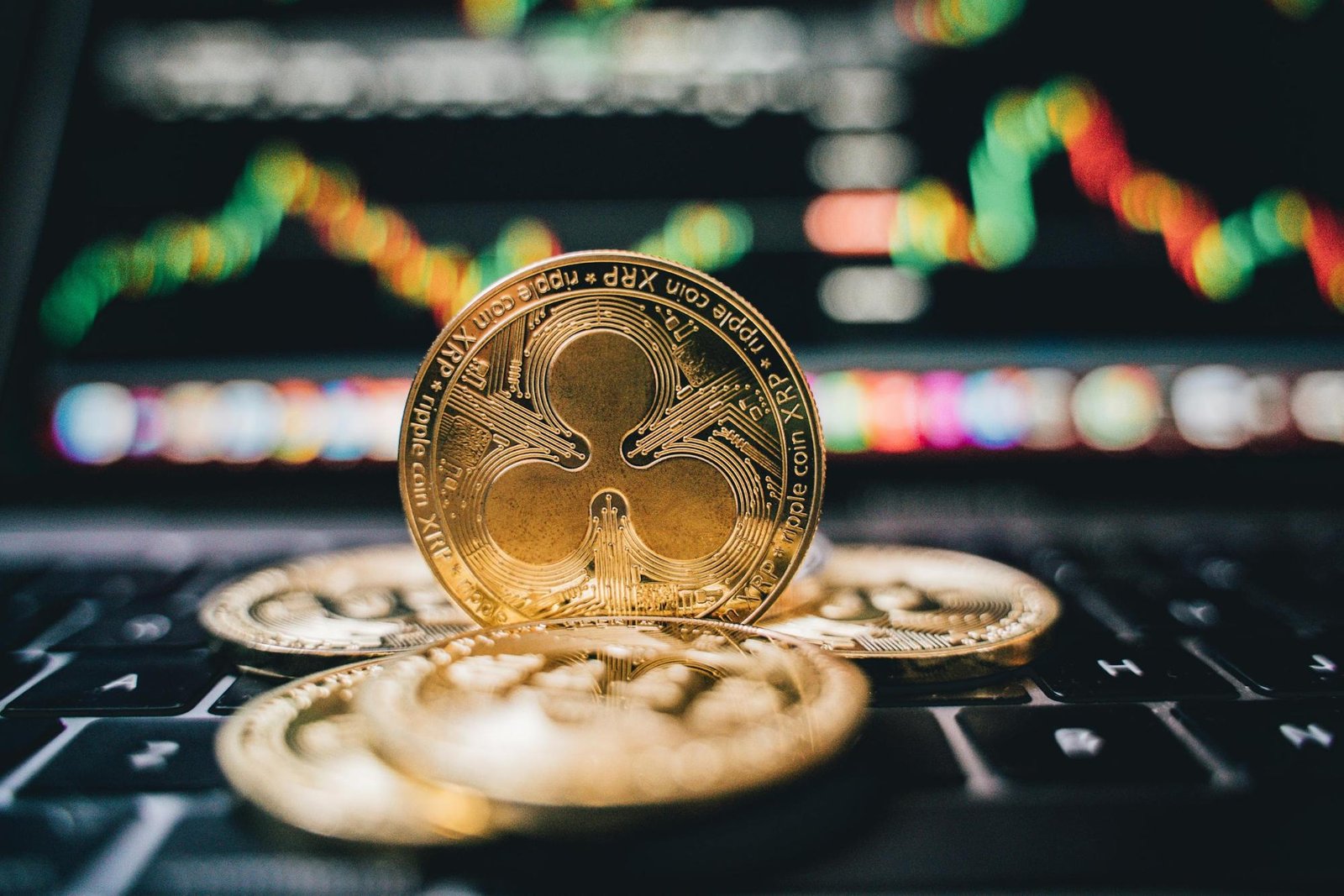
In a recent study surveying digital asset trading in India, Tak Lee, CEO and Managing Partner of Hashed Emergent, said, “India’s crypto derivatives market is undergoing a structural shift. When over 60% of new traders are under 25, and regions like Eastern India are growing at 6x, it tells us this is no longer a niche, metro-driven phenomenon. Derivatives are becoming the entry point for a new generation of digitally native investors, and the data suggests we are still in the early innings of this adoption curve.”
The days when digital currencies were associated with only a few people are quickly passing. And this is not just true for big names like Bitcoin. Even smaller projects like Dogecoin are gaining traction among Indian investors. Investors are now increasingly flocking to exchanges to monitor the Doge price INR, convert their holdings and diversify their portfolios across both established and emerging tokens.
But beyond just trading, digital currencies are proving to solve real-world problems. It’s a big part of why IMARC Group values the India blockchain market at $1.088 billion and projects it to reach $85.107 billion by 2034. That’s a CAGR of more than 60% in less than a decade! So, how exactly does this country find this technology helpful?
Catering to the need for fast payments
It’s no surprise that the speed of payments can actually make or break a business. The world has become fast-paced, and if you delay transactions, you could frustrate customers and eventually lose them to competitors. Take the country’s UPI, for instance. According to the International Monetary Fund (IMF), this facility is the largest real-time payment system worldwide, supporting over 19 billion transactions per month. This highlights just how quickly fast payment methods are becoming part and parcel of India’s everyday life.
That’s why any infrastructure that promises to meet this need is usually welcome. Blockchain, at its core, is decentralised, which eliminates the need for transactions to go through intermediaries. Think of it as a digital express lane for money, where transactions can be processed almost instantly without the traditional banking bottlenecks.
This is not something futuristic; it’s already happening. Platforms like Binance Pay are already making it possible to complete payments within seconds. And according to a recent Binance report, the platform has “processed over $280 billion in transactions since its launch in 2021.” Well, of course, you naturally expect India to account for a significant share of this volume because it’s one of Binance’s largest target markets.
Blockchain amid India’s growing desire for inclusivity
Every nation that seeks to lead the global economy must have ways of addressing the issue of inclusivity. But for years, India has struggled with gaps in financial access, particularly in rural areas where traditional banking is sparse. Millions of people remained outside formal financial systems, either because of geographic isolation or illiteracy. And as the Reserve Bank of India has it, the financial inclusion index stands at just about 67%, meaning there’s a lot more to be done.
Blockchain is helpful in that it offers an open, permissionless ledger. As long as you have a stable internet connection and a smartphone, you can participate in the ecosystem without your background being a hindrance. And for entrepreneurs in rural areas, accessing banking services becomes even easier. And it’s not just about financial inclusion.
Just recently, the country’s Ministry of Electronics and Information Technology initiated a challenge that would promote blockchain-based digital governance. The idea is to develop tamper-proof solutions that can improve how public services are delivered. As part of the challenge, the government is expected to fund several startups to develop blockchain-based applications that will support governance across ten different sectors.
Combating fraud and other malicious attempts
As technology advances, it follows that cybercriminals are also becoming more strategic. Many of them are now turning to technologies like artificial intelligence to exploit unsuspecting users. You may actually be surprised to learn that, according to ET Edge Insights, India faces 96% higher attack volume than the global average. And since these attacks are likely to increase, the need for proper online interaction has become even more apparent.
Thankfully, blockchain can help address some of these challenges, which explains why sectors like land record management are opening their doors to this technology. The Chandigarh pilot, where blockchain is being used to address long-standing challenges of easily manipulated records, is a prime example. Elsewhere, the Karnataka High Court directed the state government to establish a tamper-proof land-data platform to help curb disputes over fraudulent claims and missing documents.
But again, although blockchain is secure by design, it can still be compromised. Attacks like smart contract exploits continue to remind users that the technology alone is not a silver bullet. And if you misplace a private key or click on a malicious link, you can undo all the benefits that decentralisation promises. But if you integrate features like multi-factor authentication and real-time transaction monitoring alongside your decentralised infrastructure, you begin to create a much stronger line of defense.
In other words, it’s not surprising that blockchain’s popularity in India continues to grow. The technology helps address real-world challenges, including fast payments and cybersecurity. But just like any other technology, blockchain can be compromised. So, to reap its maximum benefits, pair it with responsible usage and strong security practices.
(DISCLAIMER: The information in this article does not necessarily reflect the views of The Global Hues. We make no representation or warranty of any kind, express or implied, regarding the accuracy, adequacy, validity, reliability, availability or completeness of any information in this article.)
Must Read:
- Your Custom Home – Careful Considerations
- Innovative Interior Design Trends To Refresh Your Home
- How to Choose Living Room Furniture That Stands Up to Active Lifestyles