
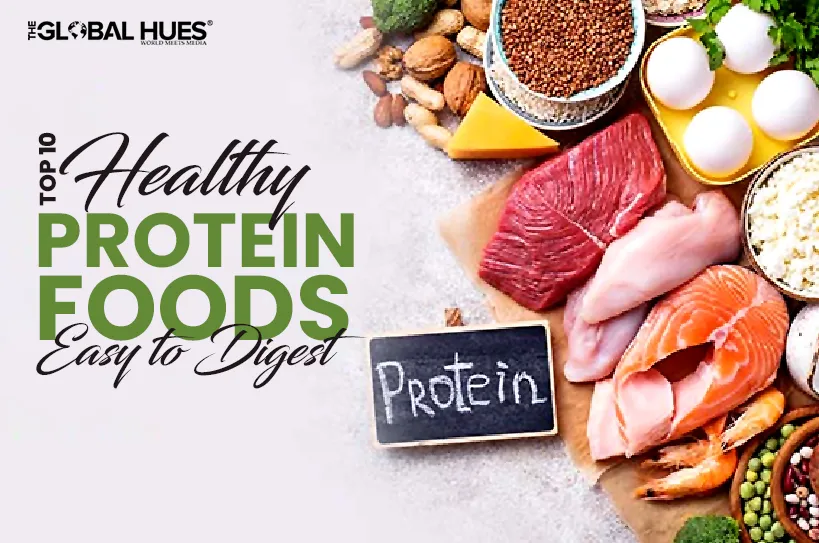
Protein is essential in nutrition for muscle formation, tissue repair, and metabolism. Balanced protein intake in the diet contributes to satiety, weight control, wellness, and the overall metabolic state of the body.
Whether you are a fitness enthusiast or are looking for ways to energise yourself throughout the day, high-protein foods are essential additions to your daily diet. Here are 10 high-protein foods to add to your daily meals, including both animal and plant options.
1. Eggs
One of the most economical and complete sources of protein is eggs. One large egg contains roughly 6.3 grams of protein, along with all nine essential amino acids, which aid in muscle repair and overall health. Eggs can be consumed in various ways: boiled, poached, scrambled, as an omelette, or in a frittata. Moreover, eggs consist of healthy fats, vitamin D, and antioxidants like choline and lutein.
Key Benefits:
- Provides complete protein
- Supports muscle and brain health
- Affordable and versatile
2. Chicken Breast
Skinless chicken breast is a rich source of lean protein that contains approximately 31 grams per 100-gram serving. Its versatility means that it can be grilled, baked, stir-fried, or air-fried. Moreover, it is low in fat. Chicken breast protein helps build muscle, assists in supporting weight loss, and increases satiety. In addition, the meat is rich in niacin and selenium, which are vital for metabolism and immunity.
Key Benefits:
- Lean and high in protein
- Helps build muscle mass
- Low in fat and calories
3. Greek Yogurt
With up to 20 grams in 7 ounces (200g) of Greek yogurt, it contains almost twice the protein of regular yogurt. Moreover, it is high in calcium, probiotics, and B12, which are vital for bone and energy, hence improving gut health. Greek yogurt can be consumed as a main dish, appetiser, or dessert and can be used as a topping. Adding fruits, nuts, or honey can increase the nutritional value of Greek yogurt without adding a lot of empty calories.
Key Benefits:
- High in protein and calcium
- Boosts digestive health
- Keeps you satisfied longer
4. Lentils
Lentils are another powerful plant-based protein ingredient, with about 9 grams of protein per 100 grams when cooked. They also contain a considerable amount of iron, potassium, fiber, and antioxidants. These legumes are extremely versatile and can be easily prepared, adding them to soups, curries, salads, or rice dishes. For vegan and vegetarian diets, lentils are great because they are low in fat. They effectively help in the regulation of blood sugar levels and are gentle on the heart.
Key Benefits:
- Plant-based protein and fiber
- Supports heart and gut health
- Helps in blood sugar control
5. Cottage Cheese
Cottage cheese is well known for its high casein content, which is a slow-digesting protein known to help preserve muscle mass throughout the day and while sleeping. A full cup of cottage cheese contains approximately 28 grams of protein, making it a perfect ingredient for snacks or post-workout meals. It also boasts high levels of calcium, selenium, and vitamin B12 and is delicious with fruit, salad, or even just a dash of spice.
Key Benefits:
- High-protein, low-fat option
- Supports muscle and bone health
- Great for weight management
6. Fish (Salmon, Tuna, Cod)
Salmon, tuna, and cod are varieties of fatty and lean fish that are considered to be extraordinary sources of protein. A 100-gram portion of salmon comes with approximately 20–25 grams of protein and beneficial omega-3 fats that take care of the heart and brain. Fish is endowed with Vitamin D, selenium, and B12. It is easy to prepare, delicious, and part of many diet plans, including weight loss programs.
Key Benefits:
- High in protein and omega-3s
- Supports heart and brain health
- Low in saturated fat
7. Almonds
Almonds are an excellent source of plant-based protein that is obtained from plants. Apart from protein, they also contain fiber, healthy fats, magnesium and vitamin E. One ounce or approximately 23 almonds will provide 6 grams of protein and a long-lasting feeling of fullness. They are excellent snacks and can be added to oatmeal and yogurt. Moreover, almonds help control blood glucose and cholesterol, making them a suitable snack that is good for the heart.
Key Benefits:
- Provides plant-based protein
- Supports heart health
- Great for snacking or topping
8. Quinoa
Quinoa is different from other grains in the sense that it is gluten-free and contains all nine amino acids which are required for any human growth and development. After cooking Quinoa, one average cup contains about 8 grams of protein along with magnesium, iron, and fiber. In comparison to other grains, Quinoa is light and easy to consume alongside salads and bowls or as a side dish. It becomes even handier for vegetarians looking for supplemental protein.
Key Benefits:
- Complete protein for vegetarians
- High in fiber and minerals
- Naturally gluten-free
9. Tofu
Tofu is another gluten-free source of protein. It is made out of soybeans and is frequently used in vegetarian meals. 3.5 ounces of Tofu contains approximately 9 grams of protein and various other nutrients such as calcium, iron, and all the essential amino acids one needs. For people on a low-carb diet, it will be a wonderful addition due to its affordable cost and high density in protein. Tofu is highly absorbent of flavor, which makes it suitable for various dishes like stir-fry, curry, grilled dishes, and even salads.
Key Benefits:
- Excellent vegetarian protein
- Contains essential minerals
- Adapts to many cuisines
10. Lean Beef
Tenderloin and sirloin are good sources of protein, with 26 grams per 100 grams of weight. They also provide iron, zinc, and vitamin B12, which are important for energy and forming red blood cells. Leaner cuts of meat contain less saturated fat, which is beneficial. When eaten in moderation and prepared healthily, beef is a great protein source.
Key Benefits:
- High in protein and iron
- Supports muscle and energy levels
- Great for balanced diets
Conclusion
Eating high-protein foods regularly is one of the best ways to enhance muscle growth, conserve energy, and control one’s appetite. Whether animal-based, like eggs and chicken, or plant-based, like lentils and tofu, there is plenty to choose from for every eater. Enjoy these nutritious offerings to provide the body with the right fuel to feel full longer while staying strong and balanced.
FAQs
1. How much protein do I need daily?
An average adult ought to consume approximately 0.8 grams of protein for every kilogram of their body mass, though more active individuals may require more.
2. Are plant-based proteins as effective as animal-based ones?
Plant proteins can be as effective as animal proteins if they are properly combined, as in the case of quinoa or tofu.
3. Can high-protein foods help with weight loss?
Yes. Research shows that high-protein diets enhance satiety and support weight loss. High-protein foods improve satiety and decrease hunger pains, aiding in managing your weight.
4. What’s the best protein source for vegetarians?
Tofu, Greek yogurt, lentils, cottage cheese, and quinoa are excellent vegetarian sources of protein.
5. Is it okay to consume protein at every meal?
Yes, in fact, spreading protein intake throughout the day aids muscle recovery and energy levels.
Must Read:
- Top 10 Healthy Breakfast Recipes: Easy to Make
- Flexibility at Its Best: Why Readers of Every Age Love E-Libraries
- Top 10 E-Readers: Make Your Reading Sessions Enjoyable